REVIEW · NAIROBI
7 Days Masai Mara, Lake Naivasha, Nakuru, Amboseli
Book on Viator →Operated by Pride of Africa Adventures and Safaris · Bookable on Viator
One step into the bush and you get that Kenya feeling. This 7-day safari circuit is built around big cat country in Masai Mara plus lake-and-rhino contrast in Naivasha and Nakuru, with an end stretch in Amboseli where Kilimanjaro shows up when the skies play nice. I especially like the open-roof 4×4 safari van for top-view animal sightings and the camp setup at Masai Mara Miti Mingi. The only real drawback is the pace: early starts, long drives, and late-evening game time can add up fast.
You’re not just doing “a few drives.” You’re doing a full rhythm: dawn hunts, midday breaks with packed lunches, and evenings geared to make the most of daylight. If you want variety without turning the trip into a daily travel marathon, this route is one of the better-balanced ways to cover multiple ecosystems in one week.
That said, I’ll be honest about risk management: most feedback is positive about comfort and organization, but there are also a couple of extremely negative notes about trust and plan changes. If you book, get everything confirmed clearly in writing—especially that your trip stays private as advertised.
In This Review
- Key things that make this safari click
- How the 7-day Kenya circuit keeps your days moving
- Masai Mara at Miti Mingi: the classic first hit of safari
- Lake Naivasha: boat time, birding, and a human stop
- Hell’s Gate to Lake Nakuru: birds, flamingos, and rhino country
- Amboseli and Kilimanjaro views: when the timing hits
- Observation Hill day: full-day focus for predators and elephants
- Comfort, meals, and camp life without the guesswork
- Vehicle, driver/guide, and entrance fees: what’s included means on safari
- Price and value: is $1,979.46 per person worth it?
- Who this safari fits best (and who should choose differently)
- Should you book this 7-day Masai Mara–Naivasha–Nakuru–Amboseli safari?
- FAQ
- Which parks and activities are included in the 7-day safari?
- What meals are included?
- Is pickup from Nairobi or the airport included?
- What kind of vehicle is used for game drives?
- Are park entrance fees included in the price?
- Do you do anything besides vehicle game drives?
- How early do game drives start?
- Is this tour private or shared?
- What’s the cancellation refund rule?
Key things that make this safari click
- Open-roof 4×4 transport with a game-viewing hatch and UHF radio for smoother game-driving communication
- Masai Mara with two different styles of days: a late-afternoon arrival drive and a full-day hunt with a Mara River lunch stop
- Lake Naivasha boat trip plus a Maasai village visit for cultural time, not just wildlife
- Hell’s Gate paired with Lake Nakuru so you get a different setting (walking/cycling park style) before rhino and flamingo country
- Amboseli timing for Kilimanjaro views and an extra day focused on Observation Hill and big-elephant chances
How the 7-day Kenya circuit keeps your days moving
This route is smart because it doesn’t just repeat the same scenery. You start in the Maasai Mara, then pivot to Naivasha’s lake world, switch again to Nakuru’s birds-and-rhinos area, and finish in Amboseli’s open plains with Kilimanjaro as the background star when conditions allow.
Most mornings begin early. Game drives start at 6:00am as a tour baseline, and the schedule regularly sends you out again for early viewing. On safari, that’s a good thing: animals are usually more active, and the light is kinder for photos.
The tradeoff is that the driving days are real days. You’re spending time on the road between parks, and you’ll feel it most if you’re the type who wants a relaxed schedule every single day. If you’re okay with a packed itinerary in exchange for seeing more Kenya in one week, this one delivers.
A few more Nairobi tours and experiences worth a look
Masai Mara at Miti Mingi: the classic first hit of safari
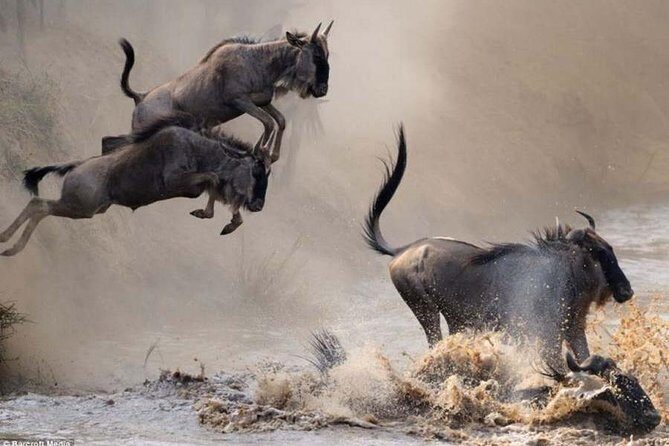
You start with a jump straight into Maasai Mara from Nairobi after breakfast. The drive includes a stop at a viewing point for the Rift Valley escarpment, then continues through Narok and on to your camp in time for lunch.
What I like about that first day is the structure. You arrive, eat, and then still get a late-afternoon game drive until sunset. That’s a smart way to settle in—no “sit around and wait” feeling after a long day of travel.
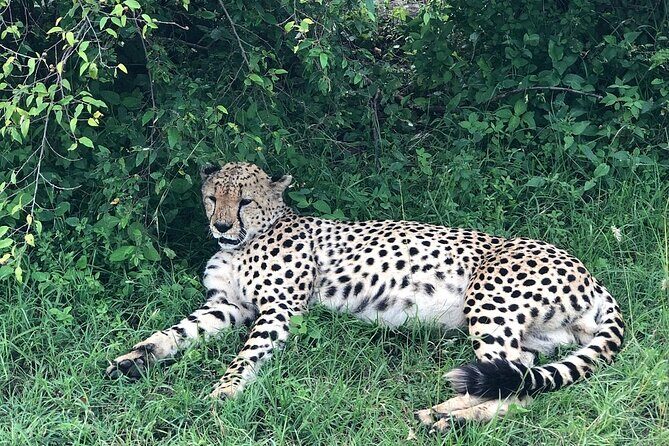
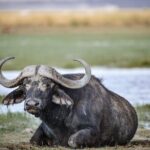
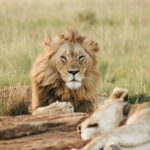
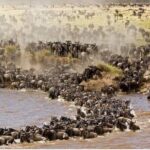
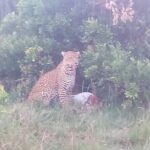
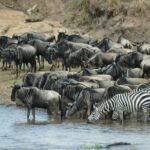
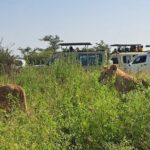
On Day 2, you switch to a full-day Mara outing with a packed lunch. The plan is built around the Big Five and predators—elephant, leopard, rhino, buffalo, lion—plus zebra, wildebeest, giraffe, hippo, crocodile, and the usual predator network. It also includes a stop at the Mara River migration point for lunch time, though the schedule notes you won’t see migration happening there. That matters because it sets expectations: you’re going there for the Mara River area and the ecosystem feel, not a guaranteed spectacle.
Camp note: you’re staying at Masai Mara Miti Mingi Tented Camp for the Mara portion, in double rooms. If you like the classic “tented safari” vibe without giving up comfort, this is the style to choose.
Lake Naivasha: boat time, birding, and a human stop
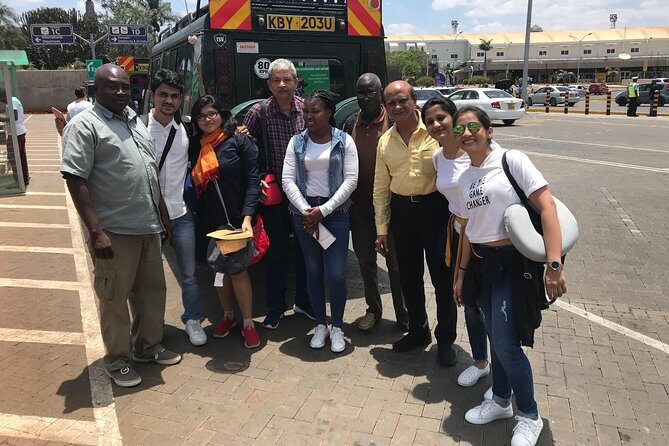
Naivasha shifts your safari mood. The plan starts with an early morning game drive up to about 9:30am, then it’s back for breakfast. After that, you get time to visit a Maasai village before heading to the lake area for lunch.
This mix is valuable because it breaks the day into two parts: wildlife viewing first, then a cultural window. The itinerary clearly includes both, so you’re not stuck doing only drives for the entire trip.
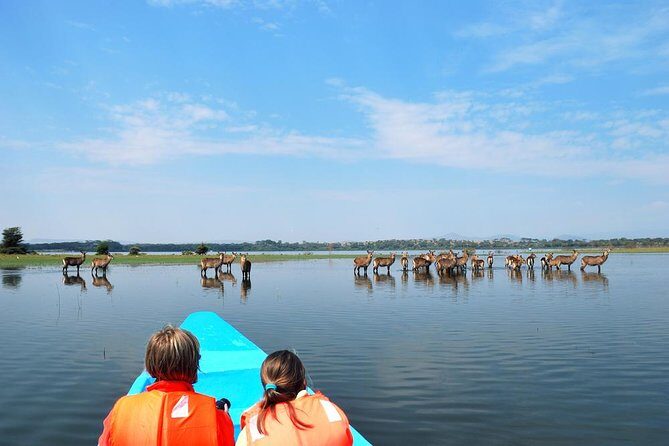
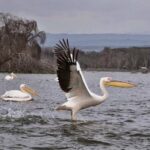
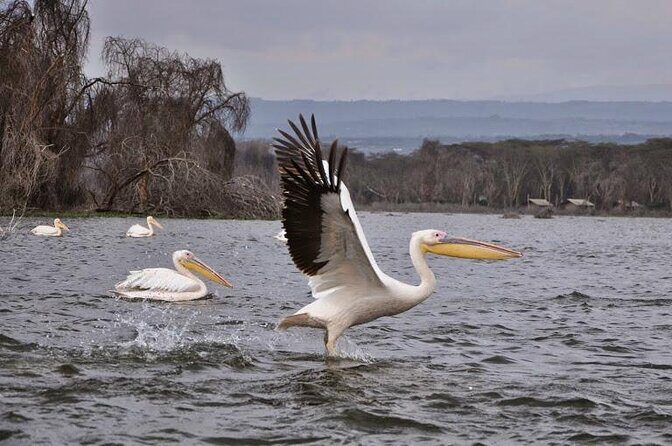
Your main Naivasha highlight is the boat trip in the late afternoon. That’s when you get a better chance at lake animals and the bird scene, including hippos and lots of bird species for photos. It’s also a different perspective than game drive viewing—your “safari eyes” change, and that’s part of why this stop is worth it.
Timing matters here. You arrive late in the afternoon for the boat trip, which keeps the day from dragging, but it does mean you’re not spending all day slow-watching the water. You get focused time instead.
Hell’s Gate to Lake Nakuru: birds, flamingos, and rhino country
Day 4 is where the tour shows variety in how it approaches animals. It starts with an early game drive to Hell’s Gate National Park. Hell’s Gate is noted as the only park where you can cycle, walk, and drive while seeing animals, which is a big deal if you want movement beyond standard vehicle game viewing.
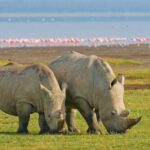
After that, you head back for breakfast and then continue to Lake Nakuru National Park in time for lunch. From there, you do more game driving with leopard in mind, then after lunch the schedule includes a push to seek out the two rhino species found in the park.
Lake Nakuru’s star turn in the plan is the birds, especially thousands of flamingos. Even if you’re not a dedicated birder, flamingos create that immediate “wow” factor because you see them at distance and in big numbers.
The practical consideration is that this day is packed. You’re moving from one park to another with meal breaks woven in. If you get carsick easily, you’ll want to plan for that, because you’re doing more transitions than a slower, single-park itinerary.
Amboseli and Kilimanjaro views: when the timing hits
Amboseli is where you finish with open plains and the Kilimanjaro backdrop. The schedule sends you there after breakfast from the Nakuru area, with a hot lunch at Nairobi mentioned in the route description, and then it’s arrival late in the evening.
That means you might do a late-evening game drive if time allows. I like that choice because it acknowledges reality: you don’t always arrive early enough for a full first-day drive. The upside is you still get a chance to see animals as soon as you can, without forcing a full schedule on arrival day.
Amboseli’s draw in this itinerary is scenery and elephants against that Kilimanjaro feel. The plan also sets you up for a stronger day later.
If you’re booking solely for Kilimanjaro photo perfection, keep expectations flexible. The route clearly treats Kilimanjaro as a famous backdrop, but it doesn’t promise clear views every day. You’re going for the chance, not a guarantee.
Observation Hill day: full-day focus for predators and elephants
Day 6 is built as the big outdoors day after the Amboseli arrival. It begins with an early start around 6:30am, then you head out with a packed lunch for a full day game drive.
The itinerary emphasizes predators and their “opponents,” including zebra and wildebeest, plus giraffe and hippo, and it calls out big elephants with a view of Mt Kilimanjaro. That’s a tight cluster of what most people want: large-animal sightings, plus a landscape-setting view when skies cooperate.
A full day drive is also how you increase your odds. Safari isn’t a theme-park schedule; it’s animal encounters plus roads plus luck. More hours out in the park gives your guide and driver room to chase sightings and adjust when the bush provides something good.
Comfort, meals, and camp life without the guesswork
This is described as full board accommodation, with breakfast, lunch, and dinner arranged across the days. The meal plan is explicit in the format: B=Breakfast (6), L=Lunch (7), D=Dinner (6). In practice, you’ll be eating at camp or during scheduled stops rather than spending time searching for food.
You’re also in double rooms at the camps. That matters because safari tenting varies widely from place to place, but here the setup is presented as camp accommodation rather than basic road-house lodging.
Across the positive notes, comfort and smooth organization show up again and again, including mentions of very comfortable accommodations and good culinary. One family-style review also praises the variety and care, which fits the feeling of a full-board trip where you don’t need to constantly manage meals.
The practical drawback is simple: because you’re on the move, you can’t treat this like a sleep-in vacation. If early starts and packed days sound exhausting, you might find the schedule wearing after a couple of days—especially once you’re past Mara and into the longer park-to-park legs.
Vehicle, driver/guide, and entrance fees: what’s included means on safari
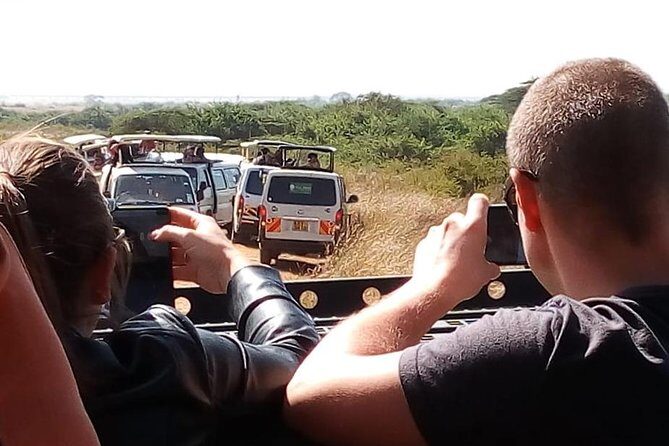
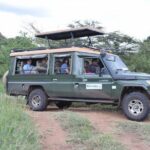
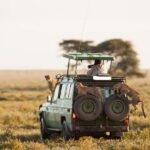
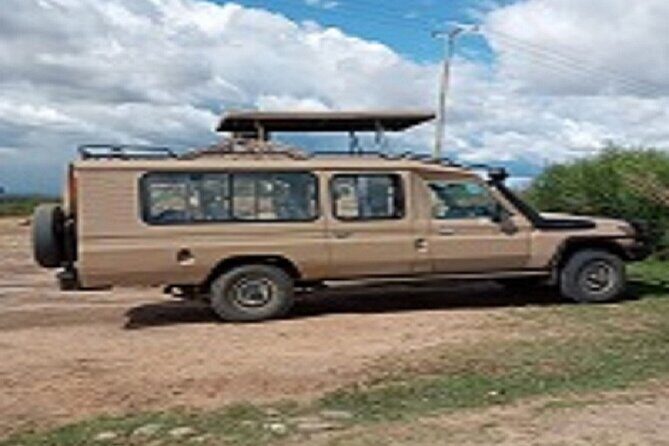
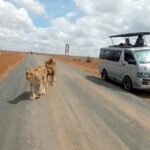
This tour is set up around a private safari experience with a safari 4×4 tour van featuring an open roof plus a game viewing roof hatch for animal spotting. You’ll also travel with UHF radio, which is a real operational detail that usually helps when vehicles need to coordinate sightings.
The itinerary also includes all park entrance fees with government taxes and the service of an English-speaking professional driver/guide. That’s important value. Park fees can add up quickly, and having them handled keeps your budget predictable.
The trip also includes water and recommends mineral water while on safari. Tips are not included, which means you should budget for that separately if you follow local custom and your own travel style.
One more included item that makes the experience feel smoother: airport pickup is part of what’s offered. That’s not glamorous, but it matters after a flight.
Price and value: is $1,979.46 per person worth it?
At $1,979.46 per person for about 7 days, the main question isn’t the headline cost. It’s whether you’re getting the right mix of inclusions for what you’d otherwise pay yourself.
Here, you get full-board meals, park entrance fees, private transportation, and game drives on the schedule. For a Kenya safari, those bundled costs can make a big difference. If you were booking each piece separately, you’d spend time negotiating vehicles, camps, and the park paperwork.
The schedule is also efficient. You cover four major areas—Masai Mara, Lake Naivasha, Nakuru, and Amboseli—without adding extra days just to move around. That’s where the value comes from: time on safari instead of time spent figuring out logistics.
Still, I want to flag the one thing you should not ignore: a few reviews are brutally negative about trust and plan changes. Even though the tour is presented as private, I’ve seen enough to recommend a careful confirmation checklist. Ask for written confirmation on what camp you’ll sleep in, whether all activities happen as described, and what your group setup will be during the trip.
If the operator confirms cleanly, this price can feel reasonable for the scope. If they’re vague or inconsistent, you’re better off walking away.
Who this safari fits best (and who should choose differently)
This route suits you if you want to see major ecosystems in one week: Mara’s predator energy, Naivasha’s lake life, Nakuru’s birds and rhinos, and Amboseli’s elephant plains with Kilimanjaro in the background.
It’s also a good fit if you like structure. The days have clear blocks: morning game drive, lunch timing, then either more drives or a specific activity like a boat trip.
I’d be more cautious if:
- you hate early mornings and long drives
- you need a totally relaxed schedule (this itinerary moves)
- you’re sensitive to organizational surprises—because while most feedback is positive, there are a few very serious negative notes you should treat as a warning sign
One interesting detail from the positive feedback: people mention feeling well taken care of and describe the operator as responsive in communication (including a named contact, Steven/Steve, who answers quickly). That kind of responsiveness can matter a lot when you’re coordinating a safari.
Should you book this 7-day Masai Mara–Naivasha–Nakuru–Amboseli safari?
I’d book it if you want a well-packed Kenya highlight run and you’re comfortable trading “slow vacation” for “more wildlife variety.” The strongest reasons are the included park fees, the open-roof vehicle setup, and the mix of classic drives plus Naivasha boat time and a Maasai village stop.
But don’t book on vibes alone. Do a quick confirmation sweep before you pay:
- confirm your private setup matches what’s advertised
- confirm camp names and your activity inclusions (boat trip and village visit are part of the plan)
- ask for a final written day-by-day outline so nothing feels changed on arrival
If you get clear answers, this looks like a solid value way to hit four safari regions in seven days with full-board convenience.
FAQ
Which parks and activities are included in the 7-day safari?
You visit Maasai Mara National Reserve, Lake Naivasha, Lake Nakuru National Park, and Amboseli National Park. The trip also includes a boat trip on Lake Naivasha and a visit to a Maasai village, plus time at Hell’s Gate National Park.
What meals are included?
The tour is full board with breakfasts, lunches, and dinners included based on the meal plan described as B=6, L=7, and D=6.
Is pickup from Nairobi or the airport included?
Yes. Pickup is offered, and airport pick up is included as part of the experience.
What kind of vehicle is used for game drives?
You travel in a private safari 4×4 tour van with an open roof, a game viewing roof hatch, and UHF radio.
Are park entrance fees included in the price?
Yes. Park entrance fees are included and stated to include government taxes and the service of an English-speaking professional driver/guide.
Do you do anything besides vehicle game drives?
Yes. You’ll visit a Maasai village and you’ll take a boat trip on Lake Naivasha. The route also includes Hell’s Gate National Park, which is described as a park where one can cycle, walk, and drive while seeing animals.
How early do game drives start?
The tour start time is listed as 6:00am, and some days specify early departures such as 7:30am and 6:30am depending on the day.
Is this tour private or shared?
It’s listed as a private tour/activity, meaning only your group participates.
What’s the cancellation refund rule?
You can cancel up to 6 days in advance of the experience for a full refund. Cancel 2–6 full days before for a 50% refund, and less than 2 full days before the experience start time is not refunded.