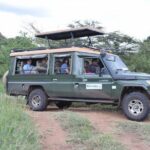
Three parks, one tight wildlife route. That combo is what makes this 7-day Nairobi to Amboseli to Maasai Mara circuit so compelling, with Kilimanjaro skies one day and serious predator country the next. I love the way your days are built around real viewing time, including an afternoon drive on arrival in Amboseli and a full day game drive later. I also like that you’re moving through three very different ecosystems, so you’re not stuck repeating the same scenery. The main drawback to plan for is pace: you’ll spend real hours on the road between parks.
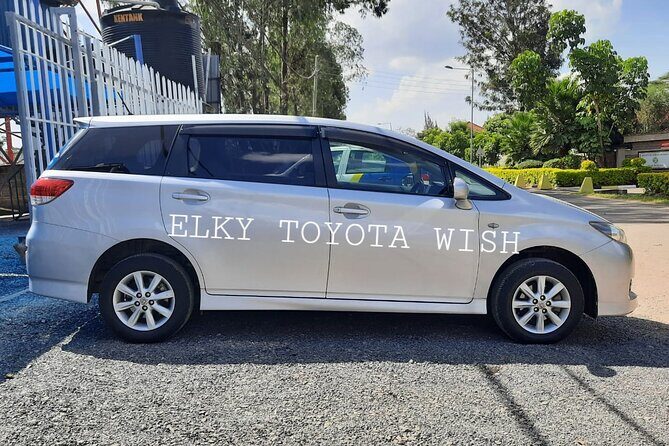
What also improves the trip is the people factor. The safari runs with pickup and a guide/driver handling the logistics, and past guests have highlighted a driver named David for keeping things smooth and effective. One more consideration: animal sightings are never guaranteed, even with good planning, so if your heart is set on a specific sighting, keep expectations flexible and focus on the rhythm of the drives.
This is a private safari for your group, starting at Jomo Kenyatta International Airport in Nairobi, with meals planned throughout and park entry noted in the details. If you want a straightforward big-picture safari that still gives you time to look closely, this route is a strong match.
In This Review
- Key highlights worth prioritizing
- Price and what you’re actually paying for in a 7-day circuit
- How the timing works from Nairobi to Amboseli to the Rift Valley
- Amboseli National Park: Kilimanjaro views and elephant-heavy days
- Full-day Amboseli: five habitats and more chances to spot herds
- Lake Nakuru: Rift Valley viewpoints and birdlife on a whole different scale
- Maasai Mara: where your big cat odds get serious
- Optional hot air balloon in the Mara: worth it if you love the sky view
- Full-day Maasai Mara game drive: the best odds are when you start early
- Coming back to Nairobi: the last drive and a tidy wrap-up
- What’s included, what’s not, and what to pack for real comfort
- Should you book this safari?
- FAQ
- Where does the safari start and end?
- What time does the experience start?
- How long is the safari?
- Is this a private tour?
- What meals are included?
- Are park admission tickets included?
- What happens on the Amboseli days?
- What is included in the Lake Nakuru day?
- Is a hot air balloon ride included?
- Are service animals allowed?
- What is the cancellation rule?
Key highlights worth prioritizing
- Two Amboseli days with one afternoon drive and one full-day drive for better elephant and wildlife chances
- Lake Nakuru bird time with a stop at the Great Rift Valley viewpoint for photos before you reach the lake
- Maasai Mara Big Five focus with multiple game drives and more time when animals are most active
- Optional hot air balloon in the Mara area at an extra cost if you want the classic aerial view
- Private-group feel so the schedule can stay consistent, with pickup arranged from Nairobi
Price and what you’re actually paying for in a 7-day circuit
At $2,700 per person for about a week, you’re paying for a full wildlife “circuit” that links Amboseli, Lake Nakuru, and Maasai Mara—three parks that each have their own wildlife specialties. You’re also paying for the hard parts of safari travel: transfers, park driving, and someone else handling the route so you can focus on the day-to-day experience.
The value here is easiest to see when you look at what’s included. Breakfast, lunch, and dinner are covered, which matters because eating on the road can add up quickly in Kenya. The itinerary also flags admission ticket coverage as free in the package details, meaning you should expect park entry to be handled rather than you paying separate fees at the gate.
What’s not included is also clear: you’re not getting a bicycle option. That’s not a big deal for these parks, since wildlife safaris are about vehicles and game-drive access rather than active transportation.
The one “price reality” to remember: this is a lot of driving across Kenya’s major stops. If you’re sensitive to long days in a vehicle, you may feel the pace more than you expected—even with the convenience of pickup and a guided route. If you’re good with that trade-off, this itinerary gives you strong coverage for a single week.
A few more Nairobi tours and experiences worth a look
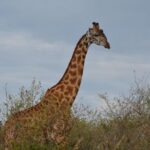
How the timing works from Nairobi to Amboseli to the Rift Valley
This safari starts with pickup in Nairobi from the airport (Jomo Kenyatta International Airport is listed as the start) and includes a briefing. The stated start time is 11:30 am, which usually fits the rhythm of a mid-day departure north. You then travel to Amboseli, check in at your lodge around early afternoon, and move into game-viewing mode quickly.
A key detail is how the days are “sequenced” for viewing. On the first Amboseli day, you’re not left waiting all day—you have time to settle in and then you head out for an afternoon game drive. On the second day, you shift into a full-day drive with a packed-lunch plan. That matters because early mornings and late afternoons tend to be prime hours for animal movement, and the safari design gives you both styles of time.
Once you reach Lake Nakuru, the driving day includes a viewpoint stop at the Great Rift Valley area. That’s a smart timing choice: you get a break for photos before arriving for lunch and then your park game drive.
By the time you reach Maasai Mara, the schedule leans harder into the “watching” side: afternoon drives plus a full-day drive later. In practice, it’s the Mara portion that most often feels like the main event. This itinerary backs that up by giving you multiple Mara days rather than one quick stop.
Amboseli National Park: Kilimanjaro views and elephant-heavy days
Amboseli is the kind of park that makes you understand why people build whole trips around it. It’s right at the foot of Mount Kilimanjaro, and that backdrop changes how wildlife looks. Even when you’re not sure what you’ll spot, the mountain presence adds a sense of scale you don’t get in every savannah reserve.
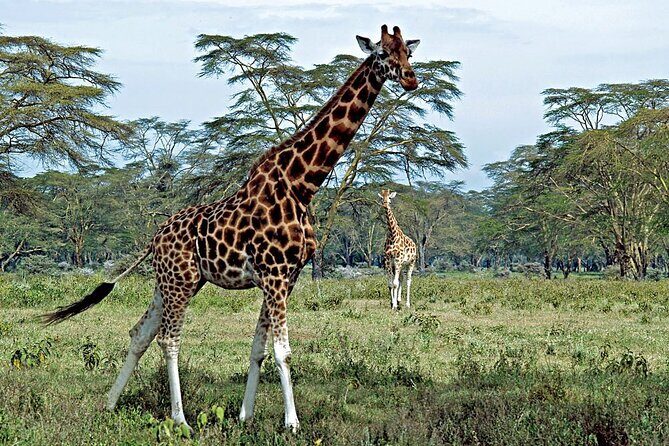
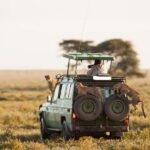
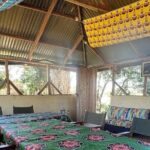
In the first Amboseli day, you arrive, check in to Aa Amboseli Lodge, enjoy lunch, and then go out for an afternoon game drive. This is a good strategy for your first day because you don’t lose your energy to travel fatigue without seeing anything. Your drive is set up for a wide wildlife mix: wild dogs, buffalo, elephants, giraffes, zebras, lions, and even smaller or less common mammals like hyraxes, dik-diks, mongoose, and porcupines at night are listed as potential sightings.
The lodge timing also helps. You return before dark (the details mention returning before 7:30 pm), then dinner and overnight stay. That keeps the day from turning into a late-night blur.
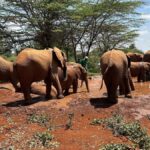
What I like for your planning: Amboseli is described as one of Kenya’s best places to view large elephant herds up close. It also uses a useful clue from Maasai language—Amboseli as salty dust—so you’re mentally prepared for the park’s dry, dusty feel and the way animals use open areas.
A practical consideration: because you’re watching from a vehicle and spending long hours with your eyes on the horizon, bring items that help you stay comfortable—sun protection and something for cool air if you catch mornings later in the week. (This matters most once you’re in Maasai Mara and the schedule pushes early viewing.)
Full-day Amboseli: five habitats and more chances to spot herds
The second Amboseli day is built for a full-day game drive after breakfast, with a packed lunch. This gives you the kind of time most people miss on short itineraries. Instead of one quick sweep, you get multiple “windows” within the day to catch different animal behavior.
This is also where the park variety helps. Amboseli isn’t just one flat type of savannah. It’s described as having five different habitats, including the dried-up bed of Lake Amboseli, wetlands with sulphur springs, savannah, and woodlands. That habitat mix is why the day can feel more productive: different animals may favor different areas, and as you move through habitats the wildlife rhythm tends to change.
For elephant lovers, this is a big win. The details specifically emphasize up-close viewing of large herds, and a full-day drive is simply more time for elephants to show up in your path. You also get better odds for the less predictable sightings listed earlier—things like wild dogs or lions depend heavily on where they are that day, and more time gives you more chances to cross paths.
The only caution I’d flag: full-day drives can be tiring, even with a good driver. You’ll be focused, alert, and on the move. If you want to reduce stress, pack for comfort so you don’t spend energy adjusting clothes, dealing with sunburn, or wishing you had brought a warm layer.
Lake Nakuru: Rift Valley viewpoints and birdlife on a whole different scale
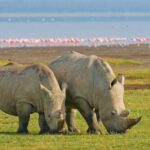
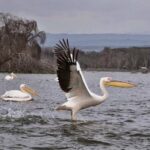
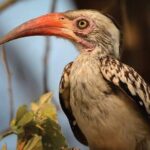
Lake Nakuru National Park adds a different kind of safari “reward.” Instead of focusing mainly on big mammals in open grassland, Nakuru is strongly tied to birds. The details say Lake Nakuru is famous for millions of flamingoes and migrant birds, and it cites up to 425 different bird species in the park.
That’s a big deal if you love nature for its smaller moments. When you shift from savannah to lake edge and wetlands, your attention changes. You start scanning for movement near the water, and you’ll probably notice how the park draws wildlife to food and habitat patterns rather than just open viewing.
The day includes a drive that ascends the eastern wall of the Rift Valley with coffee and tea plantations visible, then includes a short stop-over at the Great Rift Valley viewpoint for photographs. That viewpoint break is a good morale booster, and it’s a practical way to keep the travel day from feeling purely like transit.
You arrive in time for lunch, then head out for a game drive. Big Five sightings are mentioned—lion, rhino, leopard, and cheetah, plus more animals. In other words, Nakuru doesn’t lock you into one interest. You can chase mammals while still enjoying Nakuru’s bird spectacle.
One more planning note: Nakuru is a “contrast day” in the itinerary. Use it as a mental reset from elephants and savannah predators. If you go in expecting the same game-drive style as Amboseli or Mara, you might miss what Nakuru is best at.
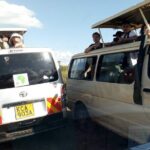
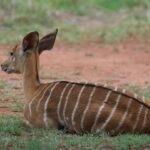

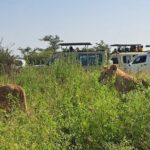

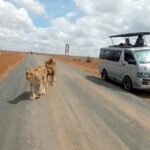
Maasai Mara: where your big cat odds get serious
Maasai Mara is the heart of this route for most people, and the itinerary reflects that with more time and more drives. You’ll travel via a Great Rift Valley viewpoint and then reach the reserve area, with lunch at the lodge/camp and time to relax before an afternoon game drive.
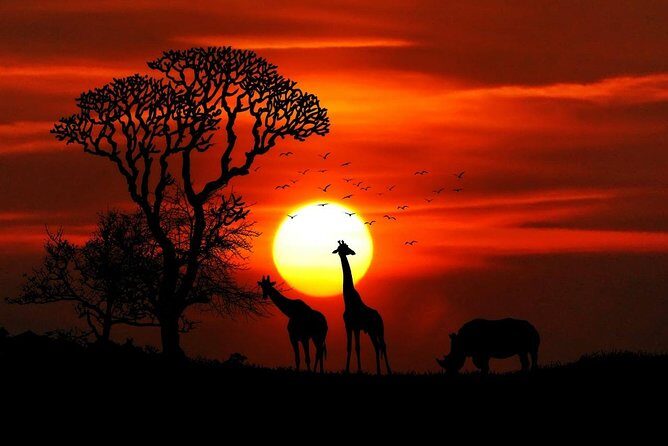
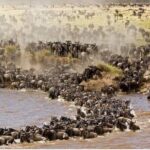
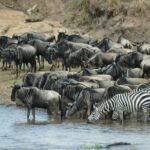
The Mara is described as part of the vast Serengeti plains, and it’s known for the great wildebeest migration. Even if migration timing doesn’t match your dates, the Mara’s core strength remains: it’s prime predator habitat. Big Five species are listed—lion, elephant, buffalo, and rhino—and the park’s broader wildlife list includes giraffe, eland, impala, zebra, and Thomson’s and Grant’s gazelles.
Here’s what that means for you on the ground. The Mara drives tend to feel more intense because predators and prey share space across wide open areas. You spend more time watching behavior: a pause, a stare, a sudden burst of movement. That’s also why the Mara portions can create the most “memory moments” even when sightings are spread out across multiple drives.
Accommodation is listed as Aa Mara Lodge, and the schedule includes returning for dinner after drives. The key value is that you’re given consistent daily structure, so you can keep your energy and focus.
The one consideration: Mara is famous, so it’s natural to expect “big” sightings. But the itinerary can’t guarantee a specific animal on a specific day. Treat your Mara drives as a set of chances, not a checklist.
Optional hot air balloon in the Mara: worth it if you love the sky view
One day in Maasai Mara includes an optional hot air balloon ride for an extra cost. The details describe a sunrise-style ascent when winds are calmer, and the experience is framed as soaring over herds of game into the inner reaches of the Mara.
I like this add-on because it changes the safari senses. On foot or by vehicle, you interpret the land at ground level. From above, you suddenly understand how animals and movement form patterns across the plain. It also tends to give you a different kind of photo—wide views rather than close-ups.
A practical consideration: because it’s optional and extra cost, you should decide early based on your priorities and budget. If you’re already stretching to keep up with your safari focus, the balloon is the one splurge that’s most closely tied to your setting rather than just convenience.
Also, remember that if weather doesn’t cooperate (the itinerary doesn’t say details, so I’m not promising conditions), balloon schedules can change. So don’t treat it as guaranteed no matter how excited you are.
Full-day Maasai Mara game drive: the best odds are when you start early
The final major Mara day is listed as a full-day game drive. It also notes that early hours have lower temperatures, which can be more comfortable for both viewing and animals moving around.
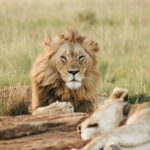
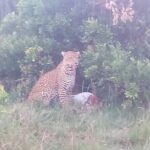
This is often the best window for big cat activity. The details mention lion, cheetah, and leopard roaming in search of their next meal, with the prey focus shifting to impala, warthog, and other smaller animals. That’s exactly the kind of ecosystem logic you want on a day where you’re trying to maximize the chance of meaningful encounters.
Compared with shorter drives, a full day gives you time to “track the story” of the day as animals shift zones and behavior changes with the sun. Even if you don’t get every big cat you hope for, you’ll usually get more varied scenes across the day’s rhythm.
You’ll return to your lodge/camp for dinner and overnight, with the schedule designed around regular meal times and not letting you run late without food.
I’d suggest you plan for comfort: stay hydrated, and dress in layers so you don’t bake or freeze depending on time of day. A full drive day can be long, and discomfort makes you miss subtle movement.
Coming back to Nairobi: the last drive and a tidy wrap-up
On day seven, you have morning breakfast and then check out. You drive back to Nairobi after breakfast, with lunch on the way, arriving in the afternoon at your respective hotel or the airport.
This part matters because it determines how you finish your trip. A clean return day means you can line up your next plan without feeling stranded in limbo. The key is the afternoon arrival window—close enough to keep momentum, not so late that you’re exhausted for an overnight flight.
If you’re connecting to a later international journey, this safari’s timing can help because you’re not arriving at the very last minute. If you have a tight next-day plan, you’ll still want to confirm travel time with your operator, since day-of traffic can shift.
What’s included, what’s not, and what to pack for real comfort
Here’s the practical side, based on what the package explicitly lists:
Included in the experience
- Breakfast
- Lunch
- Dinner
Also part of the package details
- Pickup service
- Mobile ticket
- Park admission listed as free in the experience details
- Private tour/activity for your group
Not included
- Use of bicycle
Quick packing advice that fits this route
- Sun protection (Mara and savannah driving can be intense)
- A light layer for cooler early starts
- Something to protect electronics and keep them handy for photos
- Snacks if you’re the type who gets hungry between lunch and game drive (not listed as included beyond the planned meals)
One more comfort tip: because you’ll be spending lots of time seated and scanning for animals, don’t underestimate small items like comfortable footwear and a hat. It’s not glamorous, but it makes a difference.
Should you book this safari?
Book this safari if you want a classic Kenya combo with strong coverage across Amboseli, Lake Nakuru, and Maasai Mara in just a week—and you like the idea of multiple game drives rather than a single highlight day. The pricing can feel reasonable once you factor in meals and the fact that the route does the hard work for you: pickup, driving, and time in the parks.
I’d think twice if you hate long road stretches or you’re easily worn down by full-day vehicle time. This itinerary is built for viewing, not slow travel. Also, if you’re only satisfied by one specific animal sighting, keep your expectations flexible. You can stack your odds, but Kenya wildlife still runs on its own schedule.
If you go in ready for a busy but very rewarding week, this circuit is one of the more sensible ways to experience Kenya’s major wildlife “moods.”
FAQ
Where does the safari start and end?
It starts at Jomo Kenyatta International Airport in Nairobi, Kenya. The experience ends back at the meeting point.
What time does the experience start?
The listed start time is 11:30 am.
How long is the safari?
The duration is approximately 7 days.
Is this a private tour?
Yes. It’s listed as a private tour/activity, meaning only your group will participate.
What meals are included?
Breakfast, lunch, and dinner are included.
Are park admission tickets included?
The experience details list admission ticket as free.
What happens on the Amboseli days?
You have an arrival afternoon game drive in Amboseli, then a second day with a full-day game drive, with packed lunch planned.
What is included in the Lake Nakuru day?
You’ll have a viewpoint stop at the Great Rift Valley area for photos, arrive for lunch, then enjoy a game drive in Lake Nakuru.
Is a hot air balloon ride included?
A hot air balloon ride in the Maasai Mara is described as possible for an extra cost.
Are service animals allowed?
Yes, service animals are allowed.
What is the cancellation rule?
Free cancellation is offered up to 24 hours in advance of the experience’s start time for a full refund.