REVIEW · NAIROBI
6 Day Maasai Mara, Lake Nakuru, Amboseli National Park
Book on Viator →Operated by Silver Spark Africa Safaris · Bookable on Viator
A big safari in just six days is the deal. You get Amboseli for Kilimanjaro-and-elephants moments, then Maasai Mara for serious wildlife time, with a private setup that feels personal. The main trade-off: it is a fast route, so expect long drives and a schedule that leaves little room for slow mornings.
I like the way this trip mixes famous sights with practical timing: you get an afternoon game drive in Mara to settle in, then a full day the next day to chase predators and the Big Five. I also like that the itinerary repeatedly flags picnic lunch on the move, which matters when you are crossing parks at peak safari hours. One small consideration: breakfast is included, but other meals are not listed as included, so you’ll want to plan around that.
The service side also looks strong. Feedback I saw highlights on-time handling and calm problem-solving when flights run late, plus highly experienced guides and good planning, including named guide Jeremiah and drivers Peter and David. I’ll flag one more thing: park rules and animal activity can shift day to day, so you should stay flexible when you’re hoping for the perfect sighting at the perfect moment.
In This Review
- Key Highlights You’ll Actually Notice
- Six Days Hitting Amboseli, Lake Nakuru, and Maasai Mara
- Amboseli National Park: Elephants, Observation Hill, and Kilimanjaro Views (Days 1–2)
- Day 2 is where the safari really pays off
- Lake Nakuru National Park: Flamingo Chances and a Rift Valley Rhythm (Day 3)
- Maasai Mara National Reserve: First Look on Day 4, Full-Force Game Drive on Day 5 (Days 4–5)
- Day 4: the afternoon drive that helps you adjust
- Day 5: full-day game drive for Big Five chances
- Nairobi Ending: A Smooth Return After Your Wildlife Loop (Day 6)
- Price and Value: What $1,700 Buys You (and What It Doesn’t)
- Why this can be good value
- The Guide and Driver Factor: Why Planning Quality Matters
- What to Pack and How to Prepare (So You Enjoy Every Drive)
- Who This Safari Fits Best
- Should You Book This 6-Day Maasai Mara, Lake Nakuru, Amboseli Safari?
- FAQ
- Where does the safari start and end?
- Is pickup offered?
- Is this a private tour?
- How many days is the safari?
- What meals are included?
- Are park admission tickets included?
- What accommodations are included?
- Is a hot-air balloon ride included?
- What happens if plans change due to weather?
- Can I cancel for a full refund?
Key Highlights You’ll Actually Notice
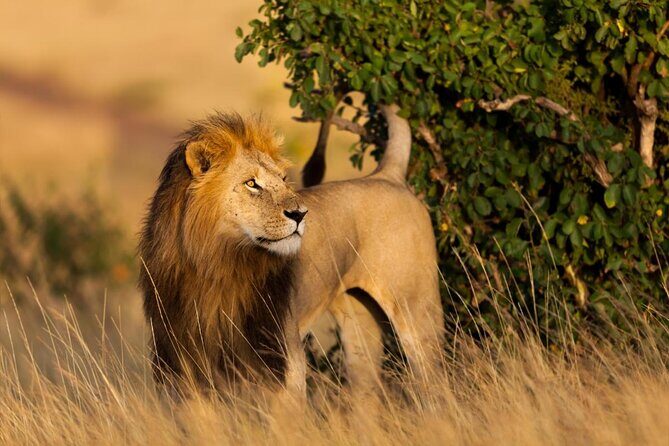
- Kilimanjaro-framed elephants in Amboseli from the Observation Hill area and wide open plains
- Two full days in Amboseli so you’re not relying on luck for the best herds and sightings
- Lake Nakuru’s bird focus, especially pelicans and flamingos when conditions are favorable
- Maasai Mara’s Great Migration season window (July–October) if you travel during peak timing
- Private tour flow where your group is the only group moving through the parks
- Good support when flights delay, including firsthand reports of drivers waiting at JKIA
Six Days Hitting Amboseli, Lake Nakuru, and Maasai Mara
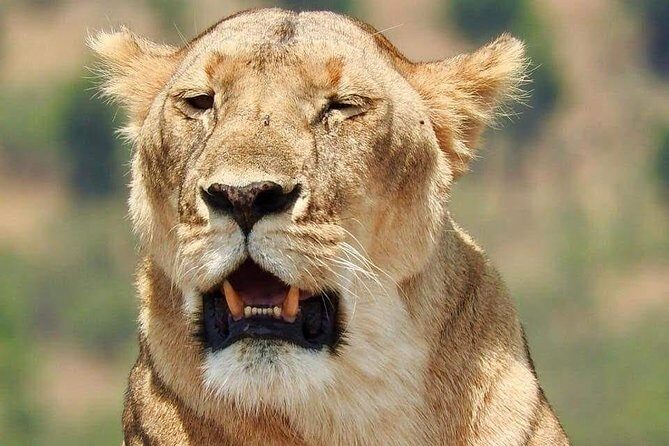
This is a classic Kenya route with a clear logic: start with big-elephant country in Amboseli, switch gears to the Rift Valley bird magnet of Lake Nakuru, then end with Maasai Mara, where predators and the Big Five are the headline act.
The value here is not just that you see three destinations. It’s that you get repeat time in the right place. Two days in Amboseli gives you a better shot at the “wow” views that make people stop talking mid-game-drive.
And because it’s a private tour, the pace feels more like you’re on your own safari timeline than a slot in a group churn. You’ll still be in a vehicle most of the day—this is safari travel—but you’re not battling for space with other unknown groups.
A few more Nairobi tours and experiences worth a look
Amboseli National Park: Elephants, Observation Hill, and Kilimanjaro Views (Days 1–2)
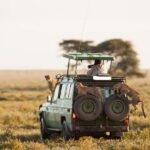
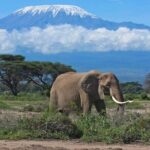
Amboseli is one of those places where the scenery and wildlife feed each other. On day one, you drive south from Nairobi through Masai country, then you get your picnic lunch with Mount Kilimanjaro in the background—when the sky cooperates, this is the kind of setting that makes photos look like they were edited.
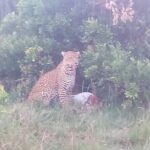
Then you’re in the park for that first game-drive window. You’ll likely see a mix of the icons: lion, elephant, leopard, plus plenty of plains animals. Amboseli is especially known for large elephant herds, and the park’s view points—especially the Observation Hill area—are built for wide panoramas. That matters because elephants tend to move in patterns, and hills or elevated lookouts help you catch them when they’re positioned for the best sightlines.
Day 2 is where the safari really pays off
Day two is another full day in Amboseli with your picnic lunch. This repetition is smart. If your first day is cloudy or the elephants are deeper into the park, the second day gives you a second chance at the kinds of herds and angles that make Amboseli famous.
Amboseli also stacks wildlife and birdlife. The park is home to a long list of species (including buffalo, impala, lions, zebras, and wildebeest), and it’s an important bird area with over 400 bird species mentioned in the program notes. If you’re the type who notices birds while you wait for a lion to appear, you’ll find plenty to keep you busy.
Possible drawback: two days in one park can feel intense if you’re chasing variety nonstop. But for most people, it’s the exact opposite problem—Amboseli is hard to leave, and the extra day increases your odds of a standout sighting.
Lake Nakuru National Park: Flamingo Chances and a Rift Valley Rhythm (Day 3)
After breakfast, the drive goes from Amboseli back toward Nairobi and then on to Lake Nakuru. You arrive in the afternoon, which is a good compromise: you’re not pushing the full day into a single drive, and you still get time to settle into the Lake Nakuru area.
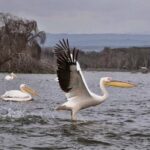
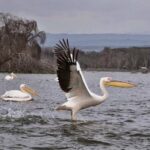
Lake Nakuru’s big selling point is simple: it’s a shallow lake with standout birdlife. The program specifically calls out pelicans and flamingos, and notes that conditions can become favorable, with flamingos moving back from Rift Valley lakes. That’s the key idea—your flamingo success is not guaranteed on the calendar, but you’re going to be in the right place when conditions line up.
This day is also a timing change. Lake Nakuru tends to reward patient scanning: you look for motion on the water and the shoreline rather than expecting everything to appear in one big dramatic moment. It’s a nice break from the wide-open “track predators” feeling of Mara and Amboseli.
Where you stay: Hotel Wagon Wheel is the named accommodation for this night. Having a stable overnight base after a longer drive helps you manage energy for the next stretch.
Possible drawback: since the itinerary only states arrival in the afternoon, this is not the most extended day in the program. If flamingos are your number-one goal, you might feel the pressure of making the most of that arrival window and onward timing.
Maasai Mara National Reserve: First Look on Day 4, Full-Force Game Drive on Day 5 (Days 4–5)
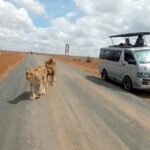
Maasai Mara is where most safari wish lists go to meet reality. You transfer via Narok town, then head into the reserve for an afternoon game drive.
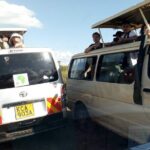
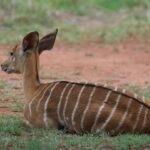
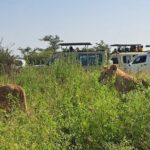
Day 4: the afternoon drive that helps you adjust
That first drive on day four is more than a warm-up. When you arrive, you’re still learning the rhythms of the reserve—where animals concentrate, how the drivers work the terrain, and how sightings pop in short bursts. An afternoon slot gives you the benefit of seeing something immediately without burning a full day before you’ve settled in.
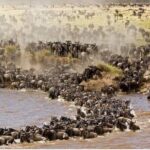
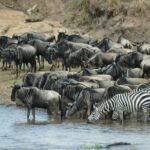
The program also frames Maasai Mara as part of the larger Mara–Serengeti ecosystem, with the Great Migration potential. It calls out 1.5 million wildebeests entering from July through October. If your travel dates fall in that window, the odds of migration-linked sightings are generally stronger, and the Mara vibe shifts from wildlife-viewing to full-scale drama.
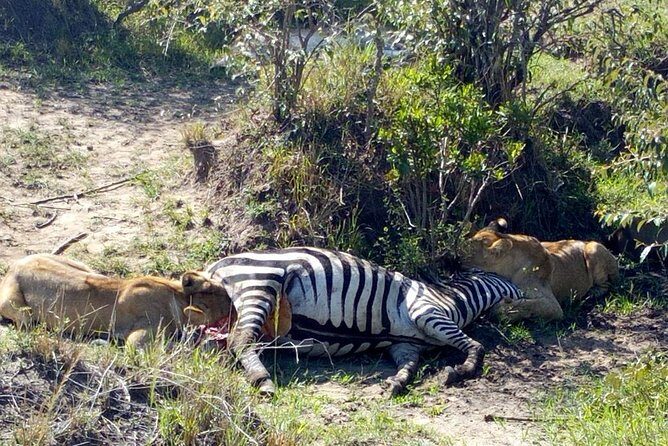
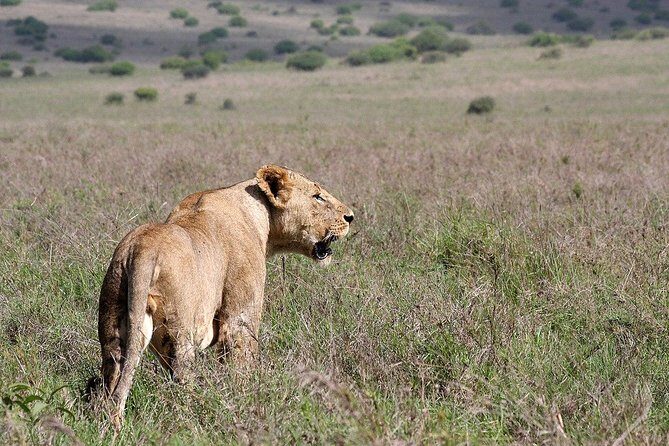
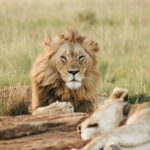
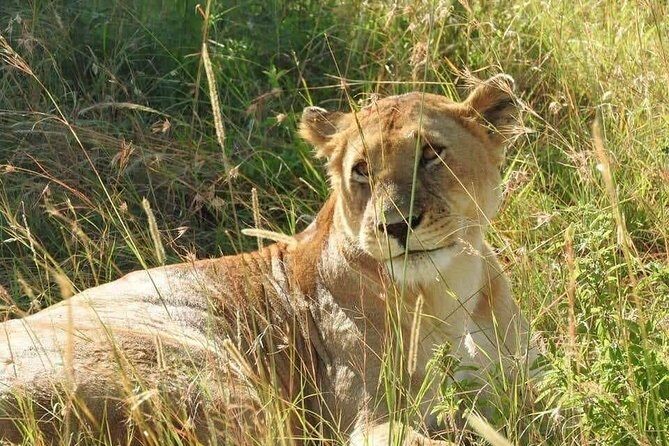
Even outside migration season, Mara is still prime predator territory. The itinerary notes that the reserve has predator species and a wide variety of plains animals—exactly what you need if your goal is Big Five odds rather than one specific species.
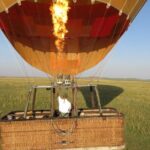
Optional extra: it mentions hot-air balloon adventures at sunrise at extra cost. Nothing about that is bundled into the main tour price, so treat it as an add-on you decide on separately.
Day 5: full-day game drive for Big Five chances
Day five is the big hunt: breakfast, then you head out for a full-day game drive with picnic lunch. The reserve is described as covering about 580 square miles (1,510 sq km), with rivers like Sand River, Talek River, and Mara River draining the area. Those river systems matter because animals often anchor near water, especially when temperatures climb.
The notes also point out a helpful detail for understanding how the reserve functions: it’s divided into inner wilderness and outer areas where Masai cattle graze. That can affect how you see animals moving and where you spend time. A good guide will use that knowledge to position you where the action is most likely to show up.
Where you stay: Aa Lodge Mara is named for this stop. Having a named lodge matters because it gives you a sense of what kind of “base” you’ll return to after a long day on safari.
Possible drawback: a full day game drive can be physically demanding. If you’re sensitive to long sitting time or you get motion sickness, pack for it and build hydration habits early.
Nairobi Ending: A Smooth Return After Your Wildlife Loop (Day 6)
On day six, you have morning breakfast and then you drive back to Nairobi. The program says you’ll check out and be driven to Nairobi, arriving late afternoon to your respective hotel or the airport.
This is the kind of final day that helps you avoid stress about logistics. You’re not ending at random; you’re ending back in Nairobi, where transport connections are easier.
Meeting point note: the tour starts at Jomo Kenyatta International Airport in Nairobi and ends back at the meeting point area. If you’re flying out, build in extra time for Nairobi traffic. Even when the itinerary is smooth, the city road situation can still add unpredictability.
Price and Value: What $1,700 Buys You (and What It Doesn’t)
At $1,700 per person for an approximately six-day private safari, you’re paying for three things: park time, vehicle-and-driver coverage, and a structured route that reduces backtracking.
Here’s how the inclusions read in practical terms:
- Breakfast is included for six days (so you start each safari day fueled).
- Admission is flagged as free in the day-by-day program notes for the park stops.
- Pickup is offered, and it’s tied to JKIA as the start point.
- Picnic lunch is referenced during travel and safari days.
What you should not assume:
- Dinner and many other meals are not listed as included.
- Extra activities like a balloon ride are mentioned as available at extra cost.
- Use of a bicycle is listed as not included (so don’t expect any biking options as part of the plan).
Why this can be good value
The best “value” clue is the time allocation: two days in Amboseli and two in Maasai Mara is a serious investment of days into the places people come for. If you were doing this as a super-fast whirlwind, you’d likely miss the second chance that often turns a decent day into an unforgettable one.
Also, feedback highlights strong guide quality and solid planning. Named support like Jeremiah and drivers Peter and David show up in the stories, and the recurring theme is that people felt cared for, even when flights delayed. That kind of competence is hard to buy last-minute, and it matters on safari days.
The Guide and Driver Factor: Why Planning Quality Matters
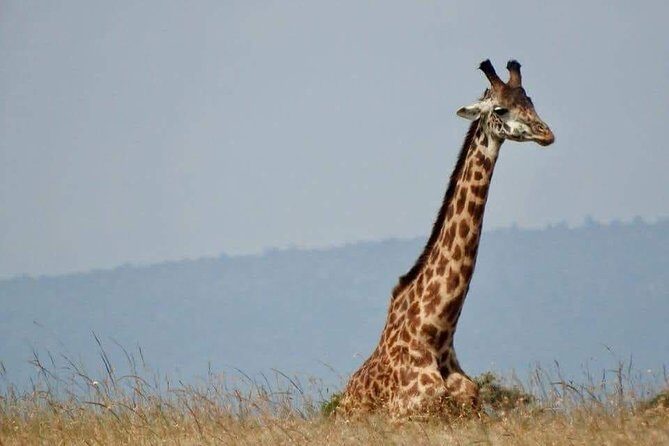
Safari success is not only about where you go. It’s about how you’re moved around the terrain and how quickly sightings are spotted and turned into real moments.
In the feedback I reviewed, guides like Ken are described as experienced and quick to set up the plan, with an emphasis on smooth coordination. There’s also a mention of meeting Abongo in person, plus calm handling of flight delays on arrival to JKIA. That tells me the company is thinking about real-world travel problems, not just the brochure version.
And because this is a private setup, you’re more likely to get a consistent voice behind the wheel and a clearer rhythm for your group. That makes long drives feel less like waiting and more like a guided process.
What to Pack and How to Prepare (So You Enjoy Every Drive)
The itinerary is built around long days in vehicles and early starts for safari windows. To enjoy it comfortably:
- Bring layers. Mornings can feel cool even when afternoons warm up.
- Plan for sun. Even when you’re under light clouds, safari glare adds up fast.
- Pack water and snacks you can access easily. Breakfast is included, but you’ll still want a personal backup.
- If birds matter to you, bring binoculars or a lens that helps you pick up small motion at the lake.
Also, keep expectations flexible. An excellent route gives you chances, not guarantees. When conditions change—weather, visibility, animal movement—you want the mental habit of adjusting fast.
Who This Safari Fits Best
This trip is a great fit if:
- You want a classic Kenya circuit without cutting corners.
- You care about elephant viewing as much as big cat chances.
- You like the idea of birds at Lake Nakuru rather than only chasing mammals.
- You prefer a private experience where your group is the only one moving through the parks.
It may be less ideal if:
- You want lots of free time or minimal driving.
- You’re only interested in one destination and don’t care about the others.
- You plan to rely on all meals being included.
Should You Book This 6-Day Maasai Mara, Lake Nakuru, Amboseli Safari?
I’d book it if your goal is a well-balanced Kenya sampler with enough time in each place to actually improve your odds. Two days in Amboseli and two in Maasai Mara is the kind of schedule that tends to pay off, especially when you want more than one “try” for major sightings.
If you’re laser-focused on one thing—like only flamingos or only the Great Migration—then double-check your travel dates and your own patience for day-to-day nature timing. But if you can handle a busy, scenic route and you want a safari with strong planning and a personal feel, this one looks like a solid bet.
FAQ
Where does the safari start and end?
It starts at Jomo Kenyatta International Airport in Nairobi, Kenya, and it ends back at the meeting point.
Is pickup offered?
Yes, pickup is offered.
Is this a private tour?
Yes. It’s described as a private tour/activity where only your group participates.
How many days is the safari?
The duration is approximately 6 days.
What meals are included?
Breakfast is included for 6 days. Picnic lunch is referenced in the itinerary during travel and game-drive days.
Are park admission tickets included?
The itinerary lists admission as free for the park days.
What accommodations are included?
The named accommodations are Aa Lodge Amboseli, Hotel Wagon Wheel, and Aa Lodge Mara.
Is a hot-air balloon ride included?
No. It’s mentioned as available at extra cost.
What happens if plans change due to weather?
The experience notes that it requires good weather. If it’s canceled due to poor weather, you’ll be offered a different date or a full refund.
Can I cancel for a full refund?
Yes. There’s free cancellation up to 24 hours in advance for a full refund, based on local time cut-offs.