REVIEW · NAIROBI
3Days 2nights Masai Mara group joining safari
Book on Viator →Operated by Karibu Safaris in Kenya · Bookable on Viator
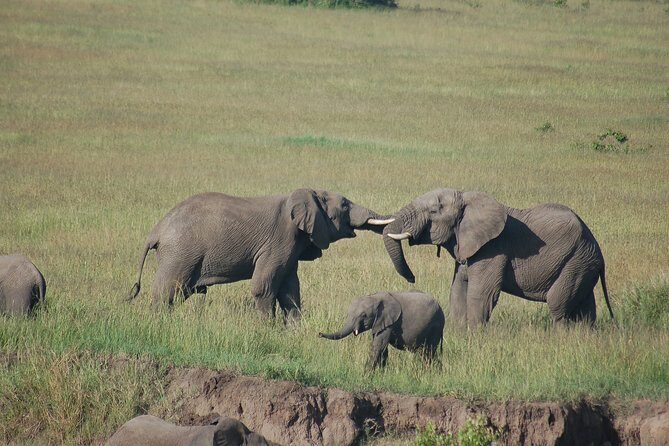
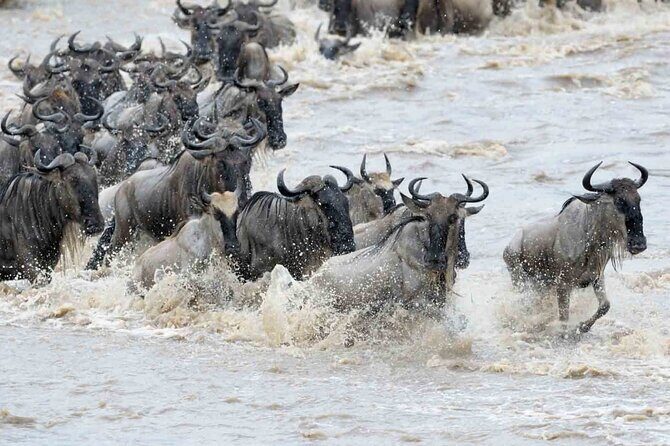
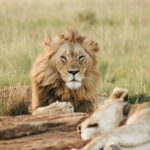
A hot-air feeling on a cold morning. Then it’s lions, elephants, and a lot of game drive time in only 3 days. What I really like is the guided structure (you’re not figuring things out) and the time-saving Nairobi-to-Mara logistics that get you into the reserve fast. One consideration: this is a group-joining style safari, so I’d double-check your exact camp and vehicle details before you go.
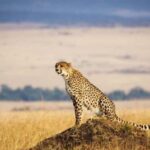
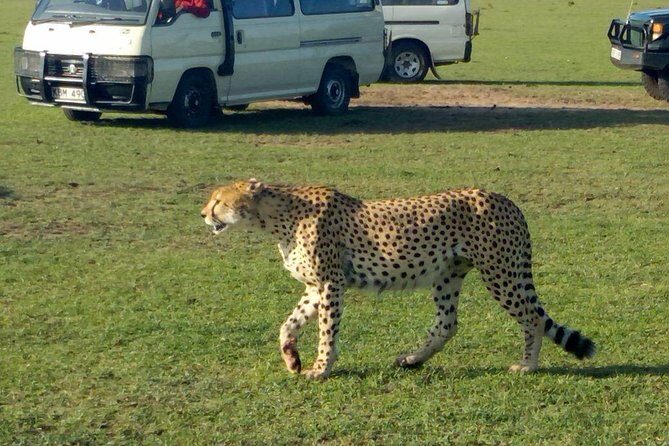
You start with an early departure window, then spend the bulk of each day on the hunt for wildlife—cheetahs, lions, and plenty of other surprises—before sleeping in a camp built for that schedule. In feedback, guides like Aruni, Harooni, Edward, and Raymond came up for getting close to animals and working the reserve smartly, including for more elusive sightings. The trade-off is you’re on a fixed itinerary, so you’re paying for a “best effort” wildlife plan, not a guaranteed leopard.
In This Review
- Key points to know before you join
- From Nairobi to the Maasai Mara: that 8:15 start matters
- Day 1 in the Mara: late afternoon viewing and your first real drive
- Full day in the reserve: Day 2’s Big Five focus
- Day 3: one more morning drive, then Nairobi again
- Mara Elephant Springs Tented Camp and meals: comfort built around wildlife time
- Guides who work the Mara: what their skills really mean for you
- Price and logistics: the $772 value, plus the places you can get surprised
- What to pack for cold mornings, long drives, and quick changes
- Group-joining safari: small group size, but check the fine print
- Who this Maasai Mara trip suits best
- Should you book it? My take
- FAQ
- What’s the duration of this Maasai Mara safari from Nairobi?
- What time does the safari start?
- How many people are in the group?
- What accommodation is included?
- Are meals included?
- Is the Masai Village visit included?
- What does the package price include and exclude?
- Is there a cancellation window for a refund?
- Is a mobile ticket provided?
Key points to know before you join
- 3 days / 2 nights in the Maasai Mara is tight, so the schedule focuses on game drives every day.
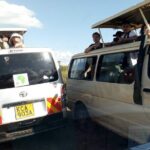
- Pickup and safari-van transport from Nairobi reduces the headache of arranging your own ground logistics.
- Mara Elephant Springs Tented Camp is part of the package, with 3 meals a day and bottled water included.
- Max 8 travelers means it’s a small-group format, but still a group format.
- Optional Masai Village time is available, but it’s not included in the base price.
- Cold mornings and late evenings are real in the Mara, so plan warm layers for early and night drives.
From Nairobi to the Maasai Mara: that 8:15 start matters
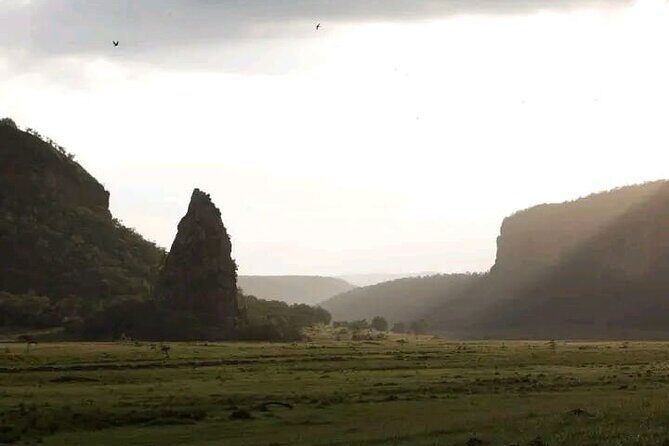
This safari is built for people who don’t have a week. The start time is 8:15 am, and that early push is what makes the whole trip work. You leave Nairobi in the morning and head south through the floor of the Great Rift Valley, a route that makes the change in scenery feel noticeable as you go.
By midday, you stop for a picnic lunch at Narok. That’s not just food logistics. It’s also your buffer to reset so the afternoon game viewing starts with energy, not road fatigue. Then you continue toward the reserve and arrive in time for late-afternoon wildlife time on the way in, followed by an early evening game drive.
Why this matters for you: Masai Mara can feel like it’s “forever far” if you’re planning badly. Doing this with organized transport means you’re spending your limited time in the right place—inside the action—rather than stuck on the road and fighting day-by-day planning.
A few more Nairobi tours and experiences worth a look
Day 1 in the Mara: late afternoon viewing and your first real drive
Day 1 has a classic safari pacing: arrive, settle in, and start seeing animals before you even finish the day. After lunch at Narok, you reach the Maasai Mara for late afternoon game viewing enroute, then you do an early evening game drive.
Even if you land without seeing every iconic species on Day 1, you should treat this as your orientation day. You’ll start clocking how the park moves: where wildlife tends to appear at that hour, how vehicles position near sightings, and how your guide reads the landscape.
Dinner and overnight come at camp after your first round of game viewing. The package includes meals and bottled water, so you’re not hunting for snacks in transit. That’s the small stuff that keeps a short safari from feeling stressful.
A possible drawback: if you’re used to a “slow travel” pace, the first day can feel like a whirlwind. But if your goal is to maximize animals in a limited number of days, this is exactly what you’re paying for.
Full day in the reserve: Day 2’s Big Five focus
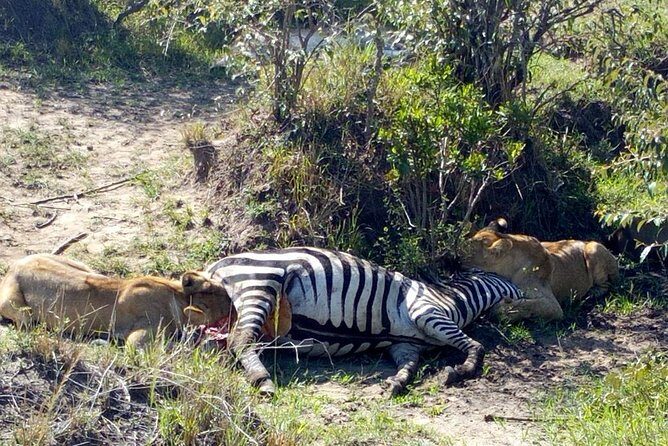
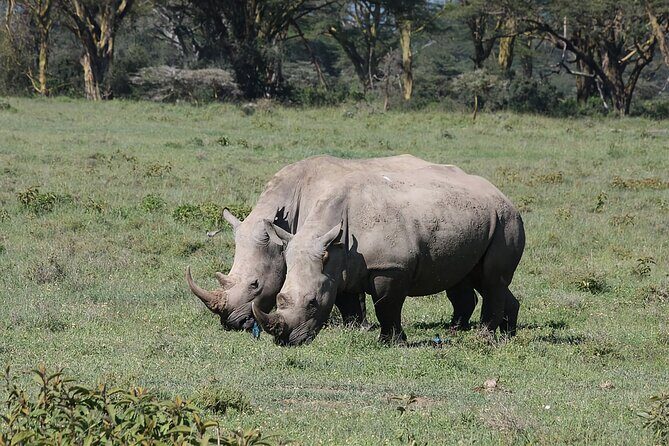
Day 2 is the core day. You get a full day in the park in search of the Big Five. The schedule is built around long viewing windows because the most satisfying wildlife days in places like this are rarely “one-minute” events. You want time to watch behavior, not just chase sightings.
You’ll do game drives with meals and overnight at camp. There’s also an optional add-on in the evening: the Masai Village visit (included only if you choose it, and it’s not part of the base package cost).
If you’re wondering what a full day actually feels like: expect frequent stops, slow scanning for movement, and occasional moments where you think nothing’s happening—then everything happens at once. A good guide helps you not miss those windows.
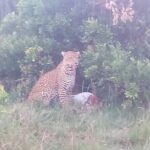
From the feedback you provided, one theme stands out: people praised guides for pushing for elusive animals, including cheetah and leopard efforts. That doesn’t mean you’ll “get” everything, but it does mean the guide is actively working the day rather than driving the same loop and calling it done.
Day 3: one more morning drive, then Nairobi again
Day 3 is shorter but packed. You start with a morning game drive. Morning is when animals often look most active, and it’s also when light and visibility can make sightings feel extra sharp.
After breakfast, you head back toward Nairobi with picnic lunch at Narok again, then arrive in Nairobi late afternoon, around 15:00.
Practical takeaway: your Day 3 is your “last chance” drive. If you care most about a specific animal, keep that in your mind for the morning. If you’re flexible, you’ll still get plenty of value from the repeated Mara time and the simple fact that you’re returning to Nairobi with your logistics handled.
Mara Elephant Springs Tented Camp and meals: comfort built around wildlife time
Your included overnight is at Mara Elephant Springs Tented Camp. The big advantage of having camp included is that your day isn’t split between safari and logistics. You don’t need to figure out where to eat or how to get back at night.
You also get 3 meals a day plus bottled drinking water. That’s a meaningful value piece on a short safari. When you only have 3 days, every hour you spend on meal decisions is an hour you don’t spend scanning the grass for motion.
The “tented camp” style also fits the Mara reality. You’re not in a city hotel. You’re sleeping on a safari schedule. You’ll want to be comfortable being a bit more basic than you’d expect back home, but the key is whether your camp location and setup keep you well-rested for game drives.
One caution from the feedback you shared: there are occasional complaints about accommodation differences and group separation across camps. I can’t change what you’re buying, but you can protect yourself by confirming the camp name and what happens if you’re joining with another group.
A few more Nairobi tours and experiences worth a look
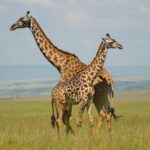

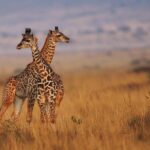
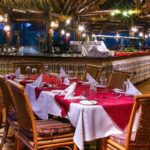
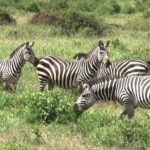
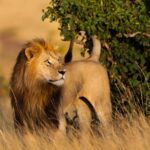
Guides who work the Mara: what their skills really mean for you
In a short safari, your guide isn’t just driving. They’re doing three things at once: finding animals, positioning safely, and keeping you on the right timing.
In the feedback you provided, guides like Aruni and Harooni were credited with getting people close to animals and improving the odds of seeing more elusive species such as cheetahs and leopards. Other names came up too, including Edward and Raymond, both praised for guiding effectively and keeping the trip organized from start to finish.
What to watch for while you’re with your guide:
- They should read the landscape quickly and explain why you’re stopping.
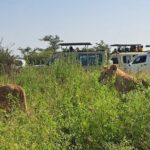
- You’ll likely be taken to areas where other vehicles are present, but your guide’s job is to judge whether the sighting is worth the time.
- The best guides also manage your expectations in a helpful way. In real terms, you might see some Big Five members but not all within 3 days. That’s normal. What matters is whether the guide keeps working toward the goal.
And yes, this is where group format can affect the day. If your jeep feels overpacked or if the group divides, you can lose some of that “focused guide attention.” More on that in the logistics section.
Price and logistics: the $772 value, plus the places you can get surprised
The price is $772 per person, and the average booking timing is about 56 days in advance. That matters because good safari slots often sell out around key travel periods, and you’ll often get better availability when you book with enough lead time.
What’s included in the package:
- Park fees
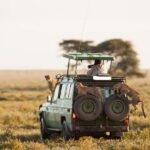
- Transport by safari van
- Accommodation (at Mara Elephant Springs Tented Camp, as listed)
- 3 meals a day
- Bottled drinking water
- Game drives
- Services of a qualified driver guide
What’s not included:
- Tips
- Personal spending
- Masai Village visit (optional)
So the “value math” is pretty clear: the base price is doing the heavy lifting. You’re not paying separate park fees, you’re not arranging your own van, and you’re not managing meals across multiple stays.
Where you can get surprised is not the sticker price. It’s the details:
- Camp placement and whether you’re staying with your full group at the same camp
- Vehicle capacity and how many people are in each jeep
- Timing accuracy for pickup and day transitions
Some of the feedback you shared includes frustrations about being placed in a different camp than part of the group, plus issues about vehicle overcrowding. You can’t eliminate group-travel reality, but you can reduce risk by confirming the exact camp name and clarifying vehicle capacity before departure.
What to pack for cold mornings, long drives, and quick changes
Even in a sunny safari country, the Mara can be cold early and late. The info you provided is direct: it gets really cold early mornings and late evenings, and you’ll be outside on game drives during those windows.
Here’s what you should pack for comfort:
- Warm layers for the early morning drive and the evening drive
- A jacket you can handle when the air shifts
- Something easy for sitting in the jeep for long stretches
- Sunscreen and a hat for daytime heat
- Binoculars if you have them (the trip is designed for wildlife viewing, so this helps)
Also bring a small attitude adjustment. A short safari can feel like you’re moving fast, but wildlife timing is still wildlife timing. Dressing for the cold makes you happier when the day is quiet.
Group-joining safari: small group size, but check the fine print
This safari is capped at maximum 8 travelers. That’s small, and in theory it should keep things more manageable than big group buses.
Still, this is a “group joining” style experience, meaning you’re not always guaranteed that everyone in your booking group gets identical treatment in every single detail. The feedback you shared includes examples of people being separated into different camps and feeling excluded, along with complaints about transport comfort.
My practical advice:
- Before you go, confirm the exact camp you’re booked into.
- Ask whether all parts of your group will stay together at the same camp.
- If you’re picky about seating comfort, ask how many people are in each vehicle.
- If you’re booking as a couple or a small party, say that clearly when you confirm.
This way, if anything changes, you’ll learn it early instead of at the worst possible moment.
Who this Maasai Mara trip suits best
This is a strong fit if:
- You have only 3 days and you want real time inside the Mara
- You want a guided plan with park fees, transport, and meals handled
- You like the idea of early starts and long viewing windows
- You want a safari that feels structured without being complicated
It’s less ideal if:
- You’re the type who needs everything to be perfectly uniform within your group
- You’re extremely sensitive to accommodation differences
- You expect a guaranteed “all Big Five in 3 days” outcome
Wildlife sightings are never a vending machine. What you can control is whether the trip is run well and whether your guide is actively working for sightings. The feedback you provided strongly suggests that skilled guides can make a real difference, especially when aiming for cheetahs and leopard opportunities.
Should you book it? My take
If your main goal is maximum Maasai Mara time for the money and the calendar, this safari is easy to like. The package includes the key pieces that usually blow up budgets: park fees, transport, camp, and meals. You’ll also get a practical rhythm—multiple game drives across 3 days—so you’re not just “passing through.”
I’d book it if you’re flexible on wildlife outcomes and you’re willing to do one small piece of homework: confirm the camp details and how your group will be handled. Then you can focus on the fun part—watching the Mara do what it does best.
If you’re the kind of traveler who needs perfect unity, ask extra questions before payment. Otherwise, you risk walking in already stressed.
FAQ
What’s the duration of this Maasai Mara safari from Nairobi?
It runs for 3 days and 2 nights.
What time does the safari start?
The start time is 8:15 am.
How many people are in the group?
The tour has a maximum of 8 travelers.
What accommodation is included?
Overnight accommodation is included at Mara Elephant Springs Tented Camp.
Are meals included?
Yes. You get breakfast, lunch, and dinner, with bottled drinking water provided.
Is the Masai Village visit included?
The Masai Village visit is optional and is not included in the base price.
What does the package price include and exclude?
Included: park fees, safari van transport, accommodation, 3 meals a day, bottled water, game drives, and services of a qualified driver guide. Not included: tips, personal spending, and the Masai Village visit.
Is there a cancellation window for a refund?
Yes. Free cancellation is available if you cancel at least 24 hours before the experience start time for a full refund.
Is a mobile ticket provided?
Yes. A mobile ticket is included.