REVIEW · NAIROBI
3 days group safari to maasai mara with a 4×4 landcruiser
Book on GetYourGuide →Operated by Zazu Safari Ventures Limited · Bookable on GetYourGuide
Safari magic starts before breakfast. This 3-day group safari to Maasai Mara runs from Nairobi with hotel pickup, then focuses your time on real time in the reserve with a sunset drive on day 1 and a full game day on day 2. It’s the kind of schedule that helps you get wildlife sightings without feeling like you spent your trip stuck in transit.
The two things I’d prioritize if you’re deciding whether to go: you get purpose-built 4×4 Landcruiser transport with a pop-up roof for better viewing, and the itinerary includes all park entrance fees plus all meals as listed, so you’re not constantly calculating what’s missing. The driver-guide setup also matters here, because the park familiarity is part of how you spend more time where animals actually are.
One consideration: this is a group trip with a budget-style tented camp, so if you’re expecting a luxury lodge, you might feel the “value trade-off.” Also, the Nairobi-to-Mara drive is part of the deal, so plan for a long day rather than expecting a quick hop.
In This Review
- Key Things That Make This Safari Different
- Entering Maasai Mara: What 3 Days Gives You (and What It Doesn’t)
- Nairobi Pickup and the Great Rift Valley View Stop
- Day 1: Nairobi to Mara + Sunset Drive (When the Cats Are Most Likely)
- Day 2: Full-Day Game Drive in Maasai Mara Reserve
- Camp Life at Rhino Tourist Camp: Budget Tents, Real Comfort
- The 4×4 Landcruiser with Pop-Up Roof: How It Changes Your Sightlines
- Food, Timing, and the Little Logistics That Make or Break Days
- Price and Value: What You’re Paying For (and What’s Extra)
- Who This Maasai Mara Group Safari Suits Best
- Wildlife-Viewing Tips That Match This Schedule
- Should You Book This Maasai Mara Group Safari?
- FAQ
- What’s included in the Maasai Mara safari price?
- How many people are in the group?
- What are the game drive times on the first two days?
- What kind of accommodation will I stay in?
- Are balloon rides or Maasai village visits included?
- Where does pickup and drop-off happen?
Key Things That Make This Safari Different
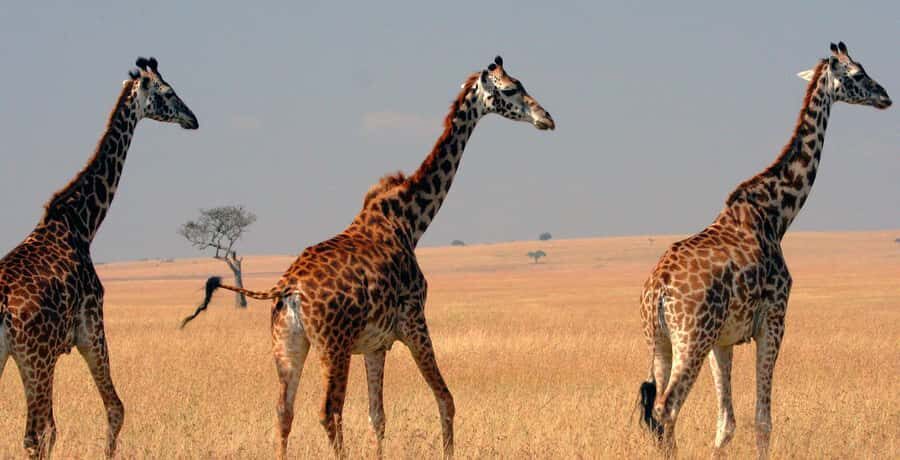
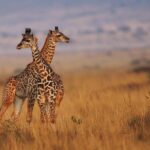
- Pop-up roof 4×4 Landcruiser: higher viewing angles for giraffes, lions, and those long-distance tracking moments.
- Two game-drive blocks that work: sunset on day 1 and a full day on day 2.
- Small group size (8 people per safari cruiser): easier spotting and more manageable decision-making than bigger crowds.
- Tented camp with real basics: private self-contained tents, mosquito nets, bed linen, hot water, and electricity set hours.
- Optional extras are real extras: balloon safari and Maasai village cost extra, so you control the add-ons.
- Professional, park-familiar guidance: the guide’s driving and knowledge are central to maximizing sightings.
Entering Maasai Mara: What 3 Days Gives You (and What It Doesn’t)
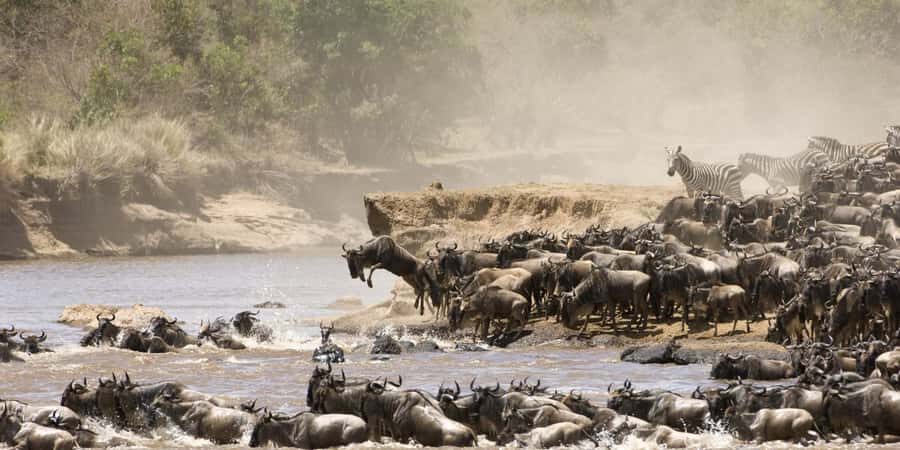
A 3-day Maasai Mara safari can feel short, but it’s long enough to do two key things well: get comfortable reading the savanna and spend enough time on the ground to catch predators and large herbivores in motion. This itinerary leans into that with a sunset game viewing drive on day 1 and a full day on day 2.
What it doesn’t promise is a guarantee of every animal every day. The Mara is wild, not a theme park. Still, the structure here gives you repeated chances: you’re not betting everything on one morning.
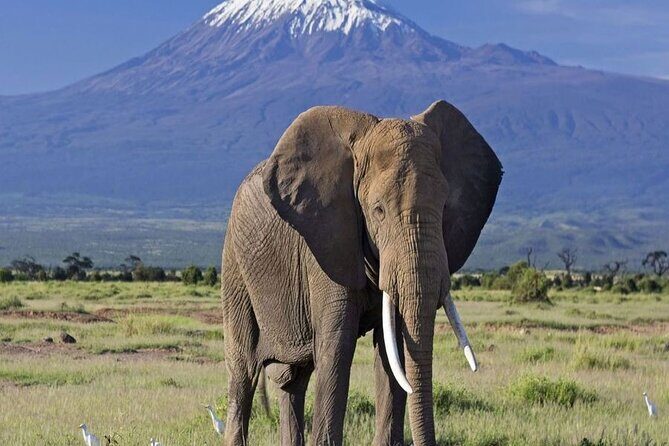
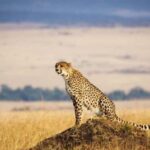
If you’re chasing the Big Five mindset, day 2 is where your odds improve most because you’re out for a full game drive block and you have time to follow sightings as conditions change.
A few more Nairobi tours and experiences worth a look
Nairobi Pickup and the Great Rift Valley View Stop
Your day starts in Nairobi with pickup from hotels in the Nairobi CBD or Westlands area near the highway, which keeps the start simple. If you’re staying outside the city center, there’s an additional airport/hotel pickup/drop charge mentioned, so double-check where you’re located before you book.
On the road, the itinerary includes a Great Rift Valley viewpoint, which is more than just a photo stop. It’s a quick chance to understand what you’re driving into: this is a huge system of valleys and plains, and that geography helps explain why herds move and why predators hunt where they can.
The big practical tip: dress for layers. Kenya road trips can feel warm on the drive, then cool off later when you shift from transit into game viewing. Comfortable shoes also matter because you may need to step around camp and vehicle areas.
Day 1: Nairobi to Mara + Sunset Drive (When the Cats Are Most Likely)
Day 1 is built around arrival and a rewarding first look. You leave Nairobi around 8:00 am, and the plan is to reach the camp in time for lunch, then check in, eat, and reset before your afternoon drive.
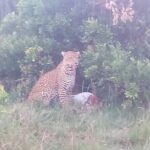
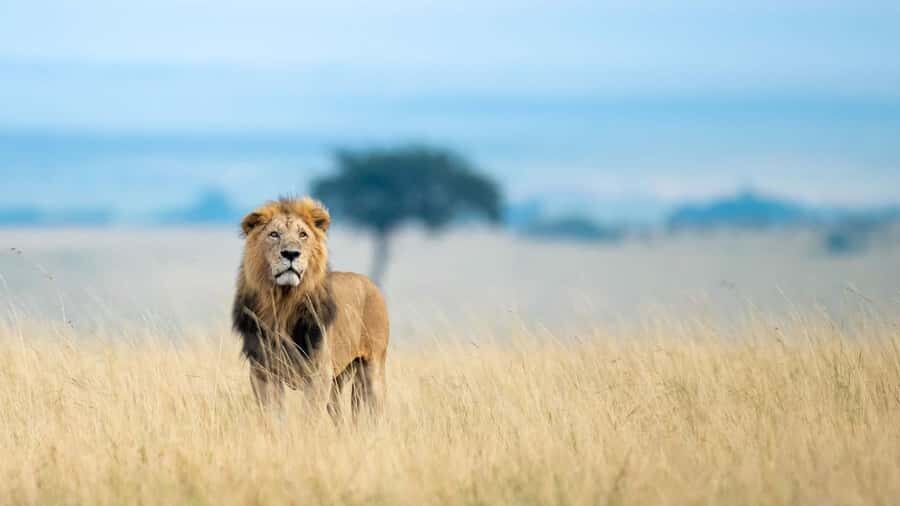
The key moment is the 4:00 pm sunset game viewing drive, ending around 6:00 pm. Sunset is often when animals move more actively and when light makes it easier to spot movement at a distance. The tour also notes that big cats odds are extremely high during this time window, which is exactly why the schedule matters.
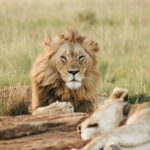
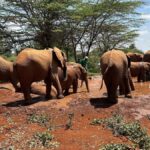
This is also a good day for your expectations. You might see lions, elephants, or other big wildlife quickly, but even if you don’t, you’ll get oriented—how far things are, what the savanna looks like in changing light, and how your guide positions the Landcruiser for viewing.
Dinner follows back at camp with a buffet style meal, and then you get to rest early enough to handle a 6:30 am breakfast the next day.
Day 2: Full-Day Game Drive in Maasai Mara Reserve
Day 2 starts early: breakfast at 6:30 am, then departure for the full game viewing block at 7:00 am. This matters because many sightings happen when animals are moving between feeding and resting areas. The longer you’re out, the more likely you are to catch different groups and behaviors.
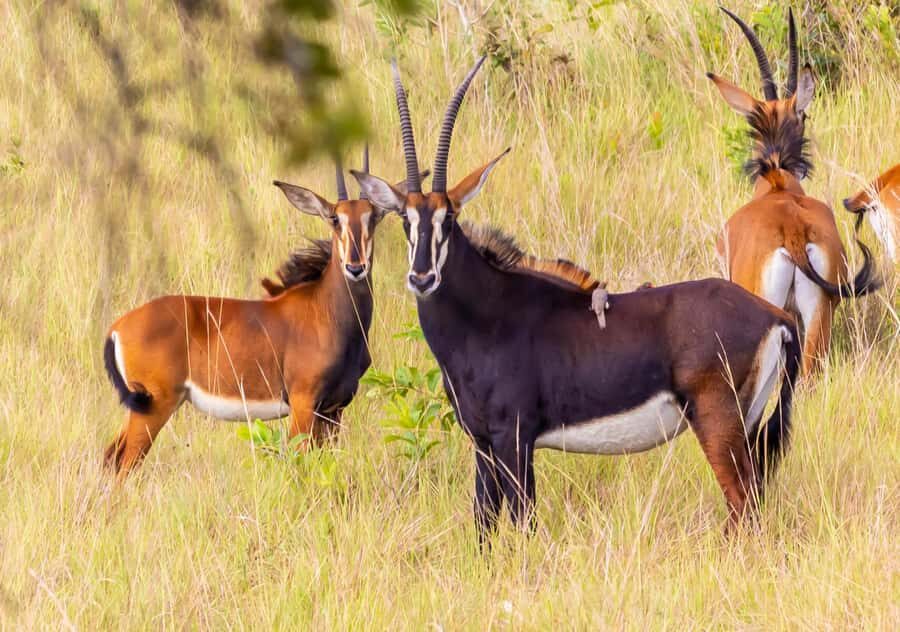
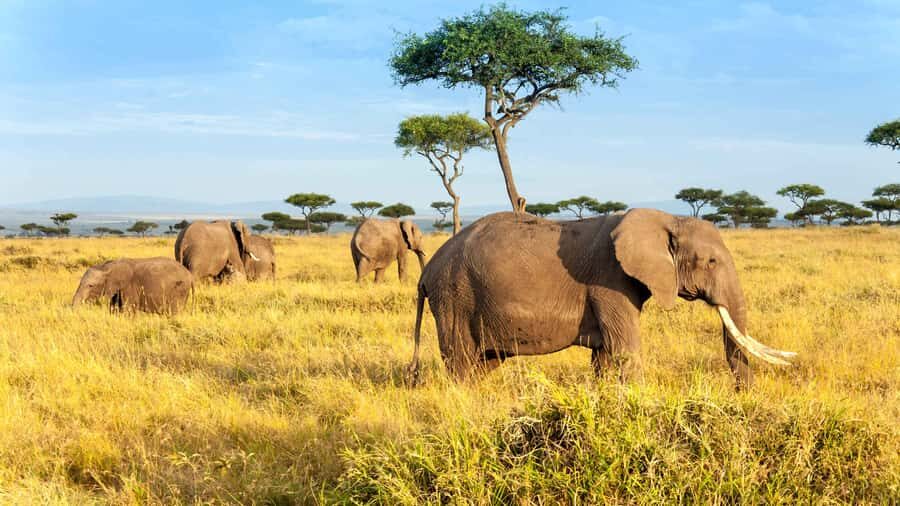
You’re aiming for a wide mix of wildlife, including the “Big Five” idea, plus hippos and Nile crocodiles. Whether you find them in one trip depends on where conditions and water access bring animals that day, but a full day increases your chances compared with a shorter schedule.
The tour includes a picnic lunch in the park under shade from a croton tree. That detail is practical: it keeps you from rushing back to camp just to eat, and it means you stay in the reserve longer instead of losing wildlife time to road travel.
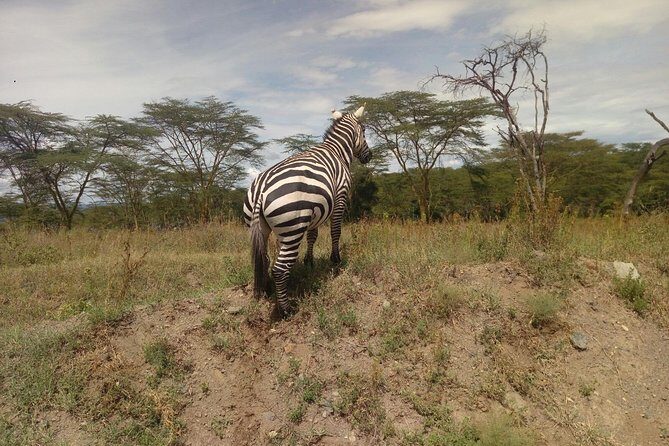
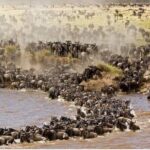
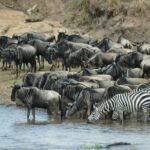
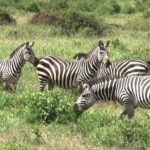
This is also the day the itinerary highlights the Great Migration, the famous movement of wildebeest and zebra from the Serengeti toward better pasture. If migration is happening during your dates, you’ll likely see large herds moving across the plains, and predators often follow. Even when you don’t catch the biggest drama of migration at your exact moment, the Mara’s ecosystem is built around these shifting patterns.
Camp Life at Rhino Tourist Camp: Budget Tents, Real Comfort
You spend two nights at a budget tented camp (Rhino Tourist Camp or similar). The tents are described as big and private, self-contained with a shower, bed, mosquito nets, and linen. Electricity exists, but only on specific hours: 6:00 pm to 10:00 pm and 6:00 am to 8:00 am.
This is one of those details that changes the whole feel of your safari. You’ll recharge and freshen up comfortably enough, but you’re not living in a full-time power zone. I’d plan to use your phone/camera battery wisely and assume you’ll be outside in daylight most of the time.
Hot water is included, and each tent has a toilet/bathroom, so you’re not dealing with the roughest “safari camping” setups. Still, it’s a budget camp, so it’s best to match your mindset: think functional comfort rather than hotel-level amenities.
Also note: the camp is part of why the game drive schedule feels reasonable. If you’re expecting to sleep in, you’ll be frustrated. If you’re happy waking early for wildlife, you’ll love the rhythm.
A few more Nairobi tours and experiences worth a look
The 4×4 Landcruiser with Pop-Up Roof: How It Changes Your Sightlines
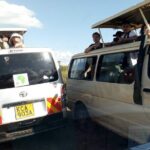
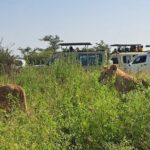
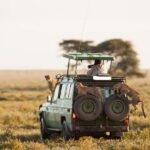
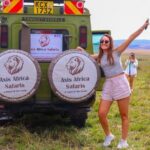
Transport is a big part of safari quality, and this tour is explicit: 4×4 Landcruiser jeeps with a pop-up roof. That pop-up matters because it gives you a better height advantage over grasses and helps with spotting at distance. It also helps with photography because you aren’t constantly asking the people in front to move.
The vehicle setup supports a daily routine of driving to sightings, stopping safely, and scanning. A good guide doesn’t just drive; they read where animals are likely to be and position you for visibility.
You’ll also be with a group of up to 8 people per safari cruiser. That size is a sweet spot. It’s small enough to coordinate quickly and keep everyone engaged, without the long waits and jostling that can happen with bigger groups.
Your best move: bring a camera and binoculars (you’ll have them listed for a reason). Binoculars are especially helpful for tracking movement before it becomes obvious.
Food, Timing, and the Little Logistics That Make or Break Days
This safari includes all meals as per itinerary, with bottled water in the vehicle and a picnic lunch on day 2. That’s a value win because meals inside reserves are never an afterthought, and relying on outside purchases often turns into delays.
The day-by-day timing is designed around daylight. You start with a long morning drive, then shift into game viewing when the light helps you spot animals. On day 2, the early start is deliberate: it gives you more hours in the prime viewing window.
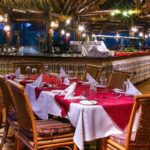
Dinner is a buffet back at camp on day 1, and the pattern continues with what’s listed for the rest of your stay. If you’re picky about food, it helps to remember this is camping-style service, not fine dining.
One more practical note: drinks like alcohol are not included, so if you like a drink in the evening, you’ll want to budget separately.
Price and Value: What You’re Paying For (and What’s Extra)
At $565 per person for 3 days, the value comes from the combination of transport, park access, and guided time on the ground. Included items are doing real work here: all transport in the 4×4 Landcruiser with pop-up roof, all park entrance fees, 2 nights accommodation in the tented camp, and meals.
That’s why this doesn’t feel like a barebones drive-and-snap itinerary. You’re paying for the parts that are usually expensive or unpredictable to piece together yourself—park fees, a capable guide, and a vehicle built for off-road viewing.
What costs extra:
- Balloon safari is optional and at an extra cost (conducted on day 2 early morning and still continues with the normal program).
- Maasai village visit is optional and at an extra cost.
- If you need pickup/drop outside the city center or airport transfers not within city center, there’s a $20 USD one-way charge (maximum 2 people in the vehicle).
If you’re trying to choose between extras, I’d treat the balloon as a separate bucket of “aerial views” rather than a replacement for game drives. You still do the standard program, so it’s an add-on option, not a trade.
And about that budget camp: some people care less about accommodation and more about time in the Mara. If that sounds like you, this price makes sense. If you want high-comfort lodging, you may prefer an upgrade before you arrive.
Who This Maasai Mara Group Safari Suits Best
This is a strong fit for people who want:
- A guided, structured safari without planning every detail
- A realistic shot at major wildlife through repeated game drives
- Comfortable viewing via pop-up roof transport
- A group size that stays workable (8 per cruiser)
It may not be ideal if you dislike early mornings, or if you require long periods of full-power electricity in your room. It’s also explicitly noted as not suitable for pregnant women.
If you’re traveling solo, this group format can feel easier than trying to coordinate everything yourself, especially for park entrance and vehicle logistics. If you’re traveling as a couple, it’s a straightforward way to share costs while still getting your own tented setup.
Wildlife-Viewing Tips That Match This Schedule
Your success won’t be luck alone. Here’s how to make this itinerary work for you:
- Pack a hat and sun protection. If you’re scanning for animals for hours, shade and sun comfort matter.
- Wear comfortable shoes you can stand in on uneven ground around camp and when vehicles stop.
- Bring binoculars and use them early. Don’t wait until you see the animal clearly in front of you.
- Be ready for the timing. Day 2 is full-on: you’ll want your camera charged and your mindset set for long viewing hours.
Also, treat your guide’s driving choices as part of the experience. A park-familiar driver-guide isn’t just finding animals; they’re finding safer spots to stop, and better angles to see behavior.
Should You Book This Maasai Mara Group Safari?
I’d book it if your goal is maximum time on game drives with a guided setup and good practical inclusions for the price. The structure makes sense: sunrise-to-daytime viewing on day 2, plus a sunset drive on day 1, plus an efficient rhythm of meals and camp rest.
I’d think twice if you’re strongly accommodation-focused. The tented camp is described as functional and self-contained, but it’s still a budget stay, and that difference can feel bigger once you’re there.
If you can handle early starts and you’re excited about the Mara’s mix of plains, predators, and migration energy, this is the kind of safari that can deliver memorable wildlife moments without turning into a logistics project.
If you want, tell me your travel month and whether you care more about the migration drama or the Big Five hunt. I can help you decide if this 3-day pace matches your priorities.
FAQ
What’s included in the Maasai Mara safari price?
The tour includes 2 nights accommodation in a budget tented camp, all meals as per the itinerary, a picnic lunch on day 2, all park entrance fees, and all transport in a 4×4 Landcruiser with a pop-up roof. Bottled water in the vehicle and pickup/drop-off within Nairobi city center are also included.
How many people are in the group?
The safari cruiser runs with a group size of up to 8 people.
What are the game drive times on the first two days?
On day 1, you depart for the sunset game viewing drive at 4:00 pm and finish around 6:00 pm. On day 2, you leave at 7:00 am for a full day game drive after 6:30 am breakfast.
What kind of accommodation will I stay in?
You’ll sleep in a tented tourist camp with large private tents that are self-contained, including a shower, bed, mosquito nets, linen, and toilet/bathroom. Electricity is available from 6:00 pm to 10:00 pm and 6:00 am to 8:00 am.
Are balloon rides or Maasai village visits included?
No. A balloon safari can be added at an extra cost (conducted on day 2 early morning) and a Maasai village visit is also available as an extra-cost option.
Where does pickup and drop-off happen?
Pickup and drop-off are included for hotels within Nairobi CBD or Westlands near the highway. Airport pickup is possible if you provide flight details, and pickup/drop-off not within the city center has an additional $20 USD one-way fee (maximum 2 people in the vehicle).