REVIEW · NAIROBI
3-Day Masai Mara Group Joining Safari Adventure
Book on Viator →Operated by Belle Fera Tours · Bookable on Viator
Wildebeest country, compact and close. This small-group safari from Nairobi brings you into Masai Mara National Reserve with tented comfort and meals built in, then pushes your wildlife time into the best parts of the day. If you time your trip for July or August, you’re also in range for the famous wildebeest migration season.
I especially like the way the schedule balances driving, rest, and game viewing—day one ends with an evening drive, and day two is a full wildlife day. Another plus is the tight group size (max 7 per van), which keeps things smoother when you’re bumping along reserve roads. One drawback to plan around: the third day is more of a morning-and-return setup, so don’t count on another full game drive before you head back to Nairobi.
In This Review
- Key Highlights You’ll Feel Immediately
- Masai Mara in 3 Days: What This Safari Really Delivers
- Day 1: Rift Valley Views, Picnic Lunch, Then a Strong Evening Drive
- Day 2: A Full Day in Masai Mara and Time Near the Mara River
- Day 3: Morning Breakfast, Optional Maasai Village, Then Back to Nairobi
- Camp Comfort: Tented Lodging That Doesn’t Feel Like Sacrifice
- Price and Value: Is $580 a Smart Deal?
- Group Size and Timing: Why Max 7 Per Van Helps Your Sighting Chances
- The Guide Factor: When Host Skills Matter
- Who This Safari Fits Best (and Who Should Think Twice)
- Should You Book This Masai Mara Group Safari?
- FAQ
- How long is the safari?
- How much does it cost?
- What time is pickup in Nairobi?
- How many people are in the group?
- What type of accommodation will I use?
- Are meals included?
- Is there a game drive on the first day?
- Is there a game drive on the third day?
- Can I visit a Maasai village?
- When will I return to Nairobi?
- Is cancellation possible?
Key Highlights You’ll Feel Immediately
- Max 7 people per van means more attentive guiding and less chaos in the bush
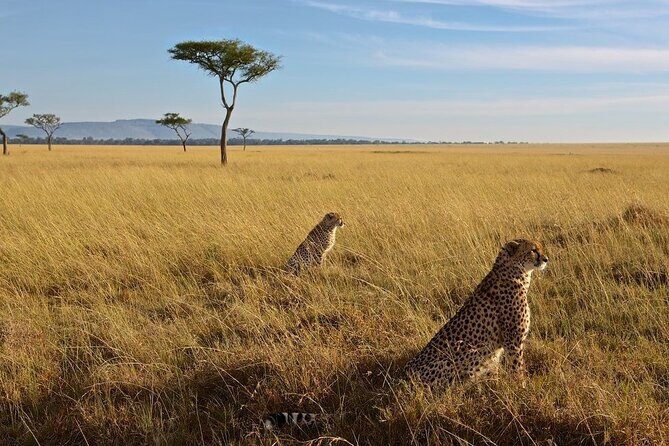
- Big Five chances in Masai Mara, plus predators like lion, leopard, and cheetah
- Evening game drive on day one when animals often move and sightings can be excellent
- Full day in Masai Mara with time near the Mara River area
- Tented camp stay with en-suite basics (hot shower and toilet inside the tent, at Mara Lenchada camp or similar)
- Optional Maasai village visit on day three if you want culture added to the wildlife
Masai Mara in 3 Days: What This Safari Really Delivers
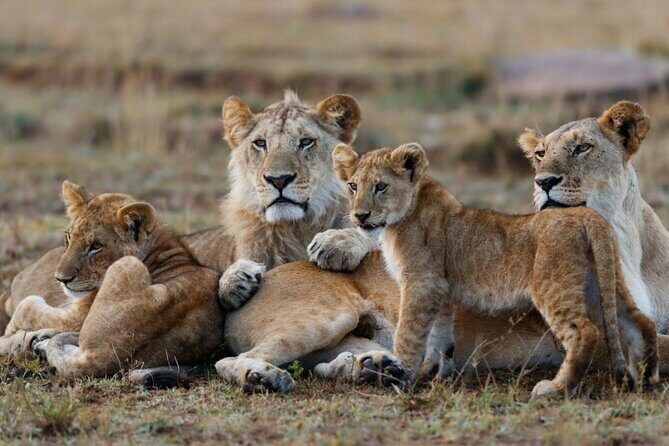
Masai Mara is Kenya’s star for a reason. In a short trip, you get the best shot at seeing large game, including the Big Five possibilities, plus plenty of other animals that show up when the timing is right. This itinerary is designed around that reality: you’re not spending days on paperwork or long transfers inside cities. You’re getting out into the reserve and staying there for the core viewing hours.
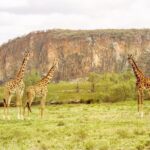
You’re also going into a landscape shaped by the Great Rift Valley. The drive south starts with a stop at a viewpoint along the Rift Valley floor—handy for getting oriented, taking photos, and breaking up the journey before you hit the Mara itself. It’s the kind of small pacing decision that makes the difference when you have only three days.
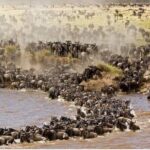
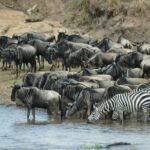
And if you’re traveling during July or August, keep your expectations flexible but hopeful. That’s when the wildebeest migration happens mainly, and Masai Mara is one of the places where you can see the action as herds move through the region.
A few more Nairobi tours and experiences worth a look
Day 1: Rift Valley Views, Picnic Lunch, Then a Strong Evening Drive
Day one starts with pickup from your Nairobi hotel at around 8am. You’ll travel south along the Great Rift Valley with a stop at a viewpoint, which is a great early warm-up. It’s not just a photo stop—it helps you understand what you’re entering and why Masai Mara’s plains can feel so open once you’re on the reserve roads.
Then you head into Masai Mara and get a picnic lunch. Arriving in the afternoon gives you a first taste of the reserve before you turn your attention to the evening game drive. That matters because nights are when a lot of wildlife activity shifts—predators move, herbivores adjust their grazing, and visibility can be excellent right before dusk.
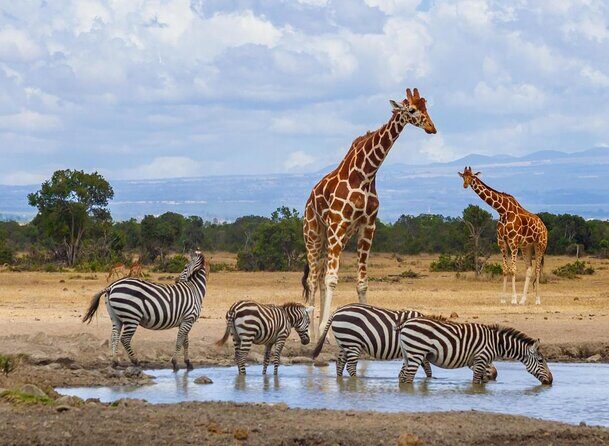
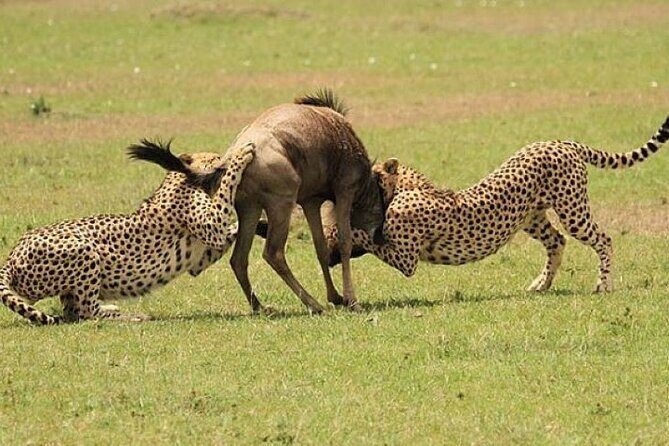
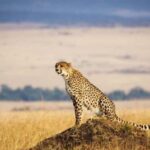
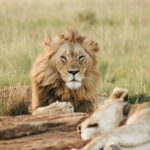
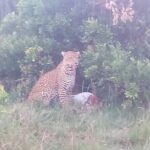
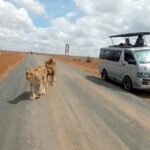
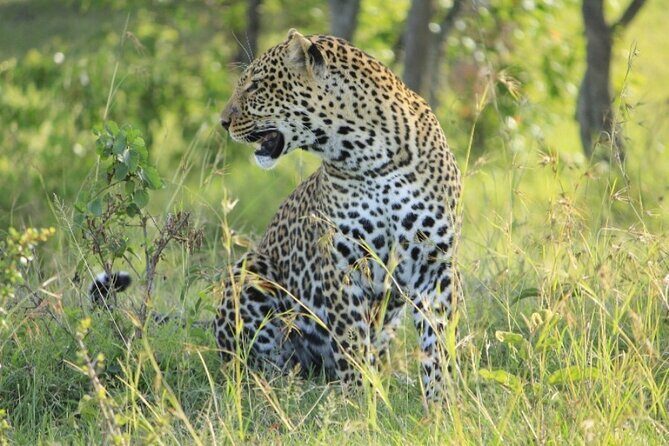
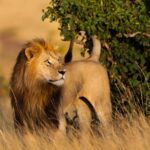
The evening drive is the heart of day one. This reserve is known for tree-studded grasslands, rolling hills, and the kind of animal density that can turn a normal drive into a highlight reel. You’re aiming for the usual Masai Mara stars—lions (including black-maned lions), leopards, cheetahs—along with elephants and many other species.
After the drive, you sleep at Mara Lenchada camp or a similar tented lodge. The comfort level is practical rather than fancy: your tent has a hot shower and a toilet inside. That’s a big deal on safari because it means you’re not constantly planning for basic comfort while you’re focused on wildlife.
Dinner is included, and you’ll likely feel the rhythm of a safari day quickly: early wake, long sightings window, then a calm evening meal.
Day 2: A Full Day in Masai Mara and Time Near the Mara River
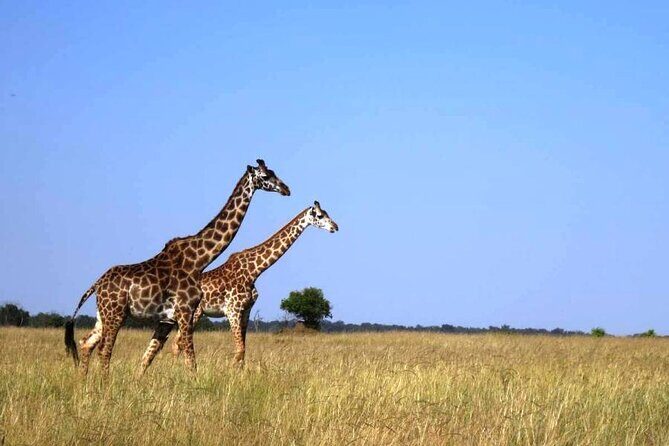
You’re up early on day two. Breakfast happens around 6am, and then you start around 6:30am with a picnic lunch. Early starts are not a luxury choice on safari—they’re a sighting strategy. Animals are often easier to spot when the day is still cool and the light is working in your favor.
This day is a full exploration of Masai Mara National Reserve. The big idea here is that Masai Mara is connected, geographically and ecologically, to the broader Serengeti ecosystem. You get a chance to focus on the Mara River area and the border zone where activity can concentrate. When animals gather near key water corridors, sightings tend to improve because you’re more likely to find tracks, movement, and recurring groups.
You also have the chance to see how the Serengeti side connects into what many people think of as the Mara experience. Even if you’re not crossing borders in a big dramatic way, having time near the Mara River region helps you feel the scale of this ecosystem rather than just driving through one scenic patch.
All meals and overnight are included again at the camp. By day two, you’ll appreciate the flow: fewer decisions for you to make, more time spent actually looking out for movement.
Day 3: Morning Breakfast, Optional Maasai Village, Then Back to Nairobi
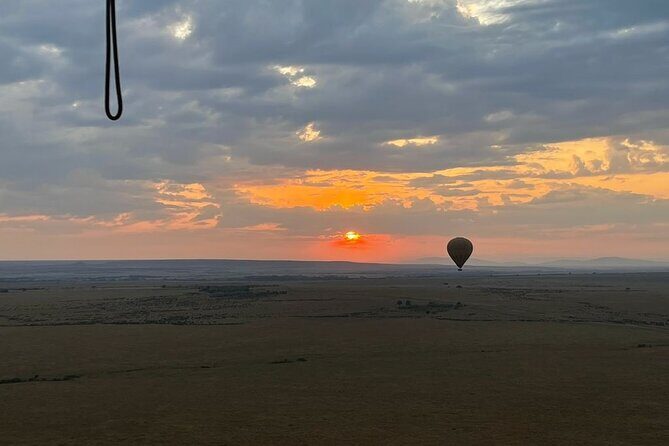
Day three is where expectations need a quick reset. You’ll have early morning breakfast, and you can add an optional Maasai village visit if you want a cultural stop before you leave the reserve area. Then you check out and drive back to Nairobi via Narok town for lunch.
You should arrive in Nairobi around 3:30pm and be dropped at your hotel. That timing works well if you’re continuing to another part of Kenya right away, or if you just want the safari to end without stealing your whole day.
One small caution: some people assume there will be another morning game drive. In practice, this itinerary leans toward returning you safely and on schedule. If you’re the type who lives for sunrise wildlife viewing, plan mentally for a more relaxed final morning and treat the village option as your big day-three moment.
Still, it can be a good way to finish. After two strong wildlife days, you don’t need a third big drive to feel like you got value out of Masai Mara.
Camp Comfort: Tented Lodging That Doesn’t Feel Like Sacrifice
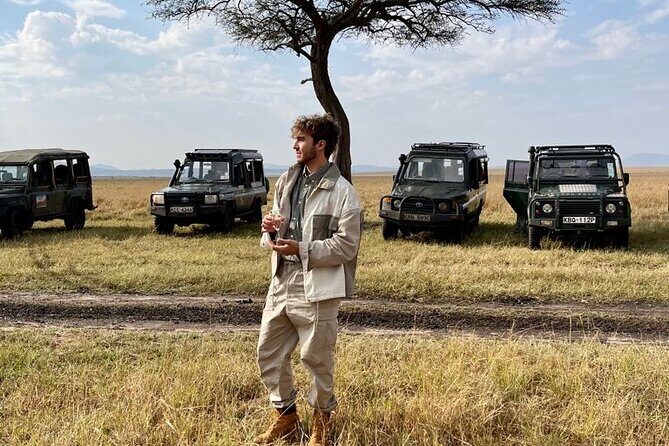
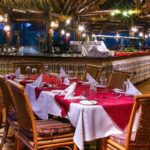
Safari lodging can swing wildly between romantic and uncomfortable. This one aims for practical comfort. At Mara Lenchada camp or a similar property, your tent includes a hot shower and a toilet inside the tent. That’s one of the clearest comfort advantages in the itinerary details you’re given.
You’ll also have dinner and at least two breakfasts included (plus multiple lunches across the trip). That matters because it removes everyday logistics from your plate. On safari, you want meals to be predictable—especially when your day is built around early starts and long drives.
The vibe here is simple: you’re sleeping under canvas, but you’re not living with zero comfort. It’s a smart middle approach for a group safari where the goal is wildlife, not survival.
A few more Nairobi tours and experiences worth a look

Price and Value: Is $580 a Smart Deal?
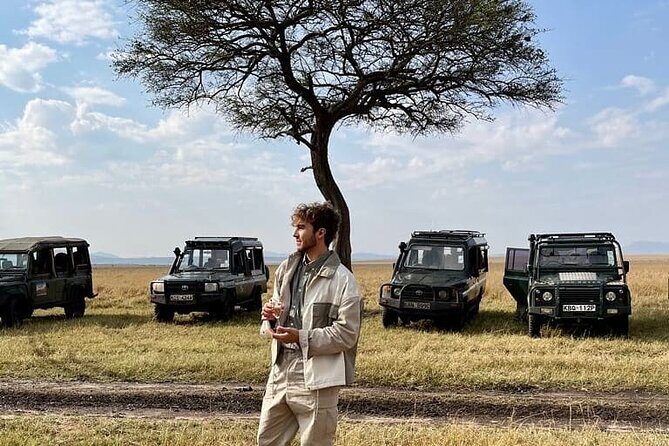
At $580 per person for a 3-day group safari, the value is less about “cheap” and more about what’s wrapped into the price. You’re paying for:
- reserve access with admission tickets included on day one (and admission included on day two)
- meals across the days (breakfasts, lunches, dinners)
- tented accommodation at the camp
- park-focused driving and game-drive time
- hotel pickup and drop-off in Nairobi
- a small-group van capped at 7 travelers
You also have a planning advantage: on average, this safari is booked about 45 days in advance. That doesn’t mean you must book that early, but it’s a clue that availability and dates can move.
From a value perspective, the best part is the structure. You’re paying for a guided rhythm that gets you into Masai Mara, keeps you moving through prime wildlife hours, and includes the basics that usually add hidden costs on DIY trips. If you don’t want to handle permits, separate transport, and meal planning, this price can feel fair quickly.
Group Size and Timing: Why Max 7 Per Van Helps Your Sighting Chances
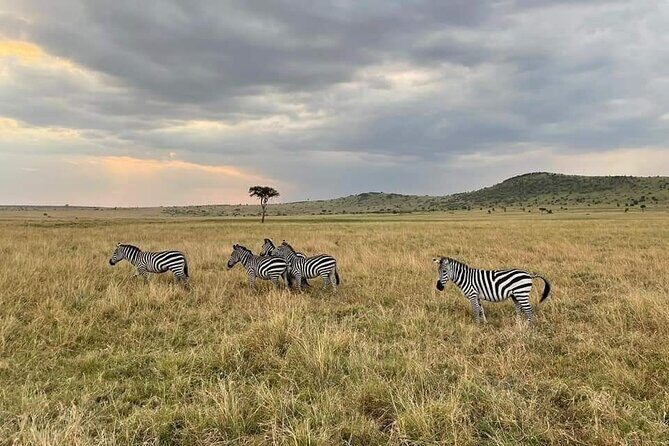
This safari is capped at 7 travelers per van. On the surface, that sounds like a comfort perk. In practice, it affects your viewing.
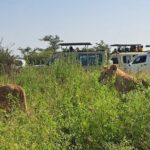
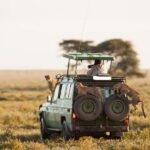
When you’re in a smaller group, it’s easier for the driver-guide to position the van for sight lines. It’s also easier to manage quick adjustments when you spot something moving—because you’re not waiting for a large crowd to settle and reorganize.
Timing is built around wildlife windows. Day one is anchored by an evening drive. Day two is an early start and full day. That combination is what makes this trip feel like a “three-day safari adventure” rather than a long commute with scattered sightings.
And since pickup is offered and the schedule runs from your hotel with a set departure time, you’re not spending safari time figuring out logistics.
The Guide Factor: When Host Skills Matter
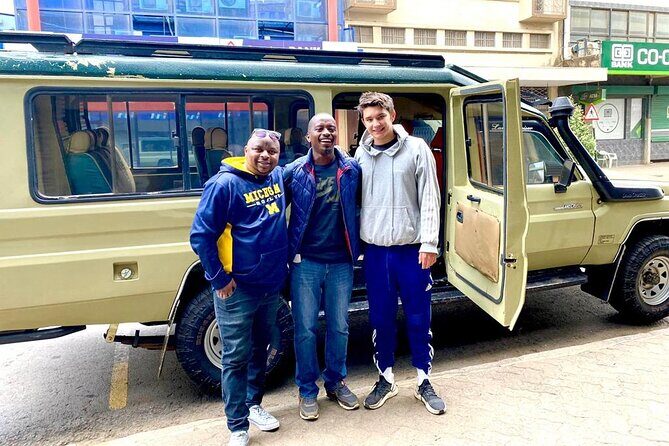
A good guide doesn’t just point. They anticipate. They keep the van moving when it should, slow down when it helps, and know how to read the reserve.
On this style of safari, the host experience can really shape your day. One well-regarded host named Bonface is specifically called out as a good host. Even when you don’t meet the same person every time, it’s a sign that the operator pays attention to the human side of the safari—helping you stay on schedule, keeping the group together, and making the experience smoother.
Who This Safari Fits Best (and Who Should Think Twice)
This is a strong match if you:
- want Masai Mara in a short time window
- prefer a guided group format over DIY planning
- care about maximizing game drive time, especially evening viewing on day one
- like the idea of tented accommodation with real bathroom comfort
It may not be the best fit if you:
- need a game drive on every single morning of the trip (day three is not built that way)
- want total freedom to roam independently (this is a structured route)
- have very tight expectations about exact animal guarantees (no safari can promise sightings, even in high-season areas)
If you’re the kind of traveler who loves planning that still leaves room for surprises—this will suit you.
Should You Book This Masai Mara Group Safari?
If you want Masai Mara without the complexity of building your own itinerary, I think this safari is an easy yes. The included meals, the camp setup with hot shower and toilet inside the tent, and the focus on prime wildlife hours make it feel like you’re paying for outcomes, not just transport.
Book it if you’re okay with the third day being a return day rather than another big morning drive. That’s the main trade-off. If you can accept that and you’re excited for two wildlife-heavy days, you’ll likely feel good about the value.
FAQ
How long is the safari?
It’s a 3-day safari (approx. 3 days).
How much does it cost?
The price is $580.00 per person.
What time is pickup in Nairobi?
Pickup starts around 8am, with the experience starting at 7:00am.
How many people are in the group?
The group is capped at a maximum of 7 travelers per van.
What type of accommodation will I use?
You’ll stay in tented accommodation at Mara Lenchada camp or a similar camp, with hot shower and toilet inside the tent (at Mara Lenchada camp or similar).
Are meals included?
Yes. Breakfast is included for 2 days, lunch is included for 3 days, and dinner is included for 2 days.
Is there a game drive on the first day?
Yes. Day one includes an evening game drive.
Is there a game drive on the third day?
Day three is focused on breakfast and then returning to Nairobi, with an optional Maasai village visit. The itinerary doesn’t promise a morning game drive.
Can I visit a Maasai village?
Yes, there’s an optional Maasai village visit on the morning of day three.
When will I return to Nairobi?
You’ll arrive back in Nairobi around 3:30pm on day three, with drop-off at your hotel.
Is cancellation possible?
You can cancel for a full refund if you cancel up to 24 hours in advance. If it’s canceled due to poor weather, you’ll be offered a different date or a full refund.
If you’d like, tell me your travel month and your comfort level (early mornings ok or not), and I’ll help you judge whether the timing lines up well for what you want to see.