REVIEW · NAIROBI
2 Days 1 Night Amboseli National Park Safari from Nairobi
Book on Viator →Operated by Expedition Happy Hour · Bookable on Viator
Elephants and Kilimanjaro in two packed days. This Nairobi-to-Amboseli safari delivers guaranteed elephant sightings and standout Kilimanjaro views at dawn and dusk, with enough time to cover key park highlights. The trade-off is early starts and a bit of walking at Observation Hill, so it helps if you’re comfortable with long game-drive days and moderate fitness.
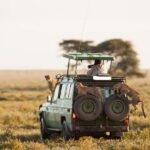
One reason people love this route is the hands-on driving style. Guides like Vincent and John show up early, communicate clearly, and focus on maximizing what you see during the game drives. You’ll also ride in a customized safari vehicle with a pop-up roof for easier spotting—small detail, big payoff when wildlife is in the bushes.
In This Review
- Key Highlights You’ll Care About
- Two Days in Amboseli: How This Safari Works in Real Life
- Nairobi Morning: Pickup Timing and the Emali Stretch Stop
- Day 1 in Amboseli: Lunch, Afternoon Game Drive, and Sunset Light
- Day 2 Sunrise and the Main Morning Drive: Catching the Mountain and the Wildlife
- Observation Hill: The One Walk That Changes Your View of the Whole Park
- The Safari Vehicle Setup: Pop-Up Roof Visibility
- Price and Inclusions: What You’re Really Paying For
- Where You’ll Stay and What Meals Look Like on This Schedule
- Who This Safari Suits Best (and Who Might Want Another Option)
- Should You Book This 2-Day Amboseli Safari from Nairobi?
- FAQ
- How long is the Amboseli safari?
- What does the trip cost?
- What time is pickup in Nairobi?
- Are meals included?
- Is park entrance included in the price?
- What kind of vehicle will I ride in?
- Is Mt. Kilimanjaro part of the experience?
- Can I visit a Maasai village?
- What is Observation Hill?
- Can I get a refund if my plans change?
Key Highlights You’ll Care About
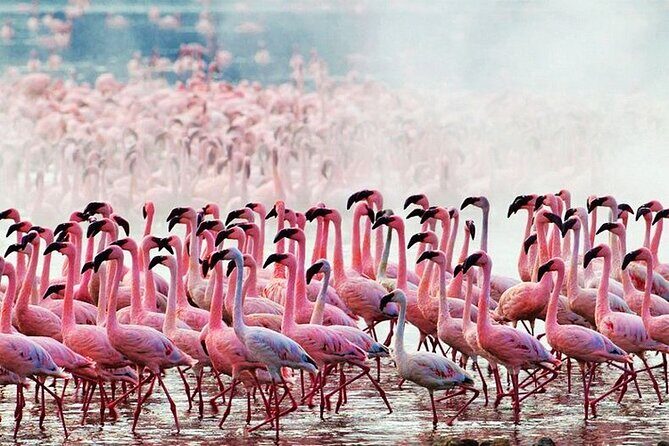
- Guaranteed elephant sightings plus a full mix of plains wildlife around Amboseli’s water sources
- Kilimanjaro at golden hours with sunrise and sunset timing built into the schedule
- Observation Hill walk (1 hour) with the one spot in the park where you can get out and view 360 degrees
- Maasai village option for an interactive cultural stop tied to your Day 2 pacing
- Pop-up roof safari vehicle to make it easier to see animals during drives
- Meals + park fees included, so you can budget without surprise park-entry costs
Two Days in Amboseli: How This Safari Works in Real Life
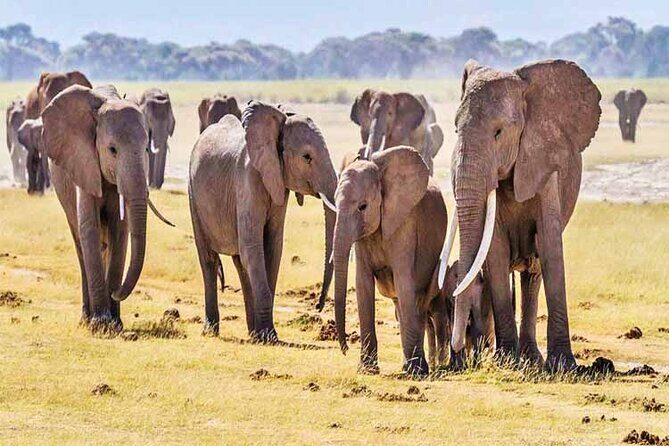
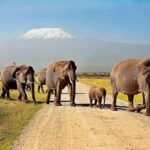
Amboseli National Park is compact, which is exactly why a 2-days/1-night plan works so well. In a short time, you get to cover the areas that matter—elephant country, wide-open grazing zones, and viewpoint stops that help you understand the park’s shape. And because the park sits at the base of Mount Kilimanjaro, you’ll keep building a sense of place as the mountain shows up more clearly at different times of day.
This trip is built around two daily rhythms: when animals are most active and when Kilimanjaro is most visible. The itinerary starts early on Day 1, keeps you out for an afternoon/evening drive, then hits a very early wake-up on Day 2. If you like wildlife photography, this timing is a big deal. If you hate mornings, you’ll still have a good day—but you’ll want to be mentally ready for the early start.
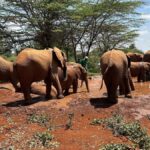
The “guaranteed elephant sightings” promise matters here because Amboseli’s elephants are not just a random bonus. Elephants are tied to the park’s water flow and wetlands, so they tend to show up when conditions are right. Even with other wildlife, elephants tend to anchor the experience and help you judge whether the day is delivering.
You can also read our reviews of more evening experiences in Nairobi
Nairobi Morning: Pickup Timing and the Emali Stretch Stop
Your day begins with Nairobi pickup starting around 6:00 AM, with adjustments possible if you contact the operator in advance. You’re also given a start time for meeting, so expect some variation depending on how your specific group is routed. Either way, plan to be ready early—this safari is designed to get you into the park for the right light and the right animal activity windows.
On the way, you stop in Emali, a transit town where travelers and truck drivers break up the route. It’s also tied to historic trading between Maasai and Kamba communities. Practical value: this stop gives you a chance to stretch, use facilities, and grab a quick breakfast before you enter full safari mode.
If you’re worried about the long drive, focus on what’s happening during transit. You’re moving from the city world into Kenya’s townships and open road scenery, and the day feels less like “travel punishment” because the Emali stop breaks things up. Still, if you’re sensitive to early mornings, the best tip is simple: sleep early the night before and keep snacks handy so you don’t get hangry halfway down the highway.
Day 1 in Amboseli: Lunch, Afternoon Game Drive, and Sunset Light
After pickup, you drive into Amboseli National Park and aim to arrive in time for lunch. That timing is helpful because you don’t just rush straight into the first drive with an empty stomach and tired legs. Lunch sets you up for an afternoon game drive when animals begin to move and feed more actively.
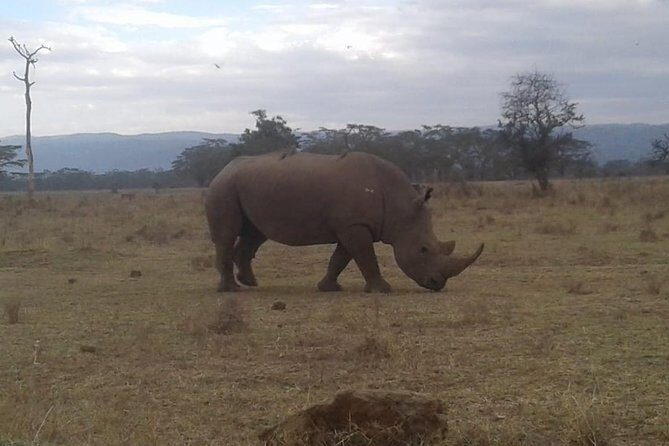
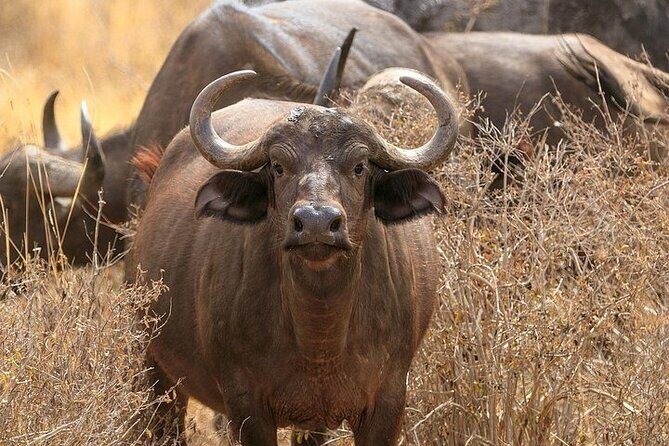
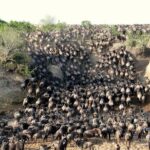
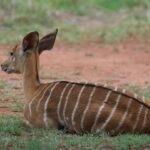
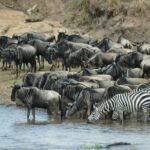
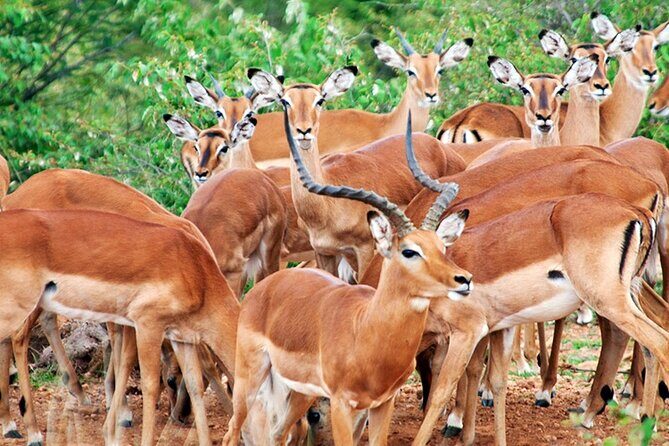
Then comes your first full game-viewing session. The park’s big draw is its herds of elephants, along with other wildlife you’ll often see in the grazing zones: elands, waterbucks, Grant’s gazelles, zebras, warthogs, and Coke’s hartebeests. The key idea is that Amboseli’s animals cluster around water—fed by underground springs that are linked to Kilimanjaro’s melting snow.
As the afternoon shifts toward evening, you stay out late enough to catch Amboseli’s classic golden-hour mood. The sun turning the plains warm helps wildlife stand out, and it also often improves visibility of the mountain. You’re not just waiting around; you’re using the time when animals tend to be most visible and the light makes them easier to spot.
You’ll end Day 1 with dinner and an overnight at a Safari Camp/Lodge. In one example mentioned from past experiences, Sopa Lodge was described as delivering excellent food and memorable views of Kilimanjaro. Even if your exact property differs, the structure is the same: good meals, a real break, and a view-based sense of arrival.
Day 2 Sunrise and the Main Morning Drive: Catching the Mountain and the Wildlife
Day 2 starts early again, with a wake-up designed for sunrise over Mount Kilimanjaro. The goal is to see the mountain when the light first hits, which can change the entire feel of the park in minutes. Morning visibility matters because it’s when the contrast between sky and mountain can be strongest, and it’s also when animals often move more.
After breakfast, you head out for a morning game drive that runs until around noon. This is the heart of your second day. If Day 1 sets the stage, Day 2 is where you build your “full safari picture”: elephants and other grazers, plus the higher-level predators and scavengers that show up when prey is active.
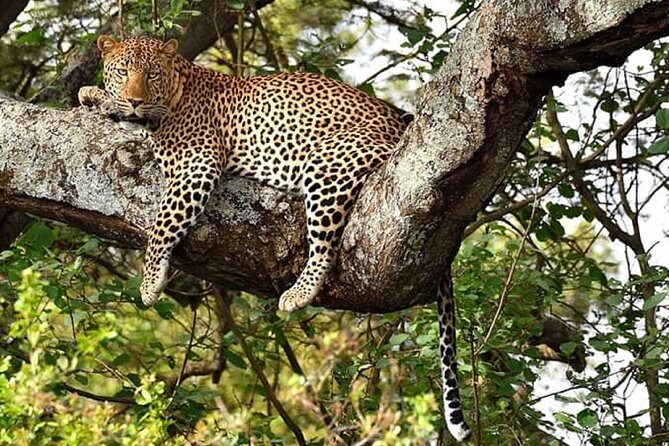
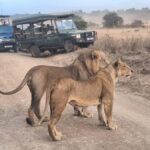
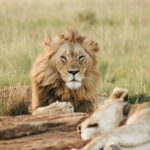
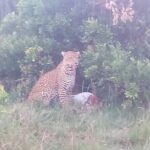
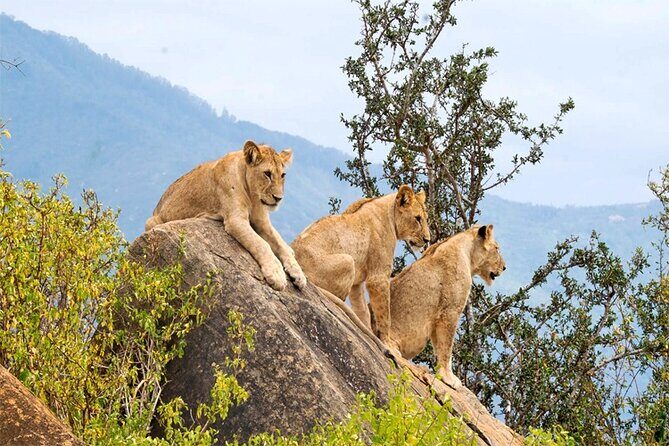
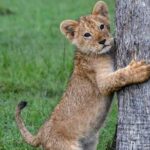
The park’s food chain is part of the magic here. Large prey supports lions, leopards, civets, wildcats, jackals, and hyenas. You might not see every species on every day, but the timing and the structure of your drives increase your odds, especially because Amboseli’s wildlife concentrates around water and open feeding areas.
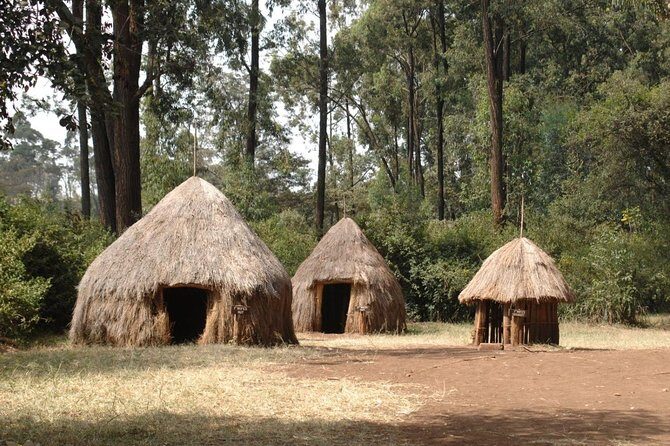
You also get an option to visit a Maasai village on Day 2. The experience is described as interactive, with dancing and jumping—so it’s not a quick photo stop. If you enjoy culture as an active experience, this can add warmth and context to your day after wildlife viewing. If you prefer quiet time or you’re not interested in a structured cultural visit, you can treat it as optional and adjust your interest level accordingly.
Observation Hill: The One Walk That Changes Your View of the Whole Park
One of the most practical highlights is Observation Hill. It’s a cone-shaped hill in the western part of the park, with a volcanic origin formed during Kilimanjaro activity in the Pleistocene. The big reason it’s special for visitors: it’s the only place where you can step out of your vehicle and take a walk.
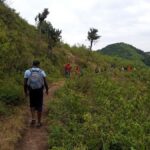
The walk is short—about 1 hour—but it’s not just exercise for exercise’s sake. From the top, you get 360-degree views across Amboseli: marshes, lakes, arid areas, and the broader park pattern. If the day is clear, you may also see Mount Kilimanjaro to the south, which turns the mountain from a distant shape into a geographic reference point.
Why that matters: game drives are great for animals, but viewpoint stops help you understand how the park fits together. After Observation Hill, your next look at the plains feels more intentional. Even if you don’t see the mountain perfectly every day, the hill still helps you connect where you drove with what you’re seeing.
Because you’ll be walking and climbing, it helps if you have moderate fitness. Wear comfortable shoes you don’t mind getting dusty, and keep your water situation in mind.
A few more Nairobi tours and experiences worth a look
The Safari Vehicle Setup: Pop-Up Roof Visibility
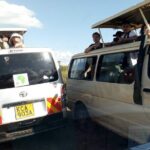
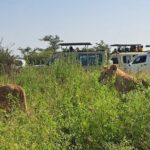
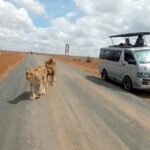
A lot of safari value comes down to visibility, not just where you go. This trip uses a customized safari vehicle with a pop-up roof, which makes it easier to spot animals during drives. You’re not stuck craning your neck the same way across long stretches of road and bush.
That design matters most when wildlife is partially hidden—standing just beyond the line of sight, or moving through grass where details are easier from a higher vantage point. It also makes it easier for your whole group to see without constant repositioning.
The trade-off is that you’ll spend long hours in the vehicle. This is normal for safari days, but it helps to accept it as part of the value. If you like wildlife, you’ll enjoy the flow: sighting, waiting, tracking, and then getting your next view.
Price and Inclusions: What You’re Really Paying For
This safari is priced at $510.00 per person. The real question isn’t just the number—it’s what you get for that amount, especially since Amboseli is far enough from Nairobi that logistics can eat your time and energy fast.
What’s included:
- Pickup and drop-off in Nairobi
- All transportation in a safari vehicle with a pop-up roof
- All park entrance fees
- 1 night accommodation and meals
- Lunch and dinner on Day 1, breakfast on Day 2
- 1 bottled water per person per day
What’s not included:
- Return Day lunch (you’ll need to budget for that on Day 2)
- Tips and gratuities
- Personal items
- Seasonal supplements for specific holiday periods (Easter and New Year dates listed)
For many people, the value comes from bundling. You’re not just buying seats—you’re buying park access, the vehicle setup, and meals. That saves you from juggling too many separate costs while you’re focused on game viewing.
If you want to manage your budget tightly, plan for the Day 2 return lunch and tips. Also remember that holiday periods can add supplements, so check your dates carefully before you commit.
Where You’ll Stay and What Meals Look Like on This Schedule
You’ll have 1 nights accommodation and meals as part of the package, with Day 1 dinner included. Day 1 is built to get you to camp or lodge after sunset viewing, which keeps your energy stable for the next morning’s sunrise wake-up.
Food quality and timing matter on safaris. The better camps and lodges tend to understand that guests need early breakfasts and calm evenings. In an example shared from prior experiences, Sopa Lodge was described as having wonderful food, and the views of Kilimanjaro were a strong part of the stay.
Since the accommodation is listed broadly as Safari Camp/Lodge, assume the exact property may vary by availability. But you can still expect the rhythm: a proper meal after a long day, then a night that lets you wake up ready to go.
Who This Safari Suits Best (and Who Might Want Another Option)
This trip is a strong fit if you:
- Want a high-impact itinerary in only 2 days
- Care about elephants and want a plan designed around Amboseli’s water-driven wildlife concentration
- Like sunrise and sunset scenery, especially with Kilimanjaro in view
- Don’t mind early starts if the trade-off is better game viewing
It may be less ideal if you:
- Hate waking up very early and spending a lot of time in transit
- Prefer a more relaxed pace with fewer early-day commitments
- Want zero walking, since Observation Hill includes a short walk and you’ll need moderate fitness
The Maasai village option is also a factor. If you’d rather spend every minute in the vehicle looking for animals, you can treat that as optional and prioritize the day’s viewing time instead.
Should You Book This 2-Day Amboseli Safari from Nairobi?
If your priority is seeing elephants and getting Kilimanjaro views without wasting days traveling, this is an easy yes. The schedule is tight in a good way: you get an afternoon drive with sunset light on Day 1, then a sunrise start plus another major game drive on Day 2, and you add Observation Hill for a park-wide perspective.
I’d book it if:
- You want a well-timed safari where the morning and evening matter
- You’re comfortable with long days and early wake-ups
- You’re okay with a short walk and a moderate fitness level
I’d think twice if:
- You want a slow, lazy vacation pace
- You’re hoping for a detailed cultural immersion beyond the Maasai village option
- You’re likely to struggle with the early morning schedule
Overall, this is a practical, value-minded way to experience Amboseli’s wildlife and Kilimanjaro presence fast—especially if you’re ready for those dawn and dusk viewing windows that make the whole place feel special.
FAQ
How long is the Amboseli safari?
It runs for 2 days (about 2 days total) with 1 night of accommodation.
What does the trip cost?
The price is $510.00 per person.
What time is pickup in Nairobi?
Pickup starts at around 6:00 AM Nairobi time. You can contact the operator in advance for adjustments, and a meeting time is also provided at booking.
Are meals included?
Yes. You’ll have lunch and dinner on Day 1, breakfast on Day 2, and dinner is included as part of the overnight package.
Is park entrance included in the price?
Yes. All park entrance fees are included.
What kind of vehicle will I ride in?
You’ll travel in a customized safari vehicle with a pop-up roof for easier game viewing. Pickup and drop-off in Nairobi are included.
Is Mt. Kilimanjaro part of the experience?
Yes. The itinerary is designed for sunrise viewing of Mount Kilimanjaro and also includes time for late-afternoon sunset viewing.
Can I visit a Maasai village?
You have an option to visit a Maasai village on Day 2. It is described as interactive, with dancing and jumping.
What is Observation Hill?
Observation Hill is a cone-shaped hill in the western part of the park where you can get out of your vehicle and take a walk. The visit is about 1 hour and offers 360-degree views, and on clear days you may see Mount Kilimanjaro to the south.
Can I get a refund if my plans change?
You can cancel up to 3 days in advance for a full refund. If you cancel less than 3 full days before the experience start time, the amount paid is not refunded.