REVIEW · NAIROBI
12 Days Kenya Tanzania wildlife Joining Tour
Book on Viator →Operated by African Paradise Safaris · Bookable on Viator
Savanna chasing begins with one Nairobi museum stop. This 12-day Kenya Tanzania wildlife run is built for steady game drives, and it’s set up to run with departures going out daily. You’ll target the Big Five and other favorites across Kenya’s Rift Valley and Tanzania’s classic safari circuit, with the African Paradise Safaris team handling pickups and transfers.
I love the feel of this plan: it’s a small group max (6 travelers), which usually means more space to ask questions and stay organized on long drive days. I also like that your schedule lists admission tickets included on the stops that matter, so you’re not constantly guessing what’s extra.
One thing to consider: pacing and timing can shift on the Tanzania portion, so you should confirm your exact overnight counts and day-by-day plan in writing before you pay. If you’re expecting a very specific number of nights in the Serengeti, treat that as a must-lock detail.
In This Review
- Key things I’d circle before you book
- Nairobi National Museum start: easy jet-lag warm-up
- Maasai Mara: river country, Big Five odds, and lion focus
- Mara Triangle day: morning rhythm and the migration storyline
- Lake Nakuru: Rift Valley birds, rhinos, and a smaller park feel
- Amboseli National Park: elephants, Kilimanjaro moods, and two strong days
- Arusha Village Experience and the Kenya-to-Tanzania handoff
- Tarangire via Lake Manyara en-route: baobabs and dry-season energy
- Serengeti: hippo pool evenings, then full days of predator spotting
- Ngorongoro Crater: your descent day for big-herd drama
- Price and logistics: what your $2,890 actually buys you
- How African Paradise Safaris typically feels in real life
- Who this safari fits best
- What to pack and how to prep (so you enjoy every drive)
- Should you book this 12-day Kenya Tanzania safari?
- FAQ
- How long is the Kenya Tanzania wildlife safari?
- Where does the tour start?
- What does the tour price include?
- Is the hot-air balloon safari included?
- What parks and major areas are visited?
- Where do you sleep during the Kenya and Tanzania parts?
- Are meals included?
- How big are the groups?
- What is the cancellation window?
Key things I’d circle before you book
- Max 6 travelers: a smaller group for a safari that moves through multiple parks.
- Admission tickets included: park-entry admissions are listed as included across the itinerary stops.
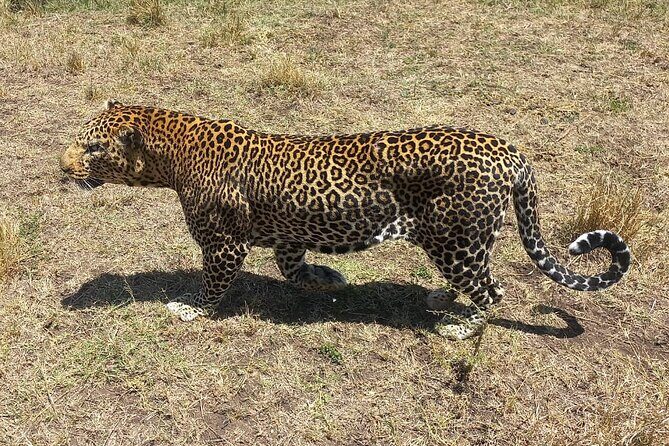
- Maasai Mara focus on predators: lots of lion territory plus chances for cheetah and leopard.
- Amboseli gets two full days: more time for elephant herds and possible Kilimanjaro views.
- Serengeti even outside migration: game viewing still comes with predators drawing in the grazers.
- Ngorongoro Crater is the payoff moment: descent for lion, elephant, and rhino odds (if you’re lucky).
Nairobi National Museum start: easy jet-lag warm-up
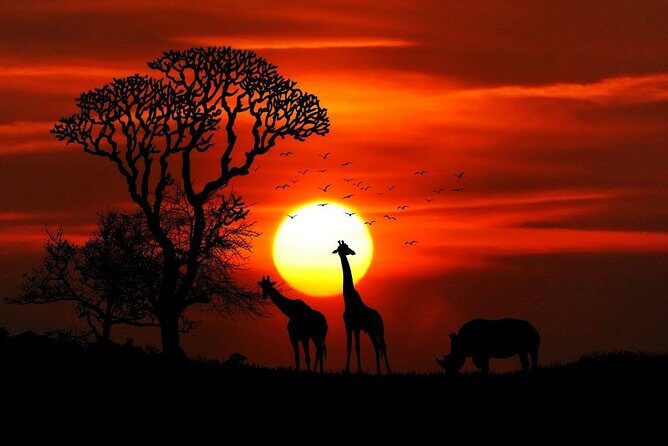
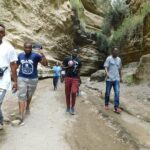
Your trip kicks off in Nairobi after you land at Jomo Kenyatta International Airport. You’re met and picked up by an African Paradise Safaris guide, then transferred to your city hotel to rest. If your arrival timing is friendly, you may fit in a short city tour before calling it a night.
The Nairobi National Museum stop is a smart first-day choice. On a safari, the biggest stress is usually your body clock and your patience. A museum day gives you controlled movement, a chance to get oriented, and a low-pressure way to start learning what you’re about to see. You’ll have the museum admission ticket included for this stop.
For your sanity, I’d do two practical things on day one: keep your daypack ready (camera, charger, light layer), and sleep early enough that you don’t feel like you’re running in slow motion on day two.
A few more Nairobi tours and experiences worth a look
Maasai Mara: river country, Big Five odds, and lion focus
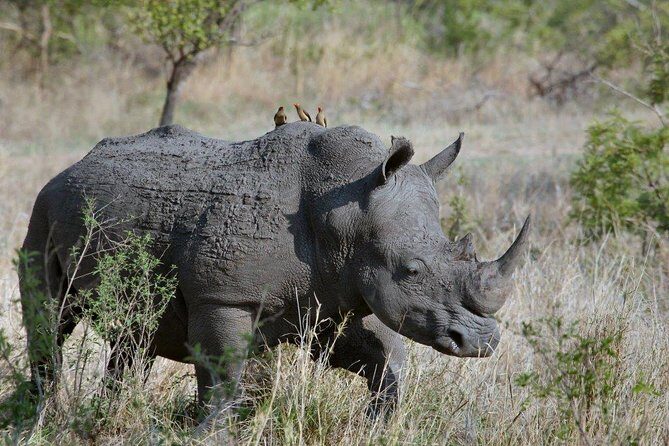
Maasai Mara is where your safari rhythm locks in. You drive south to the Maasai Mara National Reserve and arrive in time for lunch, then get an afternoon game drive. Mara is described as a low-hill, rolling-grassland system with gallery forest along the Mara River and tributaries. That mix matters because it creates more variety in animal movement and viewing.
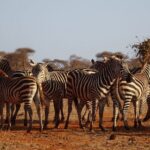
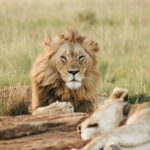
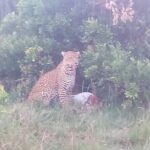
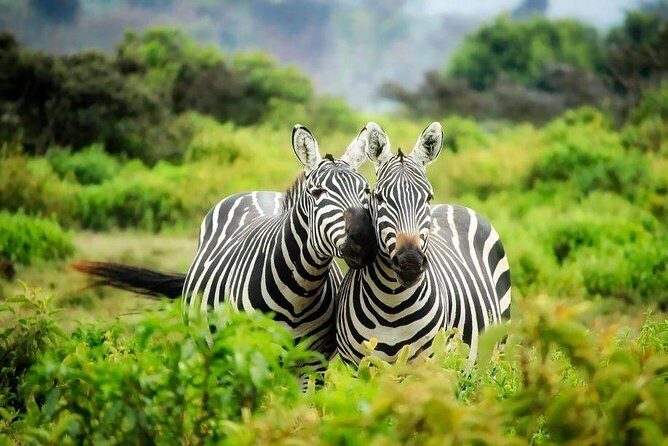
This is also the part of the trip that leans into predators. The itinerary highlights herbivores like elephants and rhinos, plus buffalo, antelopes, Masai giraffes, and Burchell zebra. On the carnivore side, you’re in the zone for black-maned lions, cheetah, and leopard. Birdlife is also a big deal here—expect large birds like the Masai ostrich and other species such as secretary birds and crested cranes when conditions line up.
What I like about this setup is that day two isn’t a single long “squeeze everything in” drive. It’s lunch first, then game time. You’re not rushing from dawn to dusk with no breathing room. You’re building to it.
Mara Triangle day: morning rhythm and the migration storyline
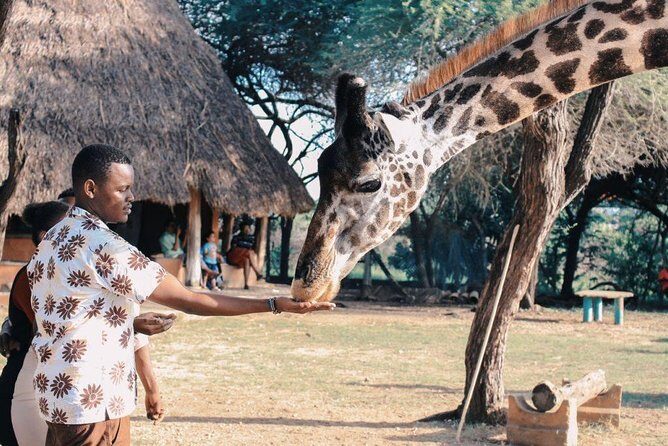
On the Mara Triangle day, you can add an optional early morning balloon safari. It’s listed at US$450 per person, which is the kind of add-on that can either feel like a dream or like an unnecessary splurge. If you hate heights or you’re budget-tight, skip it and invest that money in better binoculars or an extra souvenir fund. If you love epic views and you don’t mind that hot-air balloons are weather-dependent, this is the one add-on that can feel genuinely different from typical game drives.
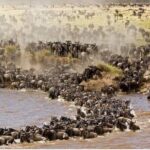
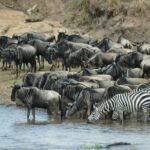
After breakfast, you get morning and afternoon game drives. This part of Mara is treated as an extension of the Serengeti ecosystem to the south, so the itinerary frames it as prime for the Great Migration story—more than 1.5 million wildebeest crossing the Mara River, plus other antelopes.
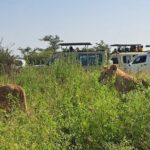
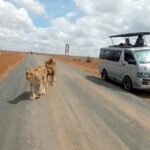
Even if migration timing isn’t peak, Mara still delivers. The plan emphasizes lions (including black-maned males) and frequent elephant sightings in herds. It also flags rhino chances and the possibility of cheetah and leopard for lucky days. That’s not a guarantee in the safari sense, but it does tell you the route and target areas are focused.
Lake Nakuru: Rift Valley birds, rhinos, and a smaller park feel
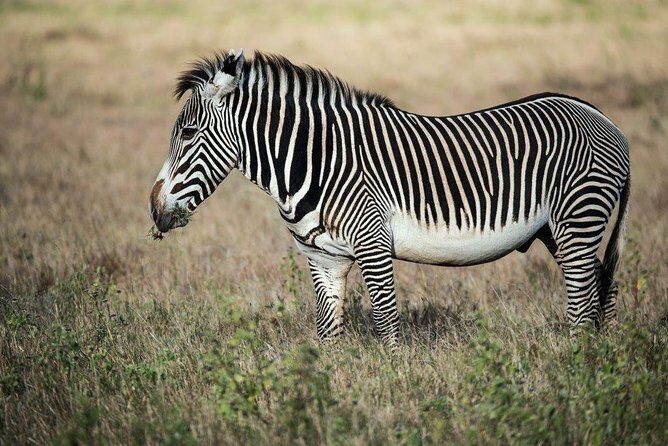
Then you shift to Lake Nakuru National Park, waking up to elephants moving in the area and bird sounds. This is one of those “Rift Valley pace changes” days. You move from Maasai Mara’s open savanna vibe into a park where over half the area is covered by the lake.
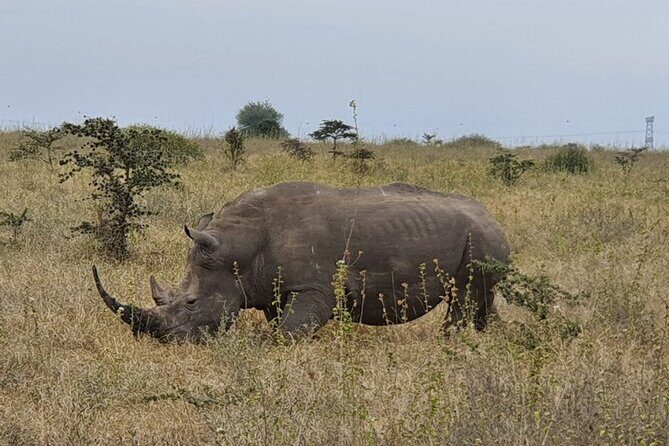
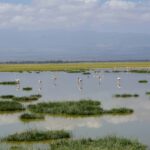
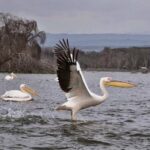
Lake Nakuru is a smaller park, and that size difference often helps the viewing experience. When you have less ground to cover, you can sometimes spend more time on the animals you find rather than searching too far. The itinerary calls out Rothschild giraffes, lions, white and black rhinos, and leopard depending on luck. Birdwatchers get their time too. The park is pitched as an ornithological paradise, so if you enjoy spotting species through binoculars, this is a good day to slow down.
The drawback risk here is simple: if you’re expecting the huge-scale predator action of Mara, you might feel less swept up. But if you love diversity—rhinos, birds, and the odd surprise—this is a day that can deliver.
Amboseli National Park: elephants, Kilimanjaro moods, and two strong days
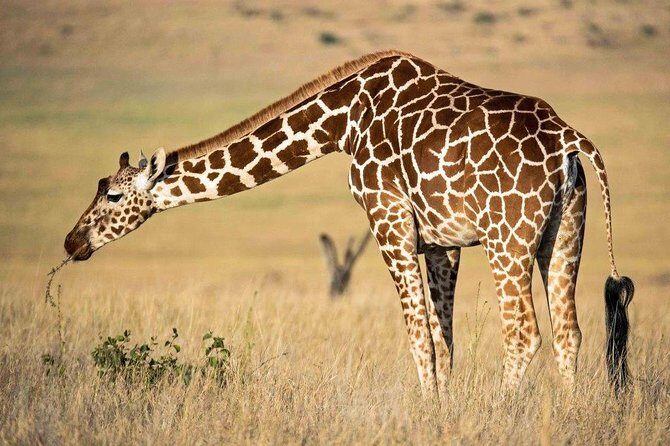
Amboseli is your next big animal target, and it’s scheduled as two days of park time. You get a hot breakfast, then head into the park and arrive around lunchtime for check-in and an afternoon game drive. That’s already helpful—less time sitting in transit, more time in the field when wildlife is active.
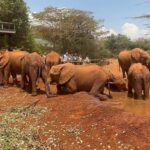
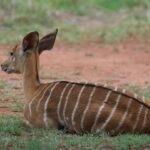
Amboseli is known for big herds of elephants, cheetahs, lions, gazelles, and the elusive eland. The itinerary also notes that weather permitting, you may catch views of Mount Kilimanjaro. Even when the mountain is hiding, the elephant-and-sky combo can still be stunning.
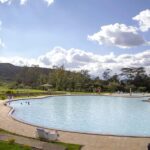
Day five’s stay includes Kimana Camp with full board meals. That matters for value because you’re paying for safari logistics and food structure, not just a seat in a vehicle. Day six then gives you a full day: morning game drive, lunch at leisure back at the lodge, then another afternoon game drive.
This two-day Amboseli block is one of the best parts of the plan for two reasons. First, it increases your odds of different animal encounters. Second, it reduces the “one-and-done” feeling you get on some multi-park itineraries.



Arusha Village Experience and the Kenya-to-Tanzania handoff
This is the day you leave Kenya’s rhythm and transition into Tanzania through Namanga. After immigration, you connect to a shuttle bus for about 1 hour 20 minutes to Arusha, then you’re picked up and transferred to the house for lunch. You stay overnight at Mama Wilsen house.
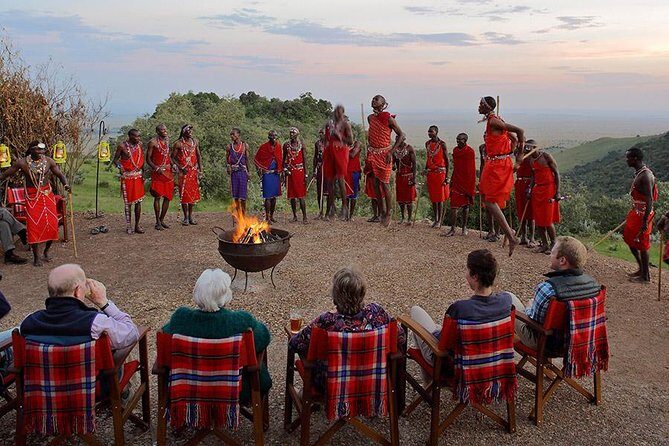
The Arusha Village Experience is brief in the way it’s scheduled (it’s listed as one day), but it can be a useful “human scale” break from constant wildlife driving. It’s also practical. After parks that feel wide and remote, a village stop can help you refocus: you get a window into how people live around the safari circuit.
Just keep your expectations realistic. This isn’t a long cultural immersion day by itself. It’s more like a pause that keeps you from feeling like wildlife is the only theme of the trip.
Tarangire via Lake Manyara en-route: baobabs and dry-season energy
Next up is Tarangire National Park, with an en-route game drive at Lake Manyara Park. That means your day isn’t only one long drive into Tarangire and then game time. You get wildlife viewing before you even check in.
Tarangire’s main feature is the Tarangire River. In dry conditions it becomes a magnet area, so animals concentrate where water can be found. The plan also notes thick vegetation like acacia shrubs and mixed woodlands, plus the famous presence of huge baobab trees—dotted across the park.
The elephant story here is strong. The itinerary mentions herds of up to 300 elephants looking for underground streams in the dry riverbeds. That kind of concentration can make for great viewing and calmer photographic opportunities than you sometimes get on more scattered terrain.
You’ll check in, have lunch, then later an afternoon game drive. This “arrive, settle, then drive” structure is good if you want to avoid feeling rushed right after a transfer day.
Serengeti: hippo pool evenings, then full days of predator spotting
Your Serengeti arrival day includes an en-route game drive, a picnic lunch, and arrival in the evening. You then enjoy an evening game drive and return for dinner and leisure.
Evening drives can be magical. Light goes soft, animals move differently, and it’s often easier to catch predators in the act of hunting rather than just hanging around. The itinerary’s wording points to Serengeti’s value even when migration is not in full swing: you can still see huge herds of buffalo, eland, topi, waterbuck, impala, and Grant’s gazelles. The key idea is that grazers bring predators.
Day ten is a full day of exploration with morning and afternoon game drives. You’ll have breakfast, then go out with a packaged lunch or lunch at the lodge depending on what you choose. You return late afternoon or on request. Staying flexible can help if you spot something great and don’t want to leave it too soon.
One important practical note: the itinerary uses Seronera campsite at this stage. Campsite stays tend to feel more basic than lodges. If your idea of comfort includes private hot showers and quiet corners, you should mentally prepare for the more practical side of safari living.
Ngorongoro Crater: your descent day for big-herd drama
Your Ngorongoro day starts with a morning game drive in Serengeti, then a drive to the Ngorongoro Conservation Area. You’ll stay overnight at Simba Campsite with a view of the crater floor. That sounds like a small line, but it matters. Knowing you’re waking up to a crater scene can change how you feel the night before. It’s like your safari is waiting in the wings.
The next day is crater-focused. You descend into Ngorongoro for a crater tour. The itinerary frames it as a world heritage site and highlights the caldera size—about 246 square km—with cliffs around 600 meters high. You’re told to expect big animals: elephants to lion, plus zebra and wildebeest in large herds. If you’re lucky, the itinerary mentions the near-extinct black rhino.
This is one of those “do it once” experiences on many safari lists. Even if you’ve seen predators before, Ngorongoro’s enclosed bowl can make the whole wildlife scene feel more concentrated.
Practical tip: crater days can be visually intense. Bring enough water, protect your lenses, and plan to take breaks rather than sprint through the viewing points like you’re trying to win a race.
Price and logistics: what your $2,890 actually buys you
At $2,890 per person for a roughly 12-day safari, this package is positioned as pocket-friendly. Whether it’s a deal depends on what’s included and how well it matches your expectations.
Here’s what you can count on from the tour details:
- Pickup offered and you’re met at arrival.
- Mobile ticket is listed.
- The itinerary repeatedly notes admission tickets included on the key stops.
- The trip runs with daily departures, so you’re not stuck waiting weeks for a single departure date.
- Group size is capped at maximum 6 travelers.
What you should double-check before booking is how changes are handled. One part of the provided feedback points to schedule changes in Tanzania without notice, including a reduction in Serengeti time compared to what was planned. That doesn’t mean every departure is messy. It does mean you should lock your expectations. Ask for a written confirmation of overnight counts and the timing of park days—especially around Serengeti.
Also note the starting rhythm: start time 8:00 am. Early starts are normal on safari routes. If you’re the type who needs long mornings, build in calm, and don’t treat every day like a late breakfast day.
How African Paradise Safaris typically feels in real life
The tour provider is African Paradise Safaris. In the feedback you provided, the company support is praised for being helpful when things felt uncertain. Communication and payment handling are described as seamless and professional in at least one positive note, with John Peter named as part of a reliable service experience.
That’s encouraging, but I still treat any safari with a “confirm the details” mindset. Ask who your guide is for your dates. Ask which nights are booked in which areas. If the day-to-day plan changes, you’ll want it explained clearly.
Who this safari fits best
This safari is a strong match if you:
- Want the classic arc of Kenya + Tanzania in one go without switching companies midstream.
- Care about seeing the Big Five and want time allocated to the right parks.
- Like small-group travel with room to ask questions.
- Prefer a route that keeps moving through major highlights: Maasai Mara, Lake Nakuru, Amboseli, Tarangire, Serengeti, then Ngorongoro.
It might feel less perfect if you:
- Are picky about exact overnight counts.
- Need a very high level of lodging comfort every night.
- Hate the idea of schedule changes and want zero flexibility risk.
What to pack and how to prep (so you enjoy every drive)
Even though safari conditions vary by season, you can prepare using basic logic. Bring clothing that works in sun and cool mornings. Pack a light layer even if days feel warm. You’ll likely do early starts, and the itinerary includes optional very-early activity with balloon timing.
Camera-wise, you’ll be bouncing between landscapes of grassland, lake edge, river corridors, and crater views. Use a setup that covers both wide shots and close-ups. Binoculars are worth their weight in gold when you’re scanning open areas for movement.
Lastly: hydrate. Game drives can make you forget you’re moving all day. It sounds basic, but it’s the easiest way to feel better.
Should you book this 12-day Kenya Tanzania safari?
If your priority is a route that hits the major wildlife icons—Maasai Mara, Lake Nakuru, Amboseli, Tarangire, Serengeti, and Ngorongoro—and you like the idea of a small group max of 6 with admission tickets included, this is a solid value-focused safari plan.
I’d book it if you do one homework task first: get written confirmation of your exact Serengeti and Ngorongoro timing. The itinerary is built to deliver big wildlife days, but the pacing is the part you have to protect.
If you want a safari that feels flexible and you’re okay treating it as an adventure with possible adjustments, you’ll probably enjoy it a lot. If you’re a schedule absolutist, you’ll want extra clarity before you commit.
FAQ
How long is the Kenya Tanzania wildlife safari?
It’s listed as 12 days (approx.).
Where does the tour start?
It starts in Nairobi, Kenya, with arrival at Jomo Kenyatta International Airport and pickup arranged by the tour guide. The meeting/start time is listed as 8:00 am.
What does the tour price include?
The tour price is $2,890 per person, and the itinerary lists admission tickets as included for the listed stops. Pickup is also offered, and a mobile ticket is included.
Is the hot-air balloon safari included?
No, it’s optional. The balloon safari is listed at US$450 per person on the Mara Triangle day.
What parks and major areas are visited?
You’ll visit Maasai Mara (including Mara River and Mara Triangle), Lake Nakuru, Amboseli National Park, Arusha Village Experience in Arusha, Lake Manyara en-route, Tarangire National Park, Serengeti National Park, and Ngorongoro Crater / Ngorongoro Conservation Area.
Where do you sleep during the Kenya and Tanzania parts?
You have an Ibis style hotel stay on the Nairobi arrival day. Later stays include Kimana Camp with full board meals at Amboseli, Mama Wilsen house in Arusha, Seronera Campsite during the Serengeti segment, and Simba Campsite overnight before the Ngorongoro descent.
Are meals included?
The itinerary specifically lists full board meals at Kimana Camp during the Amboseli portion. It also notes a picnic lunch and packaged lunch options on Serengeti days. For other stops, meals are described generally by the day’s flow, without extra detail beyond what’s stated.
How big are the groups?
The maximum group size is listed as 6 travelers.
What is the cancellation window?
You can cancel up to 6 days in advance for a full refund, and different refund percentages apply if you cancel closer in time.