Kibera isn’t a postcard. It is day-to-day life in Africa’s largest urban informal settlement, shared in a private 3–4 hour visit with real people, Kenyan street food, and hands-on learning through a local guide.
I like that the experience is private and focused on cross-cultural exchange inside Kibera, not a drive-by photo stop. I also like that you get a traditional Kenyan food lesson along the way, plus time for community interaction and street art projects.
One thing to consider: Kibera is a low-resource environment. The sights and sounds can feel shocking at first, so you’ll want a calm, respectful mindset.
In This Review
- Key things to know before you go
- Kibera in 3–4 Hours: What This Tour Really Delivers
- Pickup From Ngong Road and the Day’s Rhythm
- Why a Local Private Guide Changes Everything
- Entering Kibera: Walks, Conversations, and Street Art You’ll Remember
- A Traditional Kenyan Cooking Lesson (and Why Food Is the Best Translator)
- Street Food Stops: What You Can Expect to Learn While You Eat
- Community Visits and Home-Style Moments
- Price and Value: Is $40.90 a Good Deal?
- Logistics That Actually Matter: Tickets, Timing, and Pace
- Who This Tour Fits Best (and Who Might Skip It)
- Should You Book Tembea Kibera?
- FAQ
- How long is the Tembea Kibera tour?
- Do you offer hotel pickup and drop-off?
- Is this tour private?
- What is included in the experience?
- What are the tour hours?
- What happens if the weather is poor?
Key things to know before you go

- Private half-day format: your group goes together for about 3 to 4 hours.
- Pickup and drop-off: you can be picked up from hotels or commercial addresses along Ngong Road.
- Community interaction: you spend time meeting people and learning how life works in Kibera.
- Food is part of the program: Kenyan street food and a traditional cooking lesson are included.
- Street art stops: you’ll see street art projects as part of the experience.
- Good weather matters: the tour runs with good weather expectations.
Kibera in 3–4 Hours: What This Tour Really Delivers

This is a half-day tour built around lived experience, not sightseeing. You’re going into Kibera, Nairobi’s large informal settlement, and spending time with the people who live there every day.
The structure matters. A private 3–4 hour window gives you enough time to walk, talk, and eat, without dragging it into an all-day schedule. That pace is especially helpful when the environment is intense.
You can also read our reviews of more tours and experiences in Nairobi.



Pickup From Ngong Road and the Day’s Rhythm

If you’re staying on or near Ngong Road, pickup and drop-off can make the trip much easier. The tour is set up so you can start from a hotel or commercial address there, then return to the same general convenience level when you’re done.
The tour window runs daily from 7:00 AM to 6:00 PM, so you can usually fit it into a morning or late afternoon plan. It’s also listed as near public transportation, which can be useful if you’re not relying on hotel pickup every day.
One practical note: since the experience requires good weather, you’ll want to keep an eye on forecasts. If weather turns, you may be offered a different date or a full refund.
Why a Local Private Guide Changes Everything
This tour is private, meaning it’s just you and your travel companions. That’s not a small detail. In a community-based visit like this, the pace and the conversations matter, and a private group helps keep things respectful and manageable.
One guide name that shows up clearly in feedback is Luca, and the common thread is a personal connection to the area. In one account, Luca even handled transport by matatu and explained how the system works, along with matatu culture—so you’re not just arriving. You’re understanding how people get around.
That local perspective shows up again in the way the day is framed: it’s not only what Kibera looks like, but how people support one another, solve problems, and build community life under pressure.
Entering Kibera: Walks, Conversations, and Street Art You’ll Remember
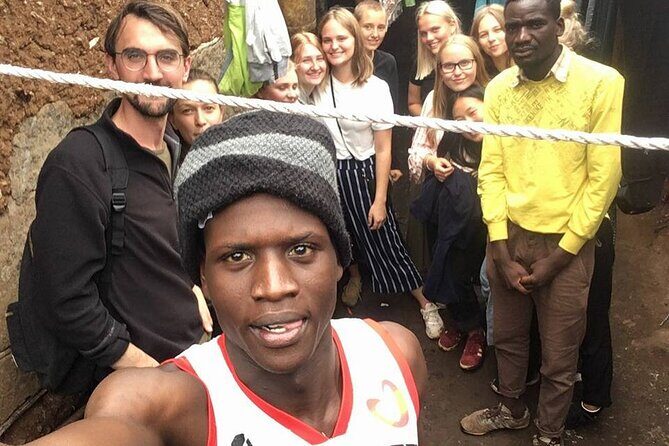
Inside Kibera, you should expect a walk-and-talk style visit. The point isn’t to separate you into a checklist. It’s to help you see the everyday rhythm—how people live, how they work, and how neighborhoods function.
Street art is part of what you’ll see. In feedback, that theme comes up alongside community visits. You’ll likely notice that the art isn’t decoration for outsiders. It’s part of how people express identity and push back against stereotypes.
And yes, there are moments that feel heavy. One review described the environment as potentially shocking for people from developed countries—but balanced it with something human and hard to ignore: the smiles of children and the persistence you see through daily life.
A Traditional Kenyan Cooking Lesson (and Why Food Is the Best Translator)

This tour includes both Kenyan street food and a lesson in preparing traditional Kenyan food. That’s one of the best ways to turn cultural learning into something you can actually hold onto.
Food does a few jobs at once:
- It creates a reason to ask questions.
- It makes conversation feel natural, not forced.
- It gives you a skill you can repeat later, so the memory doesn’t fade after the photos.
In practical terms, plan to stay open-minded with flavors and routines you might not know. And when you’re eating, keep pace with what’s offered—this is a learning experience, not a performance.
If you’re the type who loves markets, street-level food, and cooking demonstrations, this is the part of the day you’ll probably rate as the highlight.


Street Food Stops: What You Can Expect to Learn While You Eat

You’ll try Kenyan street food as part of the program. The details of specific dishes aren’t listed, but the intent is clear: you’re tasting foods that are part of everyday life, not just tourist plates.
What’s valuable here is the context. The tour’s focus is on local life and local explanation—so you’re not eating in a vacuum. You should come away with a better sense of what people rely on and how food fits into daily schedules.
One review also emphasized the idea of innovation in survival—how communities manage sustenance and keep going. Food often sits at the center of that story, because it’s a daily reality, not an occasional event.
Community Visits and Home-Style Moments

A key theme in the feedback is getting welcomed into real spaces. One account described being accepted in a typical home, meeting a family, and discussing habits, difficulties, and daily life in a direct way.
You may also visit multiple organizations as part of the broader community focus. In at least one review, the day included visits to three organizations that work on improving life through their projects.
This kind of access is powerful, but it comes with a responsibility on your end. Keep your curiosity grounded. Listen more than you talk. Treat conversations like a sharing moment, not a show-and-tell where you collect stories like souvenirs.
Price and Value: Is $40.90 a Good Deal?

At $40.90 per person, you’re paying for a private half-day with guide support, pickup/drop-off along Ngong Road, community interaction time, street art viewing, Kenyan street food, and a traditional cooking lesson. Admission is also listed as included.
So the value isn’t just the guide time. It’s also the access and structure. Community-based tours require careful coordination and local relationships, and that usually costs more than a standard city walk.
Also, the booking trend is telling: the tour is commonly reserved about 71 days in advance on average. That often means people plan ahead because they want the day to work in their Nairobi schedule.
If you want a bargain-only sightseeing day, this isn’t the cheapest option. But if you want a meaningful slice of Nairobi life—with food and conversation included—this pricing looks fair.
Logistics That Actually Matter: Tickets, Timing, and Pace
A few details can help you plan smoothly:
- Mobile ticket: you’ll have a digital ticket rather than paper.
- Duration: expect around 3 to 4 hours.
- Private group: only your group participates.
- Operating hours: 7:00 AM–6:00 PM, Monday through Sunday.
Since it’s a private tour, you’ll also be more flexible within the time window. If your group has questions, the format is designed to handle conversation.
The big watch-out is weather. Because the tour runs in good conditions, you’ll want to keep an eye on changes and be ready to adjust if needed.
Who This Tour Fits Best (and Who Might Skip It)
This tour is ideal if you want:
- a private cultural exchange that goes beyond a quick photo,
- local food learning (street food plus a cooking lesson),
- a chance to talk with people and understand how community life works.
It can also be a strong choice for people who like guided context. You’ll get explanations as you move through the day, which makes the experience easier to process.
Who might reconsider? If you avoid emotionally intense settings or you’re only looking for major monuments and classic Nairobi landmarks, you might not get the kind of payoff you want. Kibera is real life, not a curated museum.
Should You Book Tembea Kibera?
I’d book it if your goal is to understand Nairobi through its neighborhoods, not only around them. The private format, the community interaction, the street art element, and the food-focused learning are a strong mix for a half-day.
I’d also book it if you can handle a serious environment with respect. If you go in with patience and a listener mindset, the day can be moving in a way that stays with you.
FAQ
How long is the Tembea Kibera tour?
The tour lasts about 3 to 4 hours.
Do you offer hotel pickup and drop-off?
Yes. Pickup and drop-off are provided from any hotel or commercial address along Ngong Road.
Is this tour private?
Yes. It is a private tour/activity, and only your group participates.
What is included in the experience?
The experience includes an admission ticket, Kenyan street food, and a lesson in how to prepare traditional Kenyan food.
What are the tour hours?
It runs daily, Monday through Sunday, from 7:00 AM to 6:00 PM.
What happens if the weather is poor?
This experience requires good weather. If it is canceled due to poor weather, you’ll be offered a different date or a full refund.