REVIEW · NAIROBI
Nairobi Storytelling Tour with Former Street Kids
Book on GetYourGuide →Operated by Nai Nami - Our Streets. Our Stories. · Bookable on GetYourGuide
Former street kids tell Nairobi like no one else. This storytelling walking tour puts you on Nairobi’s Downtown streets through the eyes of guides like Typhoon, Tsunami, Morgan, Priest, and King—people who grew up in the city center and rebuilt their lives. I especially like the tight guide-to-visitor ratio (max 2 guests per guide) and the fact that you share a real lunch with the storytellers, not just stand and listen. The one downside to plan for: the stories can be heavy, and you should go in emotionally ready for tough realities.
The structure is simple and human. You’ll meet near the Bata Shoe shop in Witalii Lane (opposite Kencom Bus Station, City Hall-Way), then spend about 150 minutes walking, learning local context, and hearing how these guides survived, changed course, and keep helping their families and friends. In the reviews, people repeatedly mention that they felt safe, even when the walk moves into tougher areas.
In This Review
- Key things you’ll notice on this Nairobi tour
- Storytelling on foot: what makes this tour different in Nairobi
- Meeting point and timing: Witalii Lane, City Hall-Way, and a 150-minute walk
- How the guide system works: two visitors per guide and extra watchful eyes
- What you’ll actually do during the walk (and why it matters)
- Lunch in the middle: when the tour turns from raw to hopeful
- Where the route goes: Downtown Nairobi, plus less-visited youth communities
- Safety and comfort: what you should know before you go
- Price and value: is $45 worth it for this kind of Nairobi tour?
- Who this Nairobi storytelling tour suits best
- Should you book this tour?
- FAQ
- FAQ
- How long is the Nairobi Storytelling Tour with Former Street Kids?
- Where do I meet the guide?
- Is this tour only for small groups?
- What’s included in the price?
- What language is the tour guide?
- Are cameras allowed?
- What should I bring?
- Is there free cancellation?
Key things you’ll notice on this Nairobi tour

- Former street kids are the guides, so the city feels personal, not staged
- Small group format means real conversation time with your guide, not a crowd
- Downtown walking is the main event, with stories tied to the places you pass
- Local lunch and soft drinks are included, and it’s when the tone often turns hopeful
- Safety is built in, with additional staff watching from the background
- Your money creates job opportunity, turning tourism into work for disadvantaged youth
Storytelling on foot: what makes this tour different in Nairobi

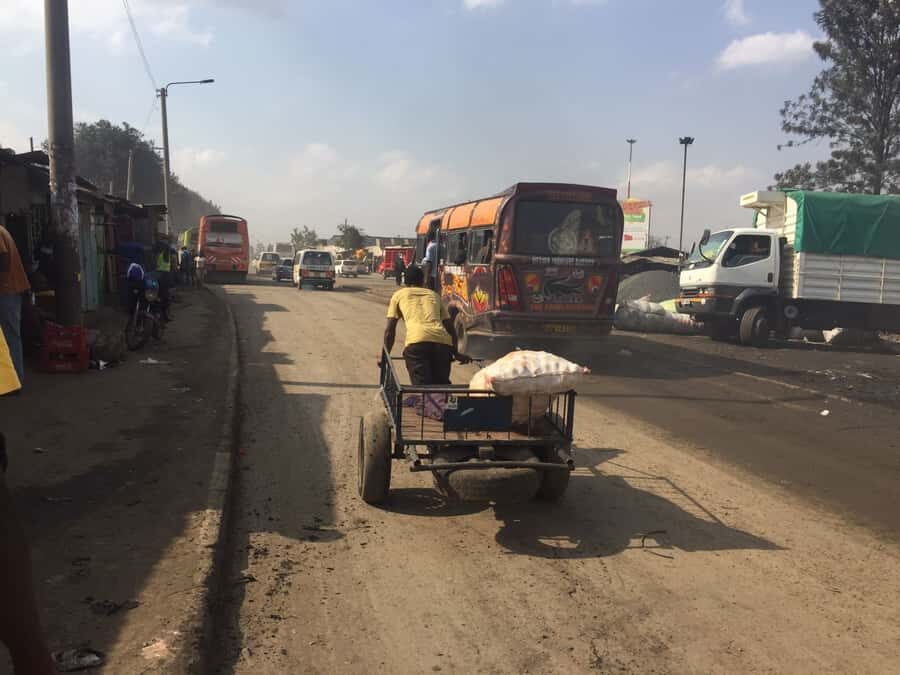
This isn’t the usual Nairobi “sights and photos” loop. The point is the street-level understanding you get when someone narrates their own life while you’re physically walking the streets where it happened. The Downtown area can feel chaotic from a distance, but with a guide who knows the rhythms, it turns into something legible: where people move, what daily survival looks like, and how a young person can go from being overlooked to finding a path forward.
I like that the tour has two tracks running at once. First, you learn Nairobi through story—how the guides ended up on the street, what kept them going, and what they had to learn quickly to stay afloat. Second, you learn what life looks like after change: how they transformed their situation and how they try to improve conditions for the people around them.
The emotional weight is real. You’ll hear about poverty and hardship without sugarcoating. But the tone also often becomes about agency and progress—because these guides aren’t presenting themselves as victims. They’re showing you how they rebuilt their lives and kept going.
You can also read our reviews of more tours and experiences in Nairobi.



Meeting point and timing: Witalii Lane, City Hall-Way, and a 150-minute walk

Your meet-up point is specific: in front of the Bata Shoe shop on Witalii Lane, opposite Kencom Bus Station in Nairobi’s City Hall-Way area. If you’re trying to line this up with other plans, treat it like an afternoon commitment rather than a quick add-on.
The duration is listed as 150 minutes (about three hours). That’s long enough for a real walking circuit with multiple story stops, plus a sit-down lunch. It’s also short enough that you won’t feel like you’ve been “on display” for the whole day—something solo travelers often appreciate.
Practical tip: since it’s a walking tour, wear shoes you don’t mind scuffing on city sidewalks and curbs. Nairobi Downtown foot traffic can be unpredictable, and your guide will set the pace for navigating it safely.
How the guide system works: two visitors per guide and extra watchful eyes

One of the most praised parts of this experience is the intimate guide setup. The format is capped at a small group (limited to 10 participants), and there’s a personal guide structure with a maximum of 2 guests per guide. That matters because the tour isn’t only about hearing a story. It’s about asking questions and getting answers that fit your comfort level and curiosity.
In the reviews, people describe how the guides also coordinate with team members in the background. The vibe you want is: you can focus on your guide and the street conversations, while still knowing there’s someone keeping an eye on things.
Also, these are not interchangeable narrators. Different guides bring different angles—some share their childhood and survival strategies more directly, while others focus on how they turned toward education, community work, and stable employment. Names that show up often include Morgan, Typhoon, Tsunami, Priest, Quick, King, and Sunami.
What you’ll actually do during the walk (and why it matters)

The tour is designed as a paced walking experience where each place connects back to the guide’s story. Early on, you’ll get introductions and context—how they think about Nairobi, what they want you to understand, and what to watch for while you’re out in Downtown.
Then the tour becomes a series of story-linked stops. Expect to hear:
- how the guide describes their former “home” and what daily life looked like
- how they survived on the street and what skills helped them navigate the city
- how they eventually changed their life path
- how they stay connected to friends and family and keep trying to improve situations locally
One detail I’d pay attention to: the guides often explain connections. It’s not only “this happened here.” It’s “this place means something because people relied on it,” or “this area shaped how I learned to cope.”
You may also get small language moments. One review notes that a guide taught Swahili and Kikuyu phrases, which is a nice reminder that you’re not just consuming culture—you’re trying a bit of it with your guide.
Lunch in the middle: when the tour turns from raw to hopeful

A standout inclusion is local lunch with soft drinks. That’s not filler. Mid-tour is often when the conversation becomes less about “hard facts” and more about direction—what these guides want their future to look like, what they’re building, and what they need from both tourists and their wider community.
In reviews, people specifically mention how sitting down with guides during lunch made the experience feel more real and less like a performance. It’s also a practical break from walking: a chance to steady your energy, ask follow-up questions, and get a more personal sense of who you’re traveling with.
Food-wise, reviewers consistently describe the lunch as a highlight. Since the exact menu isn’t spelled out here, you should treat it like: you’ll get a Kenyan-style meal that’s meant to be shared with the people running the tour, not a tourist plate chosen for convenience.



Where the route goes: Downtown Nairobi, plus less-visited youth communities

The tour is centered on Nairobi’s Downtown region in the city center. That’s the core. You’ll see parts of the city center that most visitors don’t walk into on their own, partly because it’s more complicated to navigate and partly because safety requires local guidance.
Some routes, depending on the day and the guide, may include visits tied to youth and community support areas beyond the immediate downtown blocks. Names mentioned in reviews include Mathare and Kibera, including stops connected to youth organizations. Even when the route goes beyond the strict downtown footprint, the theme stays consistent: you’re learning how life looks for local youth and what support looks like on the ground.
Two things to keep in mind as you process what you see:
- The goal isn’t shock; it’s understanding.
- The guides aren’t only explaining poverty—they’re showing resilience and what recovery and opportunity can look like.
If you’re uncomfortable with intense topics, give your guide a heads-up early. The tour is personal enough that you can steer questions toward what feels appropriate.
Safety and comfort: what you should know before you go
Safety is a major factor in whether a tour like this works for you. The tour description emphasizes a small group size and intimate guiding, and the reviews repeatedly mention that people felt safe throughout the experience—even some who traveled solo.
Here’s what you can do to match that comfort level:
- Stay close to your guide at busy intersections.
- Avoid pulling out a phone or camera to “hunt” for shots when someone is mid-explanation.
- Ask questions as they come up, instead of waiting until the end.
Photography note: professional cameras aren’t allowed. That’s important. If you want to document the experience, plan for how you’ll take photos appropriately with your allowed gear and keep filming respectful.
Also, the tour doesn’t include hotel pick-up. You’ll need to get yourself to the meeting point on your own, and since it’s Downtown, build a little buffer time for finding Witalii Lane and orienting yourself near Kencom Bus Station.
Price and value: is $45 worth it for this kind of Nairobi tour?
At $45 per person for 150 minutes, this tour can feel like a bargain—or it can feel like a lot—depending on what you expect from Nairobi.
Here’s why it often lands as good value:
- You’re paying for a personal guide interaction, not a large-group lecture.
- You get a full walking experience plus local lunch and soft drinks included.
- Most importantly, the tour is structured to create job opportunity for disadvantaged youth rather than extracting money without local payoff.
If you compare it to other Nairobi half-day options that mainly cover famous sights with little human connection, this is different. The “product” isn’t the route alone. It’s the access to real stories told by people who lived the reality firsthand—and the work that gets supported when you pay.
One extra tip from the way guides describe impact: some guides have additional ways to support feeding or youth help networks. For example, Tsunami is mentioned in a review as having set up a foundation where additional money can support street kids with meals. If that’s meaningful to you, consider bringing a bit of extra cash for that kind of direct giving. Just remember your main purchase is already paying for the tour and the opportunity it creates.
Who this Nairobi storytelling tour suits best

This tour fits best if you want Nairobi with context, not just locations. It’s ideal for:
- curious travelers who like conversation and questions
- people who want to understand local youth realities through lived experience
- couples and small friend groups who can handle emotional storytelling
- solo travelers who prefer a guided, structured walk with support
It can be less ideal if you’re looking for a light, relaxed afternoon with minimal emotional content. The stories can be heartbreaking. But the walk is also frequently described as inspiring, because the guides are showing what change looks like when opportunity actually reaches people.
Should you book this tour?
Yes, if you’re ready for honest storytelling and you value human connection over a checklist of sights. This is the kind of Nairobi experience that sticks because it’s told by people who know the city from the inside, and it has a clear community purpose tied to employment and support.
Think twice if you need a purely upbeat or purely visual tour. You’ll still get a good rhythm—walking, lunch, conversation, and safety—but the emotional content is part of the point. If you can handle that, you’ll likely leave with a stronger, more balanced understanding of Nairobi’s many faces.
FAQ
FAQ
How long is the Nairobi Storytelling Tour with Former Street Kids?
The duration is 150 minutes, which is about a 3-hour walking tour in Downtown Nairobi.
Where do I meet the guide?
Meet your guide in front of the Bata Shoe shop on Witalii Lane in City Hall-Way, which is opposite Kencom Bus Station.
Is this tour only for small groups?
Yes. It’s a small group tour with a maximum of 10 participants, and it includes a personal guide with a maximum of 2 guests per guide.
What’s included in the price?
The tour includes a personal guide, local lunch, and soft drinks.
What language is the tour guide?
The live tour guide speaks English.
Are cameras allowed?
Professional cameras are not allowed.
What should I bring?
Bring your passport.
Is there free cancellation?
Yes. You can cancel up to 24 hours in advance for a full refund.