REVIEW · NAIROBI
Nairobi National park
Book on Viator →Operated by Poa Sana Safaris · Bookable on Viator
A safari without leaving Nairobi. Nairobi National Park is one of Kenya’s most convenient wildlife stops, with a Big Five focus and rhino being a standout target. I especially like that it’s a true city-access safari daytrip, and I like how the outing is built around real game viewing time instead of lots of driving.
There’s one catch to keep in mind: rhino and other Big Five sightings aren’t guaranteed. This is still a wildlife hunt, not a zoo visit, and the city setting can make the overall feel feel a bit more practical than remote.
In This Review
- Key highlights at a glance
- Why Nairobi National Park is the easy Big Five daytrip
- What a 4.5-hour safari drive really feels like
- Getting there: City Market start, 4x4WD transport, and mobile tickets
- Wildlife targets and what to watch for on the drive
- Guide matters: what Moses, Isaac, Benson, and John get right
- Price and logistics: is $300 good value here?
- Tips to improve your odds during a city park morning
- Who this Nairobi National Park experience suits best
- Should you book Nairobi National Park with Poa Sana Safaris?
- FAQ
- Where is the tour pickup location?
- What time does the Nairobi National Park safari start?
- How long is the game drive?
- Is park admission included?
- What’s included in the price?
- Is airport or departure tax included?
- Is this a small-group tour?
- What’s the ticket format?
- FAQ
- Can I cancel and get a full refund?
- Is the tour suitable for most travelers?
Key highlights at a glance
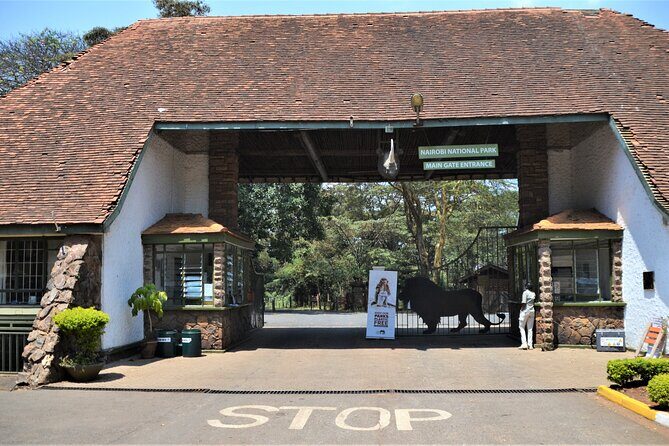
- City access safari: Start from central Nairobi and get on the game drive quickly
- Rhino odds are better here: The park is known for rhino sightings compared with many other areas
- A tight group (max 6): More attention from your guide, less time stuck waiting
- 4x4WD van + bottled water: Built for comfort on an active drive
- Guides get praised for spotting and explanations: Names like Moses, Isaac, Benson, and John show up often in feedback
Why Nairobi National Park is the easy Big Five daytrip
Nairobi National Park works for people who want safari results without spending a whole week chasing schedules across Kenya. You’re still in the middle of a major city, but you’re doing a proper wildlife-style outing: game drive time, wildlife searching, and the chance to see the animals people come for.
The other reason this park hits is the rhino factor. In many safari circuits, rhino sightings can feel like luck of the draw. Here, the odds are described as higher, so if that’s your target, this daytrip is a strong bet. The park also gives you a decent mix of wildlife beyond the Big Five conversation, so even on a slower day you can come away with clear memories.
And since this is structured around a half-day window, you don’t have to decide between resting in Nairobi or doing something outdoorsy. It’s an either-or replaced with a both/and.
You can also read our reviews of more tours and experiences in Nairobi.


What a 4.5-hour safari drive really feels like
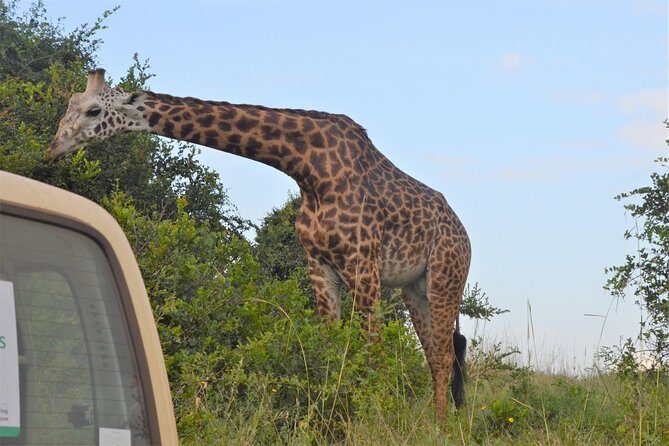
This experience runs about 4 hours 30 minutes total, with roughly 4 hours dedicated to the game drive. That matters more than it sounds. In safari time, the viewing minutes are the value. You don’t want to spend a big chunk of your day in transit or doing long stops that don’t add sightings.
Expect the rhythm to be typical of game-drive travel: you drive, you scan, you stop when the guide spots something worth checking, then you move again. Birds, gazelles, and the classic safari mammals are all in the picture, and the guide will work the area to help you maximize your chances.
Because it’s a city-adjacent park, you may also notice the “real world” around you more than you would in a far-off wilderness reserve. That’s not a problem, just a trade-off: you gain convenience and shorter travel time, and you give up a bit of the remote, far-from-anything feel.
Getting there: City Market start, 4x4WD transport, and mobile tickets
You meet at City Market, Muindi Mbingu St, Starehe, Kenya at 8:00 am, and the activity ends back at the same meeting point. That is a big practical win. Nairobi can be hectic, and returning to where you started means less stress about getting around after your safari.
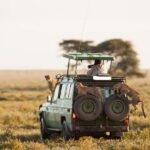
Pickup is offered, and the transport is a tourist van in 4x4WD, which is exactly what you want for uneven ground and the stop-and-go nature of game viewing. You’ll also have bottled water included, so you’re not scrambling for supplies mid-drive.
The ticketing is handled as a mobile ticket, which helps when you’re busy in a city and don’t want to manage paper forms.
One more small detail worth appreciating: the group size is kept small, with a maximum of 6 travelers. Fewer people means the guide can manage everyone’s viewing and attention more easily, and you spend more time watching, less time negotiating space.
Wildlife targets and what to watch for on the drive
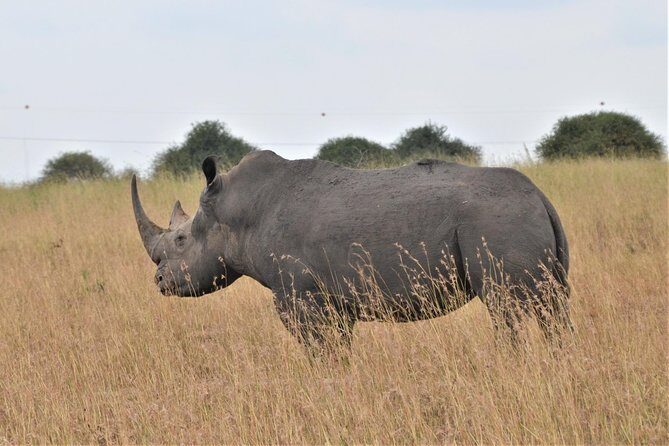
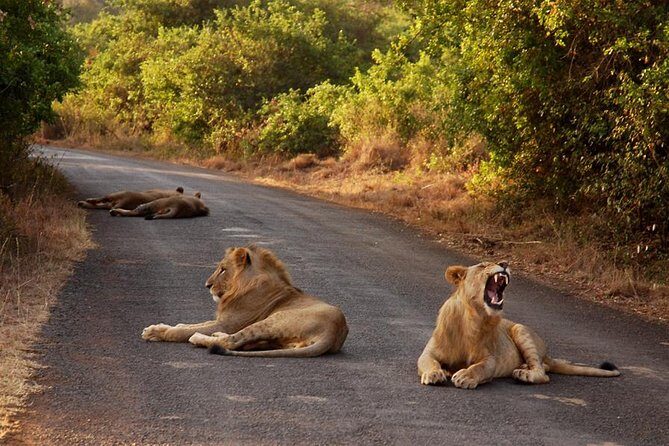
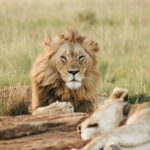
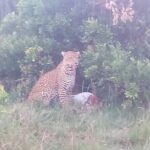
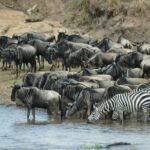
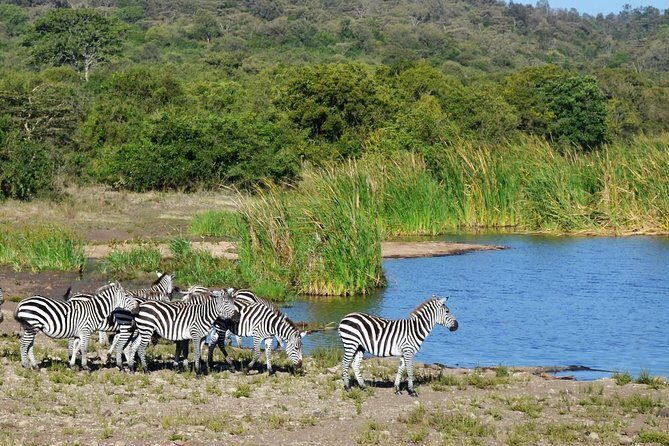
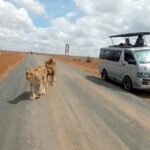
The headline targets are lions and rhino, with chances also for other well-known safari animals. The park is described as a place where you could spot gazelles, lion, zebra, giraffe, buffalo, hippos, and even crocodiles. Birds are part of the deal too, and in a drive that mixes scanning and stops, birds can quietly become one of the best “filler wins” when mammals aren’t right in front of you.
Here’s how I’d think about it if rhino is your goal:
- Your guide will work the areas where rhino activity is most likely.
- You’re likely to have to accept some waiting time. That waiting is part of the wildlife experience.
- Even if rhinos don’t show up, you can still leave happy with other big-game sightings.
Also, remember the park’s role: it’s a city park, not a distant migration landscape. That doesn’t make it any less thrilling. It just changes what “scope” means. You’re often hunting closer, with fewer miles to cover compared with big wilderness drives.
Guide matters: what Moses, Isaac, Benson, and John get right
On safari days, the guide is more than a driver. A good guide saves you from doing the wrong kind of scanning. They also help you understand what you’re looking at, and where to look next.
In the feedback for Poa Sana Safaris, certain guide names come up in a big way: Moses, Isaac, Benson, and John. The common thread is that they’re described as informative and focused on making sure you see wildlife, not just driving around.
If you want my practical tip, it’s this: when you book, ask which guide will be assigned and whether John is available. In the information provided, John is specifically recommended as a guide, and that’s a hint worth taking seriously.
And even without a named-guide preference, you can still benefit from the guide’s approach:
- Ask questions when you get a sighting.
- Pay attention to their explanations about animal behavior and location.
- When they say to hold your focus in one direction, take it seriously. That’s where most people miss things.

Price and logistics: is $300 good value here?
At $300 per person, this isn’t a budget safari. The price is a combination of time, transport, and the reality of Kenya park fees. The good news is that several key costs are covered, which helps the value math.
Included in the price:
- Park fees
- Transport in a 4x4WD tourist van
- Bottled water
- 4 hours of game drive with admission included
Not included:
- Airport/departure tax (so plan for that separately if it applies to your overall travel)
So what are you really paying for? You’re paying for a concentrated safari experience that starts right in Nairobi and stays efficient. If you’re short on time, this is often cheaper (and less stressful) than assembling your own daytrip, hiring multiple pieces of transport, and figuring out park entry and timing on the fly.
Where this may feel expensive is if you’re the kind of traveler who expects guaranteed Big Five sightings like a checklist. Wildlife is wildlife. The value is in the quality of the drive and the odds your guide can create by working the park well.
If your goal is rhino and you’re already in Nairobi, the “convenience premium” makes sense. You’re buying time back, not just transport.
Tips to improve your odds during a city park morning
When you only have about half a day, your behavior matters. Here are practical steps that help your chances without turning the safari into homework.
- Be ready before 8:00 am
A calm start helps you get on the road early. That early positioning can matter in a small park where animals move around.
- Bring a camera mindset, not just a camera
Spend a few seconds every time your guide stops to watch first, then shoot. It helps you frame better and avoid burst photos of nothing.
- Dress for scanning, not for fashion
You’ll be looking in multiple directions and sitting in a vehicle for the drive. Light layers, sun protection, and shoes you’re comfortable in will make your day easier.
- Ask about the rhino plan
Since rhino is a key selling point, ask the guide how they’ll approach rhino searching that morning. Even if you don’t get guarantees, you’ll understand the strategy.
- Don’t ignore birds
Birds are explicitly part of the experience. When mammals are distant, birds can keep the drive exciting and keep your attention fresh.
Who this Nairobi National Park experience suits best
This tour makes the most sense for you if:
- You’re in Nairobi and want a true daytrip without sacrificing wildlife time.
- You want to target rhino while you still have flexible energy.
- You prefer a small group setup (max 6) and a guide who can focus on your viewing.
- You’d like an easier entry point to safari travel before committing to longer multi-day drives.
It may be less ideal if:
- You need a guaranteed sighting. No one can promise a rhino on schedule.
- You’re seeking a fully remote wilderness feel rather than the practicality of a city-adjacent park.
Should you book Nairobi National Park with Poa Sana Safaris?
I’d book if your priorities are clear: a well-run half-day safari from central Nairobi, a small group, and strong odds for rhino compared with many other options. The price is not low, but the inclusions help: park fees, 4x4WD transport, bottled water, and admission are covered, so you’re not piecing it together yourself.
I’d think twice only if your travel style needs a wildlife win every time. In a city park, animals still wander unpredictably, and sightings depend on timing and movement. If you’re okay with that reality, you’ll likely find this daytrip hits the sweet spot between access and wildlife.
If you do book, aim to travel with a guide you trust. The information provided repeatedly highlights guide performance from people such as Moses, Isaac, Benson, and John, so it’s worth leaning into that when you can.
FAQ
Where is the tour pickup location?
You start at City Market, Muindi Mbingu St, Starehe, Kenya.
What time does the Nairobi National Park safari start?
The start time is 8:00 am.
How long is the game drive?
The game drive is 4 hours, and the whole experience is about 4 hours 30 minutes.
Is park admission included?
Yes. Park fees and admission tickets for the game drive are included.
What’s included in the price?
The price includes park fees, transport in a 4x4WD tourist van, and bottled water.
Is airport or departure tax included?
No. Airport/departure tax is not included.
Is this a small-group tour?
Yes. It has a maximum of 6 travelers.
What’s the ticket format?
You’ll receive a mobile ticket.
FAQ
Can I cancel and get a full refund?
Yes. You can cancel up to 24 hours in advance for a full refund.
Is the tour suitable for most travelers?
The info provided says most travelers can participate.