REVIEW · NAIROBI
Mathare Community Slum Tour
Book on Viator →Operated by Jijenge Community Slum Tours · Bookable on Viator
Mathare can feel like a place you thought you knew from afar. This private, community-led tour brings you into Mathare with local perspectives, including time to meet community members and visit inside homes with mothers who share their daily realities. You also get a practical break for shopping—handmade beadwork and other crafts—plus bottled water along the way.
Two things I like: first, the tour is community-led, so you’re not just watching; you’re hearing how people understand their own neighborhood. Second, the visit focus is on real life topics like the impact of HIV and other public health crises, plus respectful time around home visits. One watch-out: one of the few written reviews is very negative, complaining about unanswered WhatsApp contact the day before and on the day itself, so plan ahead and don’t wait until the last minute to confirm details.
In This Review
- Key highlights at a glance
- Mathare’s community-led tone: what makes it worth your time
- The 2–3 hour flow: homes, health stories, beadwork, and a real neighborhood walk
- Ushindi East Avenue meeting point: timing and how to keep the day smooth
- Visiting local mothers’ homes: respectful behavior is part of the deal
- HIV and public health crises: why this topic changes how you interpret the area
- Beadwork and craft shops: shopping time with a purpose
- Price and value: is $25.65 a fair deal for what’s included?
- Communication hiccup risk: one bad review to take seriously
- Who this private Mathare tour is best for
- Should you book the Mathare Community Slum Tour?
- FAQ
- Where does the Mathare Community Slum Tour start?
- How long is the Mathare slum tour?
- Is this tour private or shared?
- What’s included in the tour?
- Does the tour include home visits?
- Is bottled water included?
- What time does the tour run?
- Is the tour affected by weather?
- Is there a cancellation policy?
- What if the minimum number of travelers is not met?
Key highlights at a glance

- Private group format: only your group participates, not a mixed crowd.
- Community-led storytelling: local voices explain life in Mathare.
- Home visit included: you can tour inside local mothers’ homes.
- Health topics are part of the conversation: HIV and public health crises are addressed.
- Craft stop with shopping time: beadwork and other handmade crafts at local shops.
- Bottled water provided: a small comfort that helps you focus on the tour.
Mathare’s community-led tone: what makes it worth your time

A slum tour can easily turn into a drive-by photo show. This one is structured to feel more like a conversation with people who live there, not a spectacle for outsiders. The key word in the experience is community-led, and that shows in how the tour is presented: you’re meeting community members, hearing challenges directly, and seeing everyday life at close range.
The second reason this experience works is the mix of topics. You’re not only looking at buildings and alleys; the tour also covers the impact of HIV and other public health crises. That matters because it gives context for what you’re seeing, instead of leaving you with only impressions and guesses.
My third practical takeaway: the tour includes time to slow down and do something concrete—shopping for handmade beadwork. If you buy, you’re supporting local craft shops tied to the community stops you’re visiting, and it gives the tour a tangible ending instead of an abrupt stop.
You can also read our reviews of more tours and experiences in Nairobi.



The 2–3 hour flow: homes, health stories, beadwork, and a real neighborhood walk
This isn’t a half-day production. It’s roughly 2 to 3 hours, which is a good length for first-time visitors because it’s long enough to feel the place, but not so long that you get mentally overloaded. The tour starts and ends back at the meeting point on Ushindi East Avenue (Ushindi E Ave), so you’re not dealing with complex drop-off logistics.
Here’s how the experience is paced, based on what’s included:
You’ll spend time in the community with a guided slum tour. Along the way, you stop to shop for beadwork and other crafts in local craft shops. The tour also includes a visit inside homes of local mothers, where the conversation shifts from the street level to lived-in details.
What I’d watch for is the order and the balance. When tours fold home visits and health topics into the same timeframe, it can feel heavy in the best way. The local guide’s job is to keep it grounded and respectful, and it also helps you ask questions that aren’t just curiosity—they’re about understanding.
Also, since bottled water is provided, you’ll have at least one built-in comfort. In hot weather, that small inclusion makes a noticeable difference in how long you can stay attentive.
Ushindi East Avenue meeting point: timing and how to keep the day smooth

The tour meets at Ushindi East Avenue in Nairobi and returns you there at the end. That’s a real advantage if you want a plan that fits into the rest of your day—no extra ride across town required to get back to your base.
The listed opening hours run daily from 7:00 AM to 5:00 PM. Since the experience depends on good weather, I treat morning as the safer option when your schedule allows it. Nairobi weather can shift, and if conditions are poor, the provider can offer a different date or a full refund.
One more practical detail: the experience is described as near public transportation. That means you’re not locked into a car or private driver just to start. It can help you stay flexible if you’re already moving around Nairobi.
Visiting local mothers’ homes: respectful behavior is part of the deal
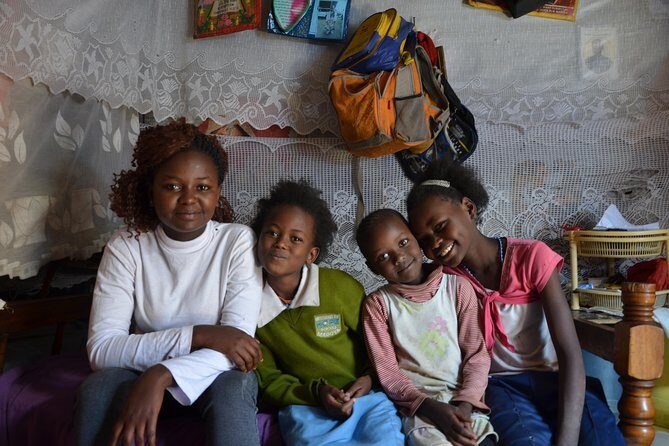
The tour includes a visit inside the homes of local mothers. That is the kind of feature that changes the whole feel of a tour. Instead of observing from the outside, you see domestic life up close and hear stories shaped by daily routines, family realities, and community support.
Because home visits are involved, you should treat the moment as consent-based and people-first. In practice, that means you listen first, ask before taking photos (if it comes up), and keep your tone steady and respectful. The goal is to learn, not to perform.
It also helps to mentally prepare for what a home visit can include emotionally. When a tour is also covering HIV and other public health crises, you may hear direct descriptions of struggle, care, stigma, and coping. If you go in expecting only architecture and alleys, you’ll miss why the home visit matters.
The upside is that you leave with something most street-level tours don’t give: a human scale understanding of the neighborhood.
HIV and public health crises: why this topic changes how you interpret the area
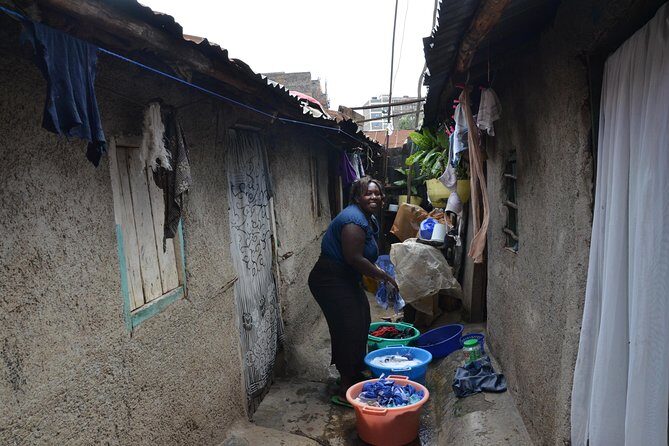
A lot of “slum tours” stick to surface explanations. This experience explicitly includes understanding the impact of HIV and other public health crises. That doesn’t just add information—it gives you a framework for what you’re noticing during the walk.
When public health challenges are part of the conversation, you’re more likely to understand community responses: support networks, education needs, access barriers, and the everyday ways people manage risk and recovery. You can also connect the dots between what outsiders might label as poverty and what residents experience as illness, prevention, stigma, and treatment.
I also appreciate that this isn’t presented as a one-note lecture. It’s integrated into meeting community members and hearing their stories. That kind of approach usually leads to better questions and fewer awkward assumptions.
If you’re the kind of traveler who wants context, not just photos, this portion is one of the most valuable parts of the tour.



Beadwork and craft shops: shopping time with a purpose
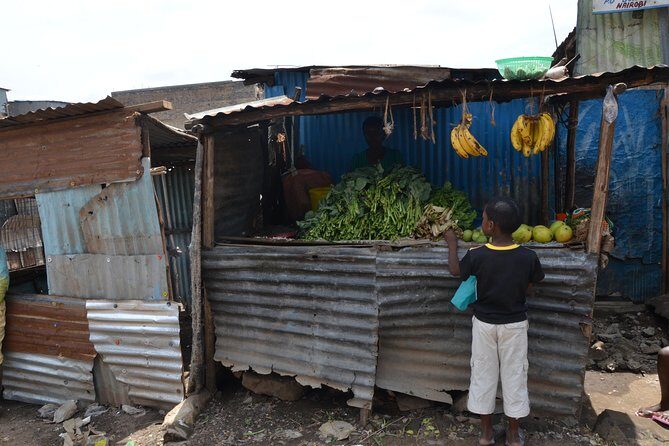
One of the easiest ways for tourists to feel awkward on tours like this is when there’s shopping involved. Here, the craft stops are clearly part of the experience: you’ll have a chance to visit local craft shops and shop for handmade beadwork.
From a practical standpoint, this gives you two good benefits:
First, it adds an ending activity that feels productive rather than extractive. Second, handmade beadwork is tangible—you can see the time and effort in a finished piece.
If you plan to buy, bring a clear budget and keep your expectations realistic. Handmade craft takes time. In many community-based craft settings, prices can reflect materials and labor rather than tourist markup, but you still should treat it like shopping from artisans, not like bargaining over souvenirs.
Even if you don’t buy, the craft shops help you understand the economy inside the community. You’ll see how people turn skill into income and how visitors can support small businesses directly when they choose to.
Price and value: is $25.65 a fair deal for what’s included?

At $25.65 per person, this tour sits in the “accessible but not free” category. The real question is what you get for the money, and the answer is that the inclusions are meaningful: a private 2-hour slum tour (with approximate 2–3 hours total), bottled water, a community-led format, a visit inside homes, and a craft shopping stop.
It’s also important that you’re not paying for only a walk. You’re paying for access to a guided conversation, plus the time to meet community members and understand health impacts. That’s where value tends to come from.
Two things that can also affect your value perception:
- It’s private, so you’re likely to get more room to ask questions than on a large group tour.
- The experience depends on good weather, so if it gets shifted, you’ll need schedule flexibility.
Also, a slum tour price can sometimes feel high to people who only think in terms of distance. I’d argue distance isn’t the main cost here. Time, training, and community coordination are. When a tour includes home visits and structured discussion topics, value usually comes from that human access.
Communication hiccup risk: one bad review to take seriously

I always like to highlight issues that could affect your experience before you book. In the information provided, there’s an extremely unhappy review that complains about not being able to reach the provider via WhatsApp the day before and again on the day of the tour, despite the booking being paid in full.
That doesn’t mean it will happen to you. But it is enough of a red flag that I’d handle it like a pro: confirm key details after booking, don’t rely on last-minute messages, and make sure you know your meeting point and timing ahead of time.
If you prefer a low-stress trip, build in time for a quick check-in early in the day rather than on the edge of departure.
Who this private Mathare tour is best for
This is a strong fit for travelers who want:
- A community-led perspective, not just sightseeing.
- A guided discussion that includes health topics like HIV and public health crises.
- A short but structured experience in a neighborhood with deep, real-life context.
- A private format where your group can move at a manageable pace.
It might be less ideal if you’re looking for something purely light and entertainment-focused. This tour includes serious subject matter, home visits, and community challenges, even if the tone may be guided with care.
Because the tour says most travelers can participate, it also works for many people who are comfortable walking through a neighborhood and listening closely. If you’re sensitive to crowded or uneven walking conditions, I’d consider your own comfort level in advance.
Should you book the Mathare Community Slum Tour?
I’d book it if you want context, people, and craft, and you’re ready for a tour that treats the community with respect rather than treating it like a photo stop. The mix—home visit, community stories, health impacts, and beadwork shopping—gives you more to understand than a quick drive-through.
I wouldn’t book it if your plan depends on fast WhatsApp communication the day before, because at least one complaint points to a potential response problem. Also, if your schedule is tight and you can’t shift for weather, remember the experience requires good weather.
If you do book: confirm details early, head to the Ushindi East Avenue meeting point on time, and keep your expectations aligned with a guided conversation and respectful home access.
FAQ
Where does the Mathare Community Slum Tour start?
The tour starts at Ushindi East Avenue (Ushindi E Ave), Nairobi, Kenya.
How long is the Mathare slum tour?
The duration is approximately 2 to 3 hours.
Is this tour private or shared?
It’s a private tour/activity, meaning only your group will participate.
What’s included in the tour?
Included features are a community-led slum tour of Mathare, time to meet community members, a visit inside homes of local mothers, and a stop to shop for handmade beadwork and other crafts. Bottled water is provided.
Does the tour include home visits?
Yes. The experience includes a visit inside the homes of local mothers.
Is bottled water included?
Yes. Complimentary bottled water is included.
What time does the tour run?
Opening hours are Monday through Sunday, 7:00 AM to 5:00 PM.
Is the tour affected by weather?
Yes. The experience requires good weather, and if it’s canceled due to poor weather, you’ll be offered a different date or a full refund.
Is there a cancellation policy?
Yes. You can cancel for free up to 24 hours in advance for a full refund.
What if the minimum number of travelers is not met?
If the tour is canceled because the minimum isn’t met, you’ll be offered a different date/experience or a full refund.