REVIEW · NAIROBI
Masai Village Cultural Day Tour from Nairobi
Book on GetYourGuide →Operated by Africa Holidays · Bookable on GetYourGuide
A trip like this reminds you Kenya is more than wildlife. I like the chance to meet Maasai families and elders and hear daily-life stories from inside the community, not from a brochure. I also love the hands-on culture moments, like beadwork and demonstrations that explain how men and women divide work. One thing to consider: what you see can feel like a staged cultural visit, and on some days you may not meet a wide range of ages if people are out herding or schooling.
You’ll start with comfortable, round-trip transport from Nairobi and a friendly English-speaking driver/guide who helps the day move smoothly. The highlight is the cultural day portion in Kajiado County, where you get guided walking time through a traditional Manyatta homestead and a dance/music performance. A possible drawback is that the day can run long depending on traffic, and schedules sometimes get tight if your next plans depend on an exact return time.
Key points to know before you go
- Manyatta homestead visit with guided walk-through, photo time, and a homestead-style setting
- Traditional dance performance as a major part of the experience (plan for music and movement)
- Women’s and men’s work, shown side-by-side through demonstrations like cooking and livestock care
- Cultural teaching moments such as fire-making, plus learning about day-to-day life preserved over generations
- Handicraft market browsing for Maasai-style beadwork and souvenirs, with time built in
- Village entry fee is separate (cash in Kenyan shillings or USD), so budget for it
In This Review
- A Nairobi morning that’s really about time and comfort
- Entering Manyatta life: ceremony, safety, and guided walking
- Women’s work demonstrations: food, weaving, and daily routines
- Seeing how the roles split: livestock care and community work
- Photos, fire-making, and the dance show that becomes the centerpiece
- The Kajiado break: lunch stop and shopping time
- Price, value, and the village entry fee you must budget
- How long it really takes: managing the 7–8 hour promise
- Who this Maasai day tour is for (and who should skip)
- Small tips that make a big difference on the day
- Should you book this Masai Village day trip?
- FAQ
- How long is the Masai village day tour from Nairobi?
- What’s included in the tour?
- Do I need to pay the village entry fee?
- Is lunch included?
- Is the tour private or shared?
- Is the tour wheelchair accessible?
A Nairobi morning that’s really about time and comfort
This is a classic Nairobi day trip: you’re picked up from your accommodation, then you spend the morning traveling out toward Kajiado County, Central Kenya. The drive is in an air-conditioned vehicle, which matters more than you’d think when roads are busy and the day is long. Your driver/guide is there to set expectations, keep things safe, and answer questions along the way.
A good day often comes down to the driver’s skill and calm. In one example, Patrick handled heavy traffic, unpredictable driving around town, cows crossing the road, and even downed trees with a steady presence that made riders relax instead of tense. That’s not just comfort—it’s also how you arrive ready to pay attention to people and their stories, instead of arriving stressed.
One practical note: even if the tour is designed for a 7–8 hour window, Nairobi traffic can change everything. If you have a tight second reservation, keep it flexible.
Entering Manyatta life: ceremony, safety, and guided walking
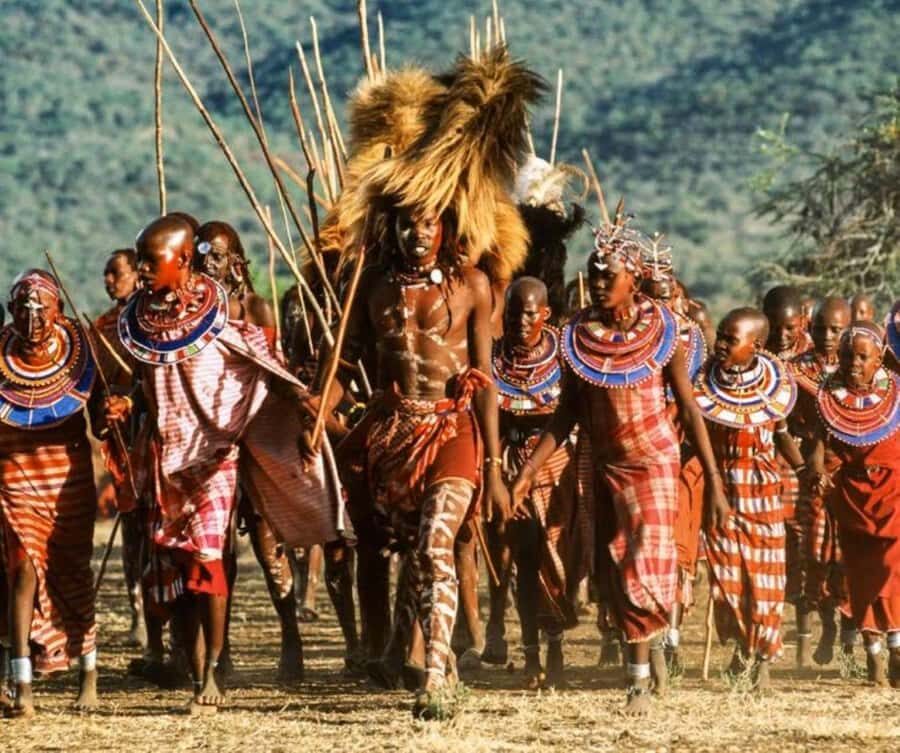
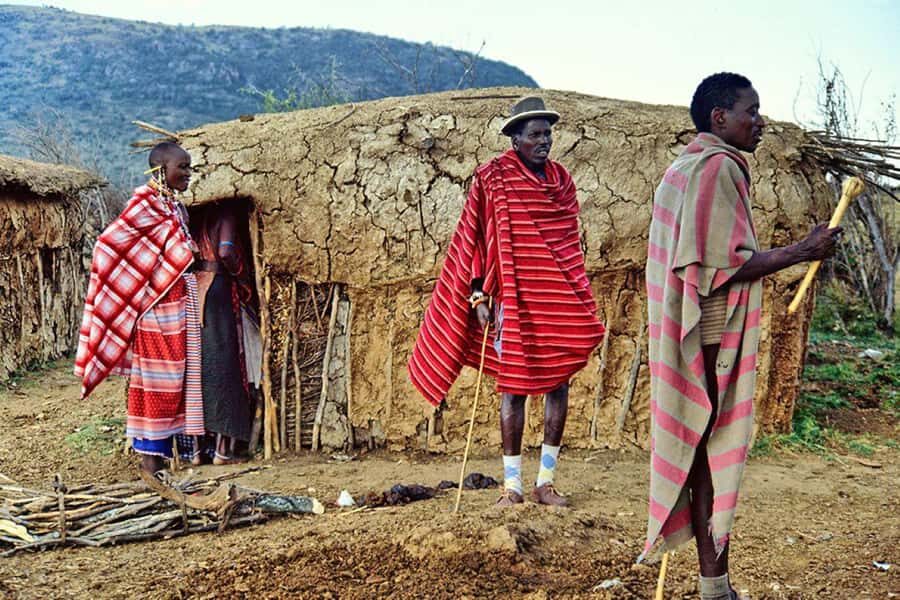
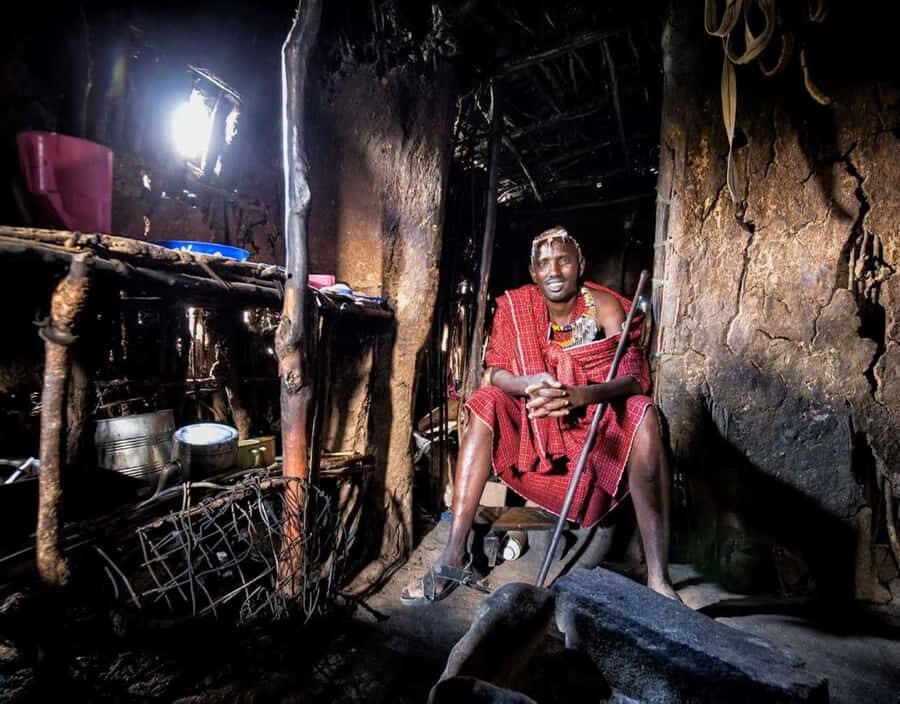
When you reach the Maasai village area, the day shifts from “driving” to “meeting.” Expect a guided welcome and a traditional ceremony featuring Maasai warriors, plus a photo stop before you start moving through the homestead area. There’s usually a safety briefing and a guided structure to the walk, so you know what’s happening and how to behave.
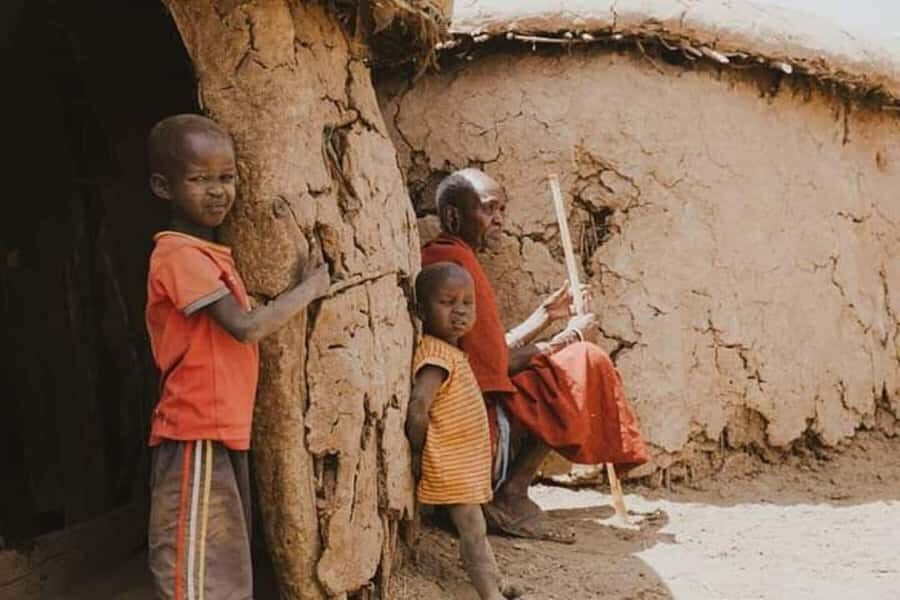
The Manyatta setting is the core of what makes this feel cultural instead of performative. You’re not just watching from afar. You’re given time to explore at a human pace—walking through the space, learning what you’re looking at, and hearing explanations directly from community members. That “why” is what you’ll remember later, not just the visuals.
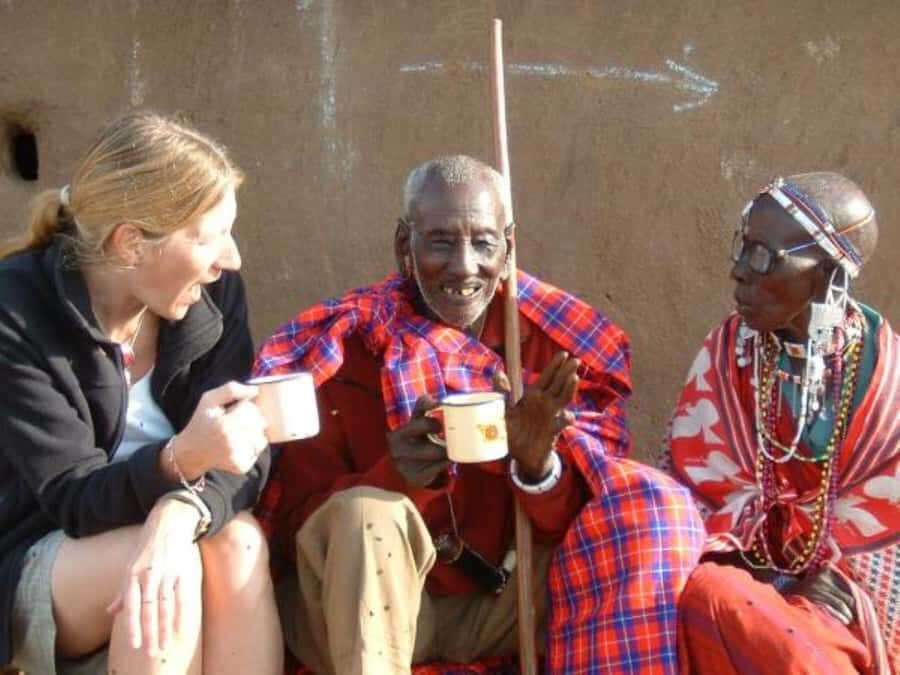
I also like that the experience includes interaction with families and elders. Elders matter because they’re the ones who can link traditions to how people live now, explain changes over time, and add context you won’t get from a quick talk.
Potential drawback: sometimes the “whole village” idea can be misleading. If herders are away or children are at school, you might meet a smaller slice of the community during your visit. You’ll still get cultural demonstrations and conversations, but your group might not meet every age category you were hoping for.
You can also read our reviews of more tours and experiences in Nairobi.



Women’s work demonstrations: food, weaving, and daily routines
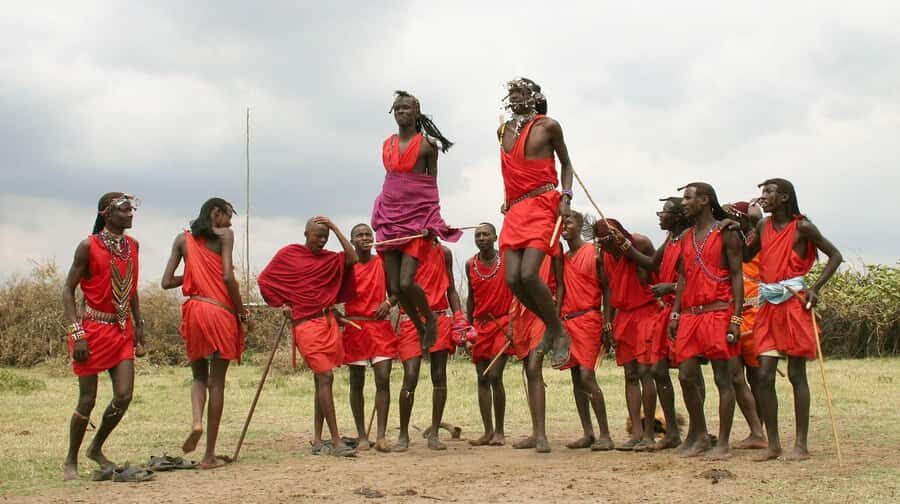
One of the strongest parts of this tour is the way it treats gendered roles as normal, not as a museum exhibit. You’ll see demonstrations tied to daily life—especially what women do—so you can understand how skills get passed down and how resources are managed.
From what’s described for the visit, you may get to learn how local women prepare food and cook, as well as how they weave necklaces and wrist bands. That beadwork-and-craft side isn’t only about making something pretty. It’s a practical skill, tied to identity and community knowledge.
You may also see livestock work linked to the household, such as milking goats, which turns the tour from “stories” into “show me how.” That kind of direct explanation is where cultural day trips can become genuinely useful: you leave understanding what “daily life” actually means.
If you’re the kind of person who asks questions, this section is for you. You’ll likely get a guided explanation while you watch, then ask follow-ups as you go.
Seeing how the roles split: livestock care and community work
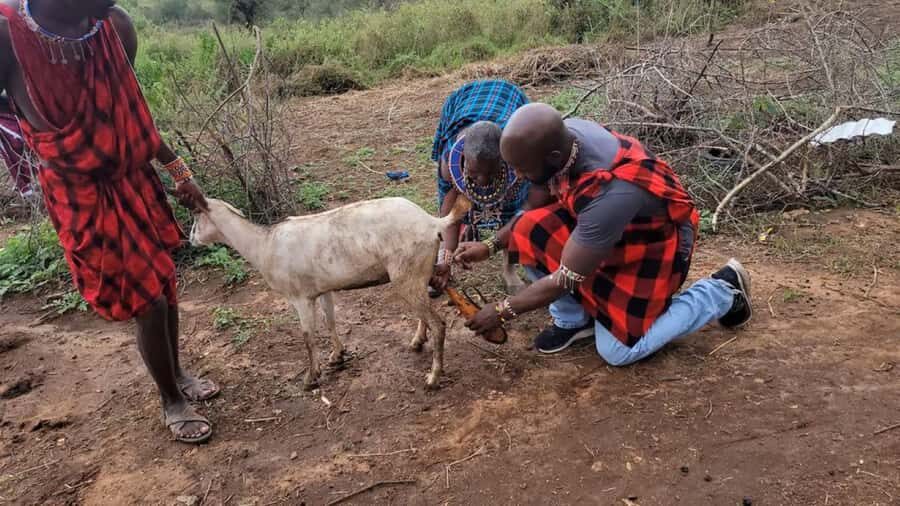
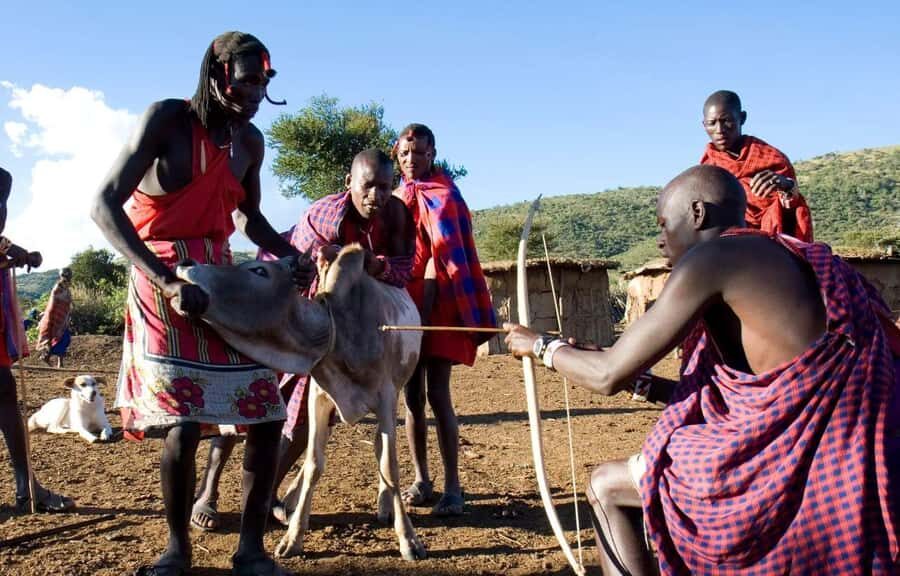
The tour tries to show how men and women each contribute to village life. You’ll be shown the livestock and taken around to see how work gets done, with attention to the division of responsibilities.
This matters because it helps you avoid a common tourist mistake: turning everything into a single “culture snapshot.” Instead, you see routines and labor as a system—food preparation, livestock care, household needs, and craft work all connected.
In at least one visit, participants were taken through daily-life examples and were even given chances to interact with traditions more directly, like being shown how spear culture fits into the warrior role. If your aim is understanding identity and roles—not just watching dancing—this portion has more payoff.
Tip for you: bring curiosity, not checklist energy. Ask what something is, then ask what it’s for. Those two questions will almost always get you better answers than asking for a summary.
Photos, fire-making, and the dance show that becomes the centerpiece
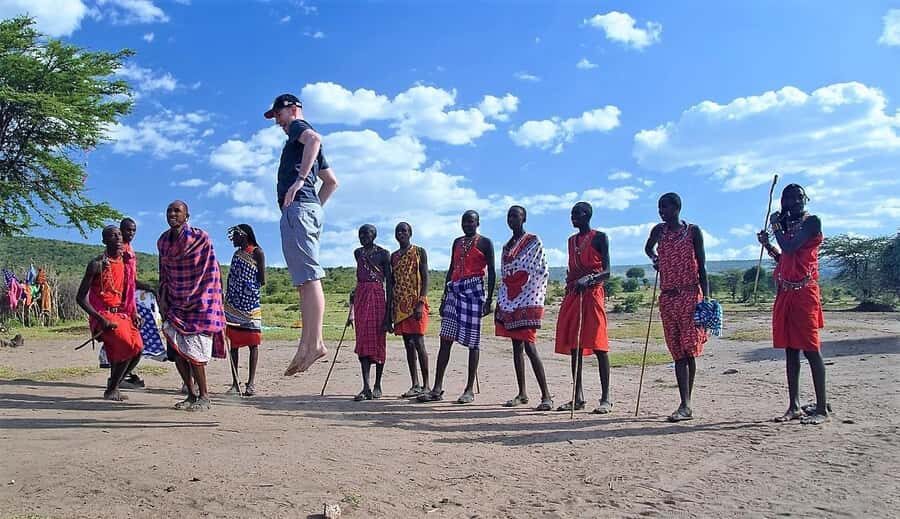
Part of the village experience includes cultural demonstrations, such as fire-making, plus time for photos and traditional performances. The itinerary you’re following includes a traditional dance performance lasting about three hours, so yes, plan for music, movement, and the kind of energy that makes the day feel “event-like.”
Dance on tours can go either way—sometimes it’s just a show for visitors. Here, the day is structured to connect the performance to the broader explanation of life and tradition. When the guide can connect what you’re seeing to daily meaning, the dance becomes part of learning rather than a detour.
The best examples from real-world experiences show guides who add context, not just volume. In one case, Juli paired the journey with Maasai insights and wrapped the day with lively music and dance. Another example featured Erik as host, who handled details well and helped “fill in blanks” when the chief was explaining the ins and outs of Maasai life.
Practical advice: be ready for sound and movement. If you’re sensitive to loud music, bring some way to reduce noise (or plan to stand near the edge during the most intense moments). Also, take photos respectfully—briefly, then look up. The people talking to you are the point.
The Kajiado break: lunch stop and shopping time
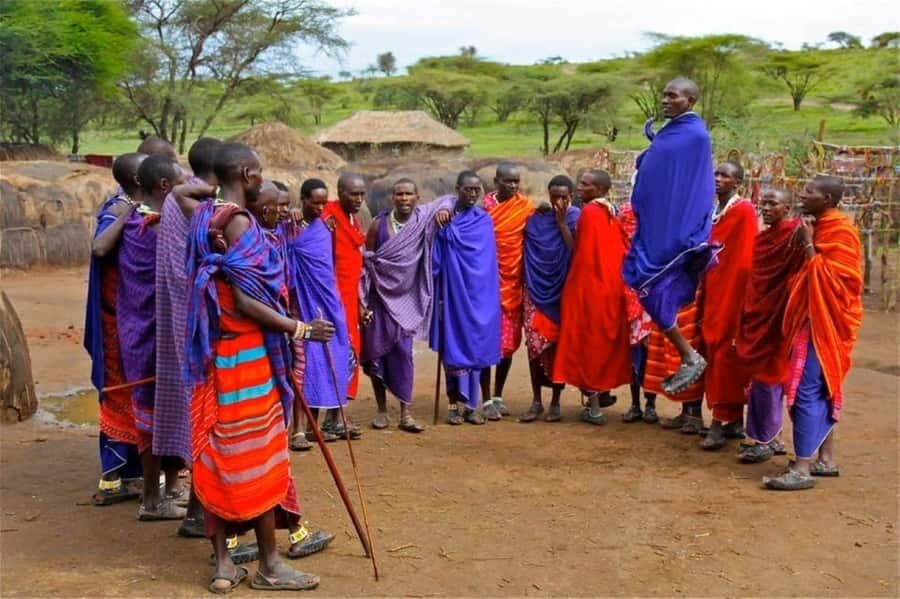
After the village portion, the day includes a stretch break in Kajiado County. You get time to photograph and walk, plus a lunch stopover and free time that can include shopping.
That shopping stop is where you’ll likely find handicrafts and beadwork. This can be a good moment to buy something small and meaningful while you’re still in the right mindset. You’re fresh from conversations, so you’ll better understand what you’re purchasing and what it represents.
Keep expectations realistic: souvenirs are often priced higher than street markets because they’re sold in a tourist-facing context. Still, it’s not automatically “bad value.” The value comes from the connection—if you ask questions, learn how it’s made, and then decide calmly, you’re less likely to overpay out of momentum.
Also, the lunch stop is your recovery moment. Some days, the return drive can feel long, so treat lunch and water as part of keeping energy steady, not as an afterthought.

Price, value, and the village entry fee you must budget
The tour price is listed at $42 per person, and on paper that can look like a straightforward deal. But there’s an additional cost you need to plan for: a village entry fee of $30 for adults and $20 for children/youth, payable by cash in Kenyan shillings or USD.
So the real value math for an adult often looks like:
- $42 for the tour
- plus $30 entry fee
That lands closer to about $72 total per adult, before any optional purchases like crafts.
Is it still worth it? Often, yes—because what you’re buying isn’t just transportation. You’re paying for a guide, guided walking time in a Manyatta setting, cultural demonstrations (including fire-making), a dance performance, bottled water, and interaction time with families and elders. If you want meaningful cultural contact beyond safari drives, that bundle can be good value.
What can change the value is how “personal” the visit feels to your group that day. If your guide keeps things informative and you get real conversation time, the cost feels justified. If the day feels rushed or the interaction is more limited than you expected, you may feel like you paid for a shortened slice of culture.
How long it really takes: managing the 7–8 hour promise
The tour is designed to run about 7–8 hours with round-trip transport. But two real-world realities can stretch that: road conditions and traffic patterns around Nairobi and on the route outward.
One participant experienced a later pick-up and a rushed finish that left the day shorter than expected, with a delayed return. Another account described smooth driving and calm handling of road surprises like cows and fallen trees. Your experience will depend a lot on timing that day, plus how the driver manages the route.
For you, the takeaway is simple: plan your day so you’re not forced to catch another ticket immediately after the tour. If you’re connecting to a flight or another tour, give yourself a buffer.
Who this Maasai day tour is for (and who should skip)
This works best for you if:
- You want culture and daily life, not only wildlife scenery
- You like asking questions and learning through conversation
- You enjoy craft and hands-on demonstrations (weaving, fire-making, livestock care)
- You’re happy to spend time on a performance segment like traditional dance
You might reconsider if:
- You expect a full, “everyone in the village” experience in one afternoon
- You’re very strict about tight return times
- You’re uncomfortable with the idea that a guided cultural visit may include scheduled performances and demonstrations
If you’re seeking one of the best parts of Kenya beyond safaris, this is a strong option. If you want zero-tourist energy and total spontaneity, you might prefer a different kind of visit with smaller, locally arranged contact.
Small tips that make a big difference on the day
These tours run smoother when you show up ready:
- Bring cash for the village entry fee so you’re not scrambling at the last minute.
- Wear comfortable shoes for a guided walk, and light layers for sitting, standing, and moving.
- If you buy crafts, browse slowly and ask what items mean or how long they take, before you decide.
- During conversations and demonstrations, pause your camera long enough to hear the explanation.
And one more thing: be kind with your attention. If the day feels structured, it’s still a real community experience. Your respectful curiosity is what turns “watching” into understanding.
Should you book this Masai Village day trip?
I’d book it if your main goal is a guided day of Maasai culture with real human explanations, a Manyatta homestead walk, craft market time, and traditional dance as a centerpiece. The combination of interactions with families and elders, plus practical demonstrations (food, weaving, livestock care, fire-making), makes it more than a quick photo stop.
But book with eyes open. Budget for the separate village entry fee, expect the day to be affected by traffic, and understand that the age mix you meet may depend on who is available that day. If you can handle that, this is a good way to get Kenya’s cultural life alongside its famous wildlife.
FAQ
How long is the Masai village day tour from Nairobi?
It runs about 7–8 hours, depending on the starting time and road conditions. You’ll have time for the village visit and a lunch stop before returning.
What’s included in the tour?
Included are round-trip pick-up and drop-off from your Nairobi accommodation, transportation in a comfortable air-conditioned vehicle, an English-speaking guide/driver, a guided village cultural experience (including interaction with families and elders), a visit to a Manyatta (homestead), bottled water, and a traditional dance performance and cultural demonstrations.
Do I need to pay the village entry fee?
Yes. The village entry fee is not included in the tour price: $30 for adults and $20 for children/youth, payable by cash in Kenyan shillings or USD.
Is lunch included?
Meals and drinks beyond what’s mentioned as included are not listed as included. The day includes a stopover for lunch, but you should expect to handle lunch separately.
Is the tour private or shared?
The tour is available as private or small groups.
Is the tour wheelchair accessible?
Yes, wheelchair accessibility is listed as available.