REVIEW · NAIROBI
HALF DAY TOUR MASAI VILLAGE FROM NAIROBI WITH PICKUP&DROPOFF
Book on GetYourGuide →Operated by NAKISAFARI ADVENTURES AND HIKERS · Bookable on GetYourGuide
A Maasai village day can feel surprisingly close. This tour takes you from Nairobi into a traditional manyatta of circular huts, with a live guide and time for music, dance, and crafts. I especially like the focus on cattle life and the chance to ask questions with guides such as Alfred, who’s connected to the village. One thing to plan for: there’s a $30 per person entry fee that isn’t included in the price.
You’ll also appreciate how organized the experience feels for a half day—pickup options across Nairobi and a clear flow that includes a photo stop, guided walk, break time, and a dance show. I love the cultural context you get, like why the thorny fence matters for protecting livestock from predators such as lions. The main drawback for some people is that the pace can be full: 6 hours with limited quiet time, plus shopping stops if you want them.
In This Review
- Key highlights you’ll care about
- Manyatta Basics: what you’re actually walking into
- Nairobi pickup to the Bisil area: how the logistics feel
- Bisil manyatta walk: huts, cattle life, and guided context
- Traditional ceremonies, music, and dance show time
- Arts & crafts market stop: shopping without the pressure
- Price and value: $445 per person, plus the $30 entry fee
- Who this tour is best for (and who should skip it)
- Should you book this Maasai village tour?
- FAQ
- How long is the Maasai village tour from Nairobi?
- What’s the price, and what’s included?
- Is the $30 entry fee included?
- Do I need to arrange my own transport from Nairobi?
- What language is the guide?
- Is there a dance show?
- Can I shop during the tour?
- What are the booking and cancellation terms?
Key highlights you’ll care about

- Manyatta layout and the thorny fence logic, explained in plain terms
- Live English guidance with Alfred (and a helpful driver like William in the group feedback)
- Arts & crafts market visit with time to browse and choose what you like
- Traditional music and dance, including a longer dance-show segment
- Practical stops built in: break time, free time, and a photo moment
- Transport and pickup/drop-off across major Nairobi areas
Manyatta Basics: what you’re actually walking into

A Maasai village is called a manyatta. It’s a cluster of small, rounded huts made from natural materials like mud, sticks, grass, and cow dung. The circular layout isn’t random—it helps the settlement work as a group, and it’s part of how daily life is organized.
The tall thorny fence around the village is a key detail. In the Maasai way of thinking, the fence isn’t for show. It’s there to protect cattle (and other livestock) from wild predators, including lions. Once you understand that, the whole village design makes more sense, even if you’ve seen photos before.
You can also read our reviews of more tours and experiences in Nairobi.



Nairobi pickup to the Bisil area: how the logistics feel

This is a half-day format, but it runs about 6 hours from Nairobi. You get pickup from multiple neighborhoods, including Kilimani, Lavington, Kileleshwa, Westlands, Embakasi, Karen, Parklands, and Syokimau. You’ll also be dropped back in the same general set of areas, including those exact neighborhoods.
That matters because Nairobi driving can be unpredictable. Starting with pickup points that are already inside the city helps you avoid extra ferrying around. And the tour includes transport with a car, plus a guide who speaks English, so you’re not stuck guessing what you’re seeing.
There’s also a bit of timing structure built into the day: the program can include a sunrise element depending on the start time. So if you’re the type who likes sleep, plan for an earlier wake-up for this one.
Bisil manyatta walk: huts, cattle life, and guided context
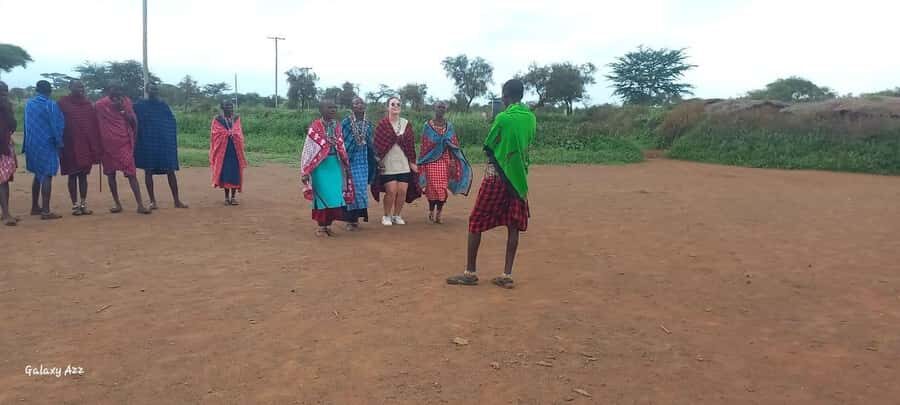
The main stop is a Maasai village manyatta in the Bisil area. Expect a guided visit that mixes orientation with real explanations of daily routines. The emphasis is on cattle rearing—everything from milking to herding sits at the center of Maasai life, and that’s what the tour tries to help you understand.
You’ll also get a photo stop, and you’ll have short pockets of free time. That’s useful because it lets you slow down for a minute and look at details like hut materials, the way space is used inside the settlement, and the rhythm of people’s movements as they do normal tasks.
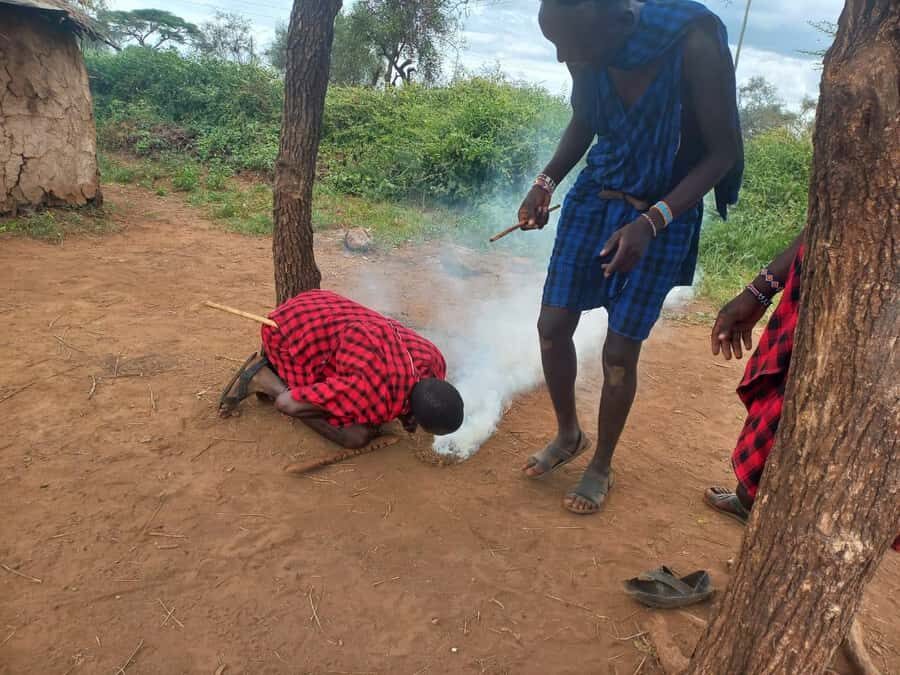
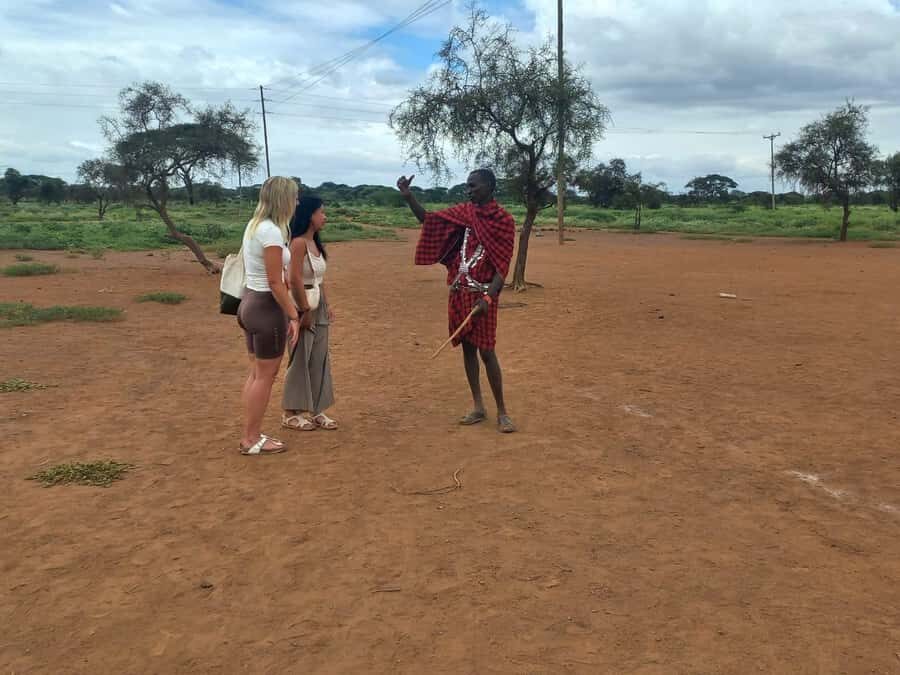
A lot of cultural village visits risk becoming a scripted performance. Here, the best part is how the guide helps you connect the dots between the physical village layout and what the community values. In the group feedback, Alfred stood out because he’s a member of the village and was eager to answer questions about Maasai customs and traditions. Having that kind of direct connection usually changes the whole feel of a cultural stop from watching to understanding.
Traditional ceremonies, music, and dance show time
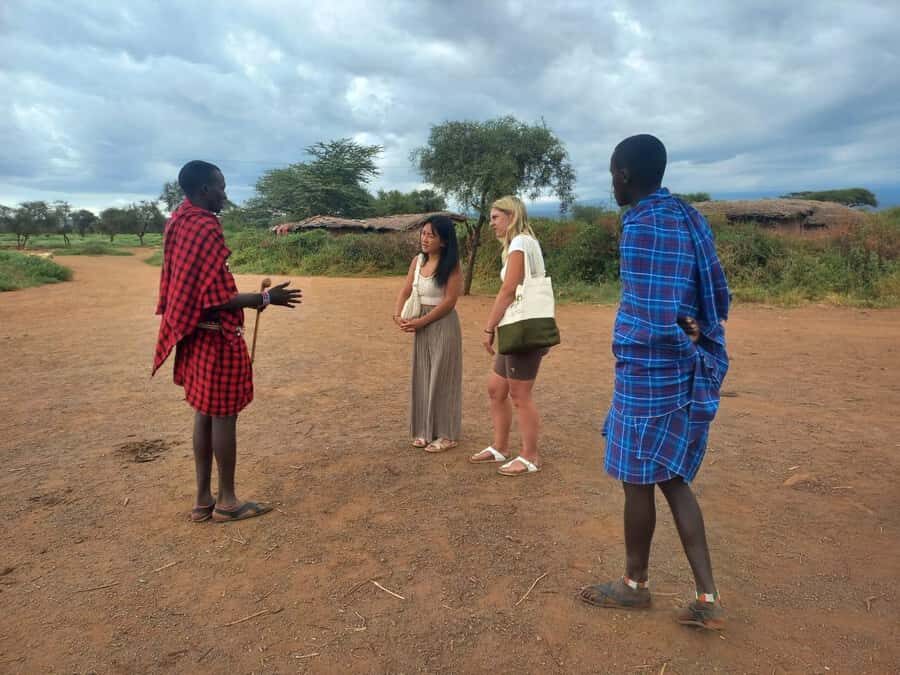
After the guided walk, the day shifts into cultural performance mode. The program includes a traditional dance show plus time for music and ceremony-focused moments. There’s also a safety briefing at some point in the flow—worth paying attention to, especially if you’re planning to take photos while people are moving.
One of the strongest practical ideas here is the way the schedule balances structure with breaks. You’ll have break time, and you’ll get time to rest and reset. Then the dance segment is long enough (it’s listed as a 4-hour traditional dance show in the program details) that it doesn’t feel like a quick photo op.
The dance and ceremony parts aren’t just about entertainment. They’re tied to social rituals and cultural heritage, and the day frames that meaning so you’re not just watching movement without context. If you’re curious about how identity, community, and tradition show up in everyday life, this is the section that clicks.
Arts & crafts market stop: shopping without the pressure
You’ll have time for an arts & crafts market visit and some shopping. The key benefit is that it’s built into the schedule, not dropped on you at the end like a sudden sales test.
From the feedback, one guest appreciated that they weren’t forced to buy. That’s the best scenario in places like this: you browse, you ask questions if you want, and you leave with the option to support artists if you choose.
If you’re buying beadwork or small crafts, treat it like any handmade-market purchase: decide what you truly like, check what’s included in the price if any bundles are offered, and don’t rush. The program gives you enough time to look rather than sprint through.
Also, keep your expectations realistic. This is part of a cultural visit and an economic activity for the community. You’ll likely see the same items in multiple places. Your job is to choose what feels meaningful to you.

Price and value: $445 per person, plus the $30 entry fee
Let’s talk money, because $445 per person is not casual. The value is strongest if you care about three things:
1) A guided, English-speaking visit where you can ask questions and get clear explanations
2) Time that goes beyond a quick look at huts—there’s guided touring plus arts and crafts, and a long dance segment
3) Nairobi-to-village transport with pickup/drop-off, which saves you the headache of arranging your own ride and timing
What’s not included is the $30 per person entry fee. So your real total will be $445 + $30 per person. For some people, that extra line item changes the math, especially if you’re budgeting for more than one excursion.
Is it worth it? For couples or small groups who want a structured cultural day with clear guidance, the price can feel justified. If you’re a solo traveler who prefers self-guided exploration, you may compare costs with other Kenya experiences and decide this is more guided-style than you need.
Who this tour is best for (and who should skip it)
This works best for you if:
- You want a guided Maasai village visit with explanation, not just sightseeing
- You’re interested in how cattle life shapes daily routines and settlement design
- You like cultural performances and don’t mind a longer show segment
- You’d rather let someone handle driving and timing than plan it yourself
You might want to skip or look for another option if:
- You strongly prefer long quiet stretches with minimal schedule
- You don’t enjoy arts and crafts markets, since one is part of the program
- You’re very sensitive to early start times, since the tour can be timed around sunrise
Also note: the tour is listed as wheelchair accessible, which is a big plus if you need that kind of planning support. The exact on-the-ground paths aren’t described in the details you provided, so I can’t promise every surface is easy, but the activity is designed to be accessible.
Should you book this Maasai village tour?

Book it if you want a well-paced half day that focuses on more than photos—especially the cattle-centred manyatta story, guided context from English-speaking staff, and the long traditional dance component. The best version of this day happens when you show up curious and ready to ask questions, and when you’re okay with structured group time.
Consider a different choice if you’re purely price-driven or you’d rather spend your day doing independent activities. And remember the extra $30 entry fee. If that bumps your budget, it may be a sign to either compare with similar tours or choose a different cultural experience.
If you do book, do two practical things: bring a camera for the photo stop, and come with a few simple questions about daily life and village routines. That’s where tours like this pay off fastest.
FAQ

How long is the Maasai village tour from Nairobi?
The duration is listed as 6 hours.
What’s the price, and what’s included?
The price is $445 per person. Included are a bottle of water, transport by car, and a guide.
Is the $30 entry fee included?
No. The entry fee is $30 per person and is not included.
Do I need to arrange my own transport from Nairobi?
No. The tour includes transport with pickup and drop-off in multiple Nairobi areas such as Kilimani, Lavington, Kileleshwa, Westlands, Embakasi, Karen, Parklands, and Syokimau.
What language is the guide?
The live tour guide is available in English.
Is there a dance show?
Yes. The program includes a traditional dance show segment (listed as 4 hours in the tour details).
Can I shop during the tour?
Yes. There is time included for an arts & crafts market visit and shopping.
What are the booking and cancellation terms?
Free cancellation is available up to 24 hours in advance for a full refund, and you can reserve now and pay later.