REVIEW · NAIROBI
Elephant Orphanage, Giraffee Center, Karen Blixxen Meseum
Book on GetYourGuide →Operated by KT Safari LTD · Bookable on GetYourGuide
A day in Nairobi like this has a built-in rhythm. You start with Rothschild giraffes at the Giraffe Centre, then move on to baby elephants at the David Sheldrick Elephant Orphanage, and finish with the Karen Blixen Museum tied to Out of Africa. I especially like that the schedule is tight but varied, so you get real animal care moments and then a cultural stop without needing a full day in town. One thing to consider: part of the total cost comes from separate entry fees and there can be some unevenness in timing and time spent at stops.
What you’ll likely enjoy most is how hands-on the wildlife viewing feels (especially the feeding). The van ride with an open roof also makes the day feel more like a Nairobi drive than a bus transfer. The main drawback is that the flow can feel a little unclear at the start, and there may be extra time in souvenir areas depending on the day and guide.
In This Review
- Key highlights worth getting excited about
- Why this Nairobi combo tour works so well
- Getting set for the open-roof mini van and real-world timing
- Stop 1: Giraffe Centre and the Rothschild giraffes
- Stop 2: David Sheldrick Elephant Orphanage baby feeding moments
- Stop 3: Karen Blixen Museum and the Out of Africa connection
- Price and value: what $34 really means (and what to budget)
- Who should book this tour (and who should skip it)
- Tips that make the day go smoother
- Should you book? My honest take
- FAQ
- How long is the tour?
- What stops are included in the experience?
- Do I get hotel pickup and drop-off?
- What should I bring?
- Is lunch included?
- What language is the tour guide?
- Is the tour suitable for everyone?
Key highlights worth getting excited about
- Giraffe Centre access to see giraffes in a semi-wild setup and learn how they’re protected
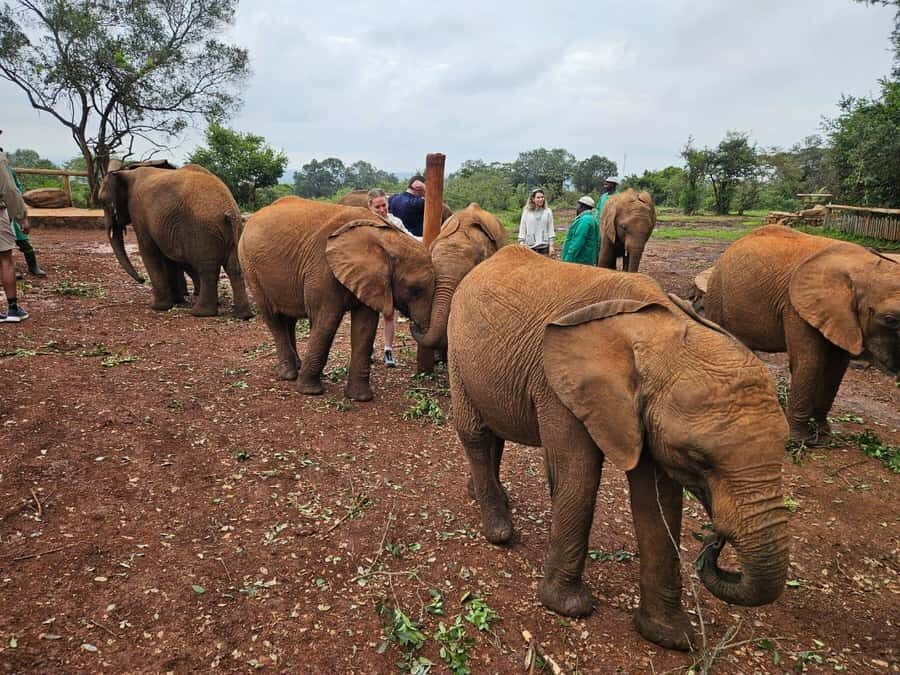
- Baby elephant feeding time at the David Sheldrick Wildlife Trust, with guaranteed entry ticket
- Personal elephant stories you can connect to as you watch the calves play and feed
- A cultural finish at Karen Blixen Museum with the Out of Africa connection
- Open-roof mini van and hotel pickup so you lose less time wrangling transport
Why this Nairobi combo tour works so well
This trip is built for one simple goal: getting close to Kenya’s wildlife story without wasting half your day on logistics. You’re not bouncing between far-flung parks. Instead, you’re doing a focused circuit around Nairobi that gives you three different angles—conservation, animal care, and the human history behind Out of Africa.
I like the balance here. The giraffe stop is gentle and interactive, then the elephant orphanage takes over with a more emotional, fast-paced feeding routine. Finally, the Karen Blixen Museum gives your brain somewhere to land after all the animal time.
One more practical win: it’s about 5 hours, which is long enough to feel full but short enough to keep your energy for the rest of Nairobi. If your itinerary is tight, this is a strong way to stack value in a single morning or early afternoon.
You can also read our reviews of more tours and experiences in Nairobi.



Getting set for the open-roof mini van and real-world timing
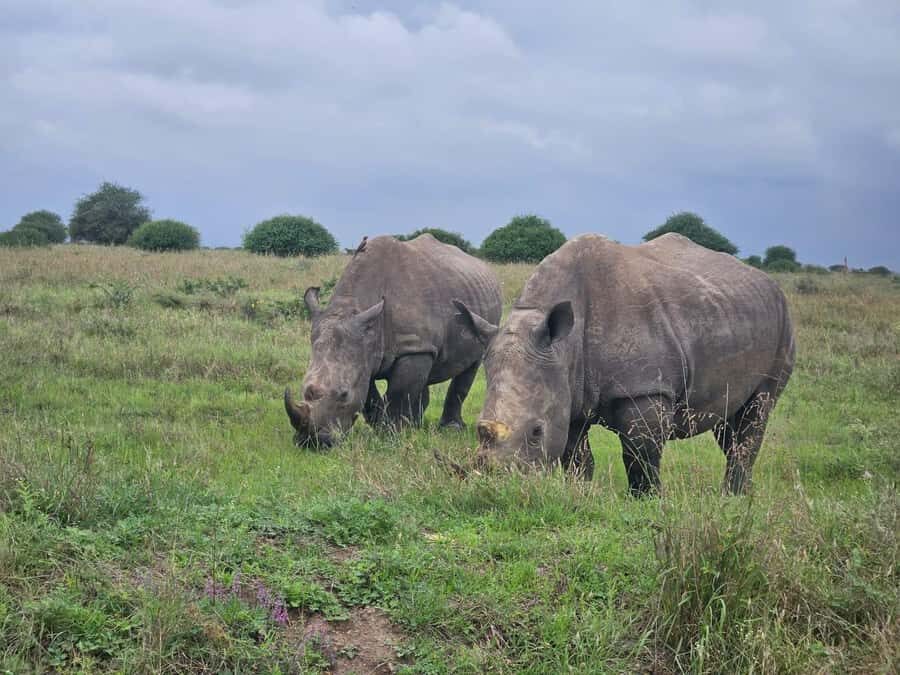
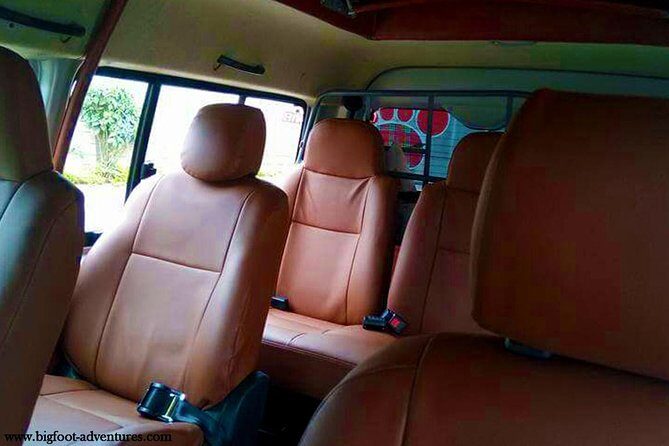
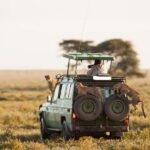
You’ll be picked up from your hotel, then driven in a safari mini van with an open roof. That matters more than you might think. You can actually see and photograph better without the constant window glare you get on closed vehicles.
The driver-guide is also part of what makes the day run smoothly. English-speaking guides are listed, and from past experiences with different guides, the standout theme is clear communication and helpful context. Some guides are also friendly enough to answer the practical questions you’ll naturally have once you’re staring at elephants at feeding time.
Now, a small timing reality check. One prior experience noted a driver arriving more than an hour early. That’s not something you can count on, but it’s a good reminder that Nairobi timing can be flexible. Your best move is to be ready early rather than sitting around stressed.
Stop 1: Giraffe Centre and the Rothschild giraffes
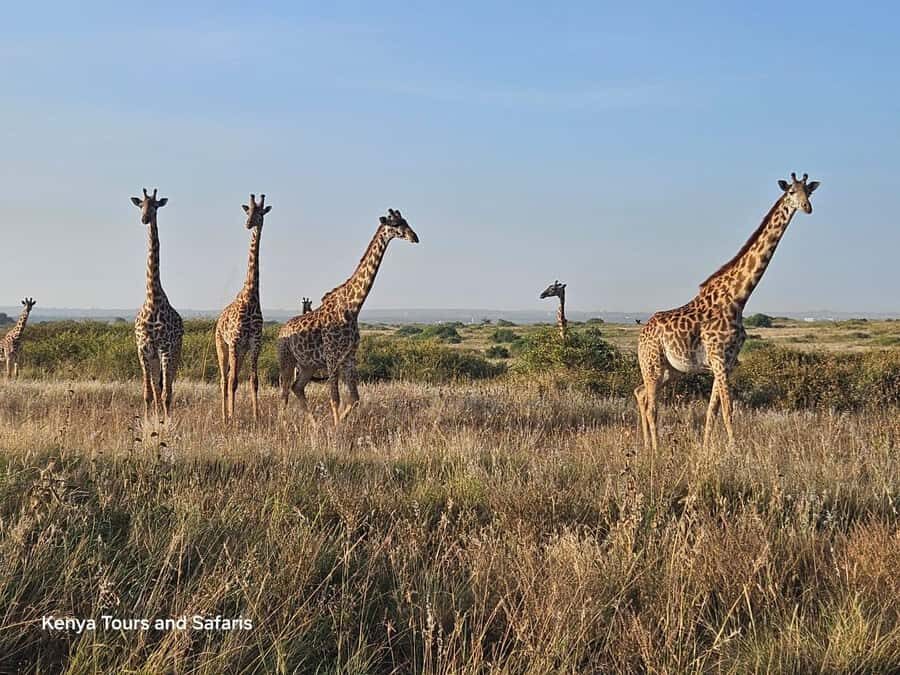
Your day usually kicks off at the Giraffe Centre, where Rothschild giraffes live in a semi-wild environment. This isn’t a zoo-style setup where everything feels staged. The point is conservation and education, and you’ll get explanations about behaviors, traits, and how giraffes are protected.
What I love about the Giraffe Centre is how approachable it feels. You don’t just watch from a distance. You also get the chance to feed these gentle giants. That kind of interaction turns the visit from passive sightseeing into a real understanding moment. You start noticing how they move, how they reach, and how calm the whole process is when everyone follows staff instructions.
Practical considerations:
- Bring comfortable shoes. The ground can be uneven, and you’ll likely spend time standing and walking.
- Expect sun. A sun hat is worth it even if the day starts mild.
- Plan for a little time spent in orientation and viewing before the feeding part.
Cost note: the giraffe center entry fee is listed as $15 per person, and it may be paid separately from the base tour price. Double-check your booking total so you know what’s already covered.
Stop 2: David Sheldrick Elephant Orphanage baby feeding moments
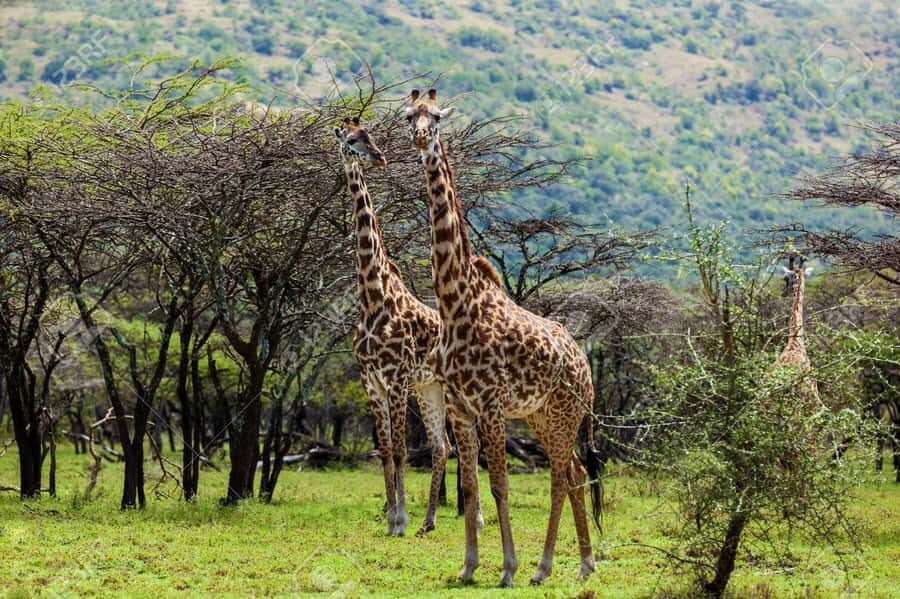
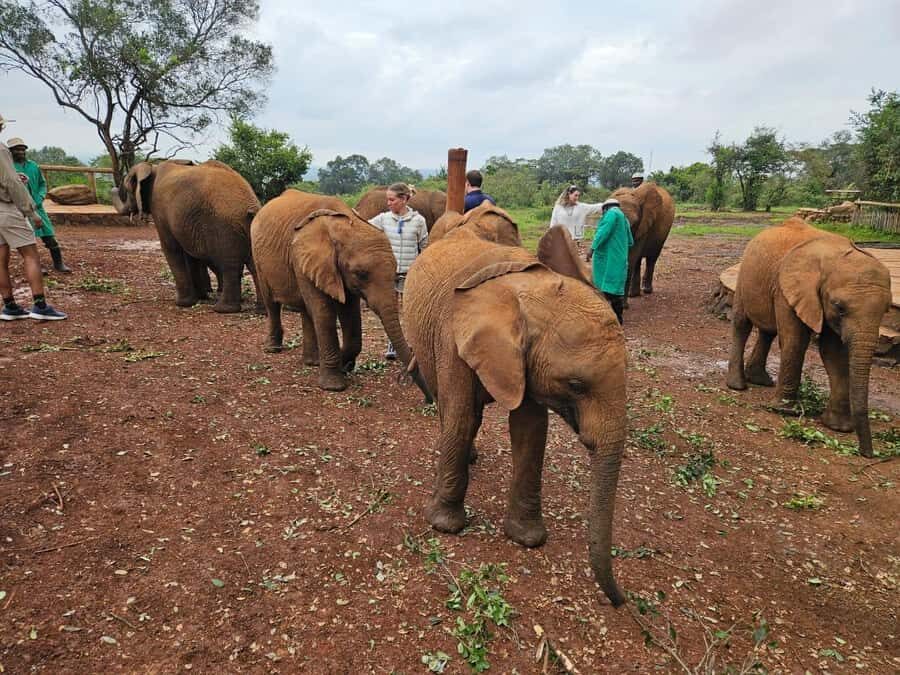
Next comes the big emotional highlight: the David Sheldrick Elephant Orphanage at the David Sheldrick Wildlife Trust. This is where you’ll spend time watching baby elephants wait to be fed, then play, splash, and move in ways that are hard to forget.
The feeding routine is the main event, and the tour includes a guaranteed ticket for the baby elephant experience. When it happens, it’s quick, loud, and oddly organized—like a tiny chaos parade with a purpose. You’ll see calves hold their giant milk bottles with their trunks and finish off gallons in a surprisingly efficient way.
The staff also provide each elephant with a personal story. That’s a meaningful detail because it turns the elephants from animal sightings into individuals with backgrounds you can actually understand. You’re not just watching feeding. You’re watching care work and early-life recovery.
What to look for while you’re there:
- Watch how the youngest elephants behave before the feeding starts. The energy level tells you a lot.
- Notice the way calves interact during playtime, including water activities and rough-and-tumble movements.
- Pay attention when the handlers explain what you’re seeing. Those notes make the whole experience feel educational instead of just exciting.
A balancing point: one past experience mentioned being slightly stuck in a more expensive souvenir area for too long. That doesn’t mean it will happen on your day, but it’s wise to mentally budget for shop time before you go in. If you prefer moving quickly, be ready to skip browsing and focus on the elephant area.
Cost note: the baby elephant fee is listed as $20. Even though the tour mentions a guaranteed baby-elephant ticket, the listed on-site fee suggests you should confirm what you personally have to pay on arrival.
Stop 3: Karen Blixen Museum and the Out of Africa connection
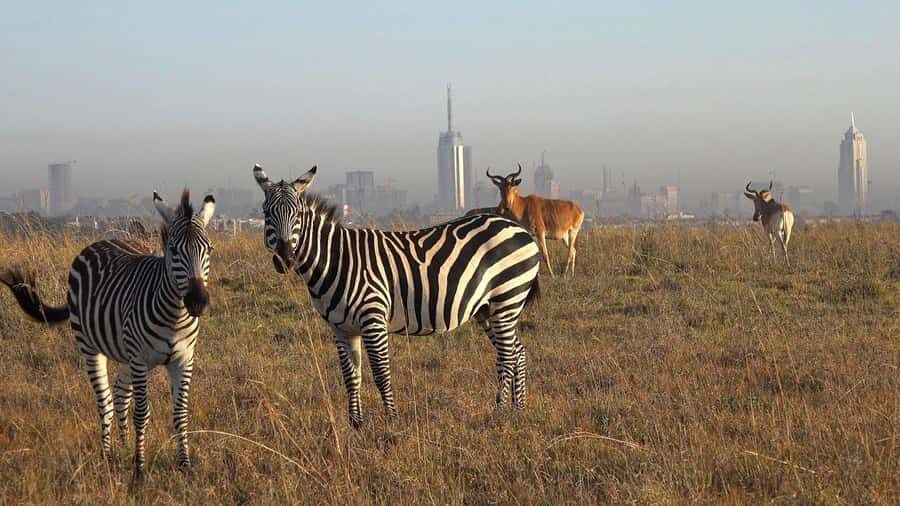
Your final stop is the Karen Blixen Museum, tied to the House of Out of Africa story. This is a very different pace from the wildlife stops. Instead of moving quickly between viewing areas, you shift into reading, imagining, and placing Kenya’s landscapes into a broader cultural context.
If you’ve seen Out of Africa, you’ll recognize the reference points. Even if you haven’t, it’s still a strong way to understand why Nairobi and its surrounding areas shaped so much of the story people associate with Kenya.
What you’ll likely enjoy here:
- A sense of place beyond the animals
- A calmer end to a fast 5-hour day
- Context that helps the wildlife experiences feel more connected to the region
Cost note: the Karen Blixen Museum entry is listed as $12 per person, which may be separate from the tour base price.

Price and value: what $34 really means (and what to budget)
The base price is listed at $34 per person for a 5-hour tour that includes hotel pickup and drop-off, a driver-guide, bottled water, and a safari mini van. That’s the easy part.
The part that can change your final total is entry fees and government conservation charges. Here’s what you should budget based on the listed costs:
- Nairobi National Park Conservation fees: $80 per person plus a $2 processing fee (credit card link provided)
- Baby elephant fee: $20
- Giraffe Centre entry: $15
- Karen Blixen Museum: $12
- Lunch: not included
So is it good value? For many people, yes—because you’re paying for more than transport. You’re paying for guided access, a guaranteed elephant entry ticket, and a smooth sequence of three stops in one go. If you tried to piece these visits together yourself, you’d spend time figuring out timing and admissions, and you’d still need reliable transport between them.
Still, don’t treat $34 as the full bill. Treat it as the tour rate, then add the listed fees to estimate what you’ll actually spend.
If you want the best outcome, confirm your exact inclusions in writing before you pay the remaining local fees.
Who should book this tour (and who should skip it)
This works best if you want:
- A short Nairobi day that covers two major wildlife experiences plus a cultural museum stop
- Guided explanation in English
- Hotel pickup and a straightforward schedule
It may not fit if you:
- Are looking for a long nature drive or a large wildlife safari day
- Have limited tolerance for animal-feeding crowds, noise, and quick viewing windows
- Are pregnant. This is listed as not suitable for pregnant women.
If you’re traveling with kids, it can be a strong choice because the elephant and giraffe feeding moments tend to grab attention fast. Just make sure everyone has comfortable shoes and can handle standing time and sun.
Tips that make the day go smoother
A few small moves can save you stress and make the experience feel more enjoyable:
- Arrive 15 minutes early at the meeting point. This reduces the chance of confusion and helps you start calm.
- Wear comfortable shoes with grip. You’ll walk between areas and stand during viewing.
- Bring a sun hat, especially for the giraffe stop.
- Use the guide time wisely. When your driver-guide explains behaviors and what to look for, it makes your photos and your understanding better.
- If you’re not into shopping, set a mental rule for yourself before you arrive so you don’t lose time in souvenir areas.
One more practical note: your guide may include small extra stops if time allows. Past experiences mention an added bead factory stop with some guides. If this matters to you, ask your driver-guide what the day’s flow looks like.
Should you book? My honest take
If you’re in Nairobi with limited time and you want a day that hits both conservation and storytelling, I think this is a solid booking. The combination of Giraffe Centre interaction, David Sheldrick baby elephant feeding, and the Karen Blixen Museum gives you a full arc: animals, care, and the human history tied to Kenya’s image abroad.
Book it if:
- You value guided access and don’t want to manage timing yourself
- You’re excited by feeding moments and close-up animal viewing
- You’re comfortable budgeting for separate entry and conservation fees
Skip or reconsider if:
- You only want to pay the base tour price and nothing else
- You hate souvenir-time interruptions
- You’re not comfortable with the feeding routine format and prefer a more leisurely wildlife setting
In short: for a practical Nairobi “greatest hits” day, this trip makes a lot of sense—as long as you go in knowing the full fee picture.
FAQ
How long is the tour?
It’s listed as 5 hours.
What stops are included in the experience?
The tour covers the Giraffe Centre, the David Sheldrick Elephant Orphanage (with guaranteed baby elephant entry ticket), and the Karen Blixen Museum.
Do I get hotel pickup and drop-off?
Yes. Pickup and drop-off are included, and you’ll be picked up at your hotel.
What should I bring?
You should bring comfortable shoes and a sun hat.
Is lunch included?
No, lunch is not included.
What language is the tour guide?
The live tour guide is listed as English.
Is the tour suitable for everyone?
It is not suitable for pregnant women.