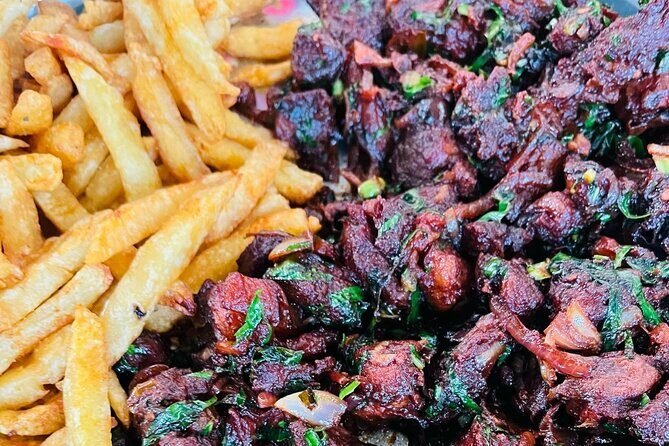
REVIEW · NAIROBI
Cook and enjoy African meals with Moreen
Book on GetYourGuide →Operated by Moreen Imari · Bookable on GetYourGuide
A home-cooked Kenyan meal starts at a market. You’ll meet Moreen in central Nairobi, pick ingredients at a local market, then head to her home to cook and eat together—very hands-on, very personal. I like that it’s not just watching. You actually shop, cook, and share the table, which makes the food feel real instead of packaged.
I also like the warmth. Reviews repeatedly mention Moreen’s lively hosting and her family welcoming you like you belong there. One thing to plan around: this isn’t set up for wheelchair users or guests with mobility impairments, so check your comfort with moving around a home and a busy market.
In This Review
- What Makes This Day Work So Well
- Market-to-Meal Day With Moreen: What the Experience Feels Like
- Starting in Nairobi and Finding the Ingredients First
- What to watch for at the market
- How the Market Tour Teaches You Kenyan Cooking Basics
- Cooking at Moreen’s Home: Expect Ugali, Pilau, Sukuma Wiki, and Chapati
- The dishes you may cook
- Why the lesson format works
- Enjoying the Meal Together: The Dining Table Moment
- What you should bring mentally
- Price and Value: Is $59 Worth It?
- Practical Rules and Small Stuff That Helps You Enjoy It
- Who Should Book This Kenyan Cooking Class With Moreen
- Quick Checklist Before You Go
- Should You Book This Day With Moreen?
- FAQ
- Where do we meet for the cooking class?
- What happens during the day?
- What dishes might I cook?
- What is included in the price?
- Is transportation included?
- What language is the class taught in?
- Are there any rules I should follow?
- Is it suitable for everyone with mobility needs or age limits?
- What is the cancellation policy?
What Makes This Day Work So Well
- Market shopping with a local host: you choose the ingredients that match the meal you’ll cook.
- Cook at Moreen’s home, not a classroom: it’s a homely setup that feels like visiting family.
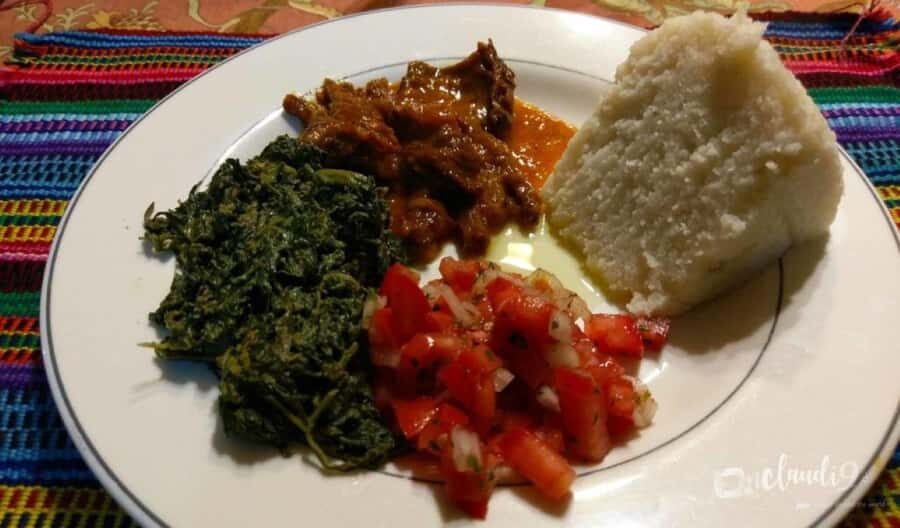
- Kenyan staples on the menu: dishes like Ugali, Pilau, sukuma wiki, and chapati come up.
- Hands-on guidance during prep: you can help whenever you want during cooking.
- You eat what you make, together: the dining table part matters because you see the full payoff.
- A friendly, lively group experience: the vibe is social without being performative.
Market-to-Meal Day With Moreen: What the Experience Feels Like

This is the kind of Kenyan cooking class that makes sense fast. You meet, you buy real ingredients, then you turn them into a meal you’ll actually eat. In one day you get the full chain: where food comes from, how it becomes flavor, and what it tastes like when it lands on a plate.
I love that it begins with shopping. Many “food experiences” skip the ingredient part and jump straight to cooking. Here, you start near the local market area, and you select what you need for the meal of your choice. That alone gives you a better feel for Kenyan cuisine because you’re seeing the raw materials, not just the finished dish.
Then comes the home kitchen. After the market visit, you head to Moreen’s place. Expect a warm, homely environment and a host who’s happy to talk through what you’re cooking—plus, based on what people report, Moreen’s family is part of the day too. That family energy turns the class from a technical lesson into a genuine cultural moment.
You can also read our reviews of more tours and experiences in Nairobi.



Starting in Nairobi and Finding the Ingredients First

The day typically begins at a central Nairobi meeting point where you connect with Moreen. From there, the plan includes a car ride to the market and later travel to the host’s home. One practical note: the activity does not list transportation as included, so you’ll want to confirm what’s covered for getting to the meeting area and between stops.
At the market, you’ll shop for ingredients according to the meal you’ve chosen. This is where you’ll notice the difference between “food in a kitchen” and “food in Kenya.” Ingredients look different when you’re holding them, choosing them, and asking questions.
And you won’t just be wandering. The purpose is clear: select what you need for your meal. You’ll also get a chance to interact with locals. Even if you don’t speak Swahili, the experience is designed with English and Swahili in mind, so you’re not left guessing.
What to watch for at the market
The market part is lively and hands-on. Bring a mindset for that. You’ll likely be handling produce and food items, so expect some sensory overload—colors, smells, and noise. If you’re the type who likes quiet museums, this may feel like a shift. If you like real life, it’s a good one.
How the Market Tour Teaches You Kenyan Cooking Basics

The most valuable part of the market isn’t the shopping itself. It’s the “why.” Moreen brings history and context into the cooking process, and the market trip sets you up to understand that context.
Here’s what that means for you. When you buy ingredients first, you begin to connect dishes to specific items—greens, grains, spices, and the staples that anchor many Kenyan meals. One review even called out that during preparation you learned about the origin of ingredients and the origin of the dishes. That kind of explanation changes your meal from just tasty into meaningful.
You’ll also get to see how ingredient choices affect flavor and texture. Kenyan cuisine has a strong comfort-food base. When you know what went into Ugali or sukuma wiki, you taste it differently later.
Also, you’re not stuck with a single set menu. You’re choosing ingredients based on the meal you want. That flexibility is especially useful if you have food preferences or if you’d like a more familiar dish.
Cooking at Moreen’s Home: Expect Ugali, Pilau, Sukuma Wiki, and Chapati
After shopping, you head to Moreen’s home and begin cooking. The class includes cooking lessons, and the tone is practical. You’ll cook with guidance, but it’s not a rigid “stand back and watch” setup.
People describe the cooking experience as interactive. During preparation, you can help whenever you want. That matters because it keeps the day from feeling like a show. You’re participating, not just observing.



The dishes you may cook
Based on the menu people received, don’t be surprised if these come up:
- Ugali (a staple that often anchors the meal)
- Pilau (spiced rice)
- Sukuma wiki (often prepared with leafy greens)
- Chapati (a flexible, crowd-friendly bread)
Different days may vary, but the presence of these classic dishes gives you a solid snapshot of Kenyan comfort food.
Why the lesson format works
This is a home-kitchen class. That means the teaching style is likely less formal and more conversational. You learn by doing: prepping, stirring, timing, seasoning. And because you’re cooking in someone’s real space, you get an “I get how this is made at home” feeling—useful if you want to recreate parts later.
Also, Moreen is described as happy to accommodate special requests. The data doesn’t list which requests are possible, so don’t assume dietary miracles. But it does signal that communication matters and flexibility exists.
Enjoying the Meal Together: The Dining Table Moment
The meal isn’t a quick photo stop and run. The experience ends with eating together at the dining table in the apartment. That shared eating part is one of the most praised aspects, and for good reason.
When you sit down as a group (and in this case, also with the host’s family energy in the mix), the day becomes a full circle. You see what the shopping and cooking created. You also get to ask questions while everyone is eating. It’s an easy way to learn without a lecture.
Reviews specifically mention that everything was delicious and that people felt comfortable right away. That comfort isn’t a small detail. In a cooking class, if you feel awkward, you stop asking questions. Here, the vibe seems designed to keep you engaged.
What you should bring mentally
Go in expecting a family-style setting. You may be offered a friendly pace and a few stories along the way. If you like food that has context—how people eat at home, how ingredients are chosen, why a dish is considered a staple—this meal part will satisfy.
If you’re very strict about silence, formal dining rules, or super timed schedules, this may feel too human and relaxed. But if you want authenticity, that’s usually the point.
Price and Value: Is $59 Worth It?
At $59 per person, this activity isn’t trying to be a bargain kitchen hack. It sits in the “experiential value” category, and you should judge it by what’s included.
You get:
- Local host services (Moreen guiding the experience)
- Soda, fruits, and water
- Cooking lessons
- The full arc: market shopping, cooking, and eating
Transportation is listed as not included, so factor that into your true cost to and from the meeting point. Still, even with your own travel costs to the start location, you’re paying for real instruction plus real food and a host-led day.
When does $59 feel like a great deal?
- If you want more than a tasting session
- If you care about learning how staples like Ugali and chapati are made
- If you value the social side—family interaction and conversation—more than a studio-class vibe
When might it feel less worth it?
- If you’re looking for a short, low-effort activity
- If you hate markets, or the idea of active cooking feels stressful
- If you need strict accessibility support (this experience isn’t suitable for wheelchair users or guests with mobility impairments)
In plain terms: it’s best value for people who want to work a little, learn a lot, and eat the result.
Practical Rules and Small Stuff That Helps You Enjoy It
This is a home-based activity, so basic conduct matters. The rules state:
- No weapons or sharp objects
- No smoking indoors
- No explosive substances
It’s also a good idea to dress and act like you’re going to cook and sit at home. Wear shoes you can move in, and plan for normal kitchen mess. If you’re bringing bags, keep them manageable so you’re not in the way during prep.
And since languages are English and Swahili, you can relax about communication. Still, simple patience helps. Food days move at human speed.
Who Should Book This Kenyan Cooking Class With Moreen
This fits best if you want an authentic Kenyan meal day where you do the work and eat the payoff.
You’ll likely enjoy it if:
- You like hands-on cooking, not just watching
- You want Kenyan staples like Ugali, Pilau, sukuma wiki, and chapati
- You enjoy meeting locals and hearing food context
- You prefer a homely, family-style environment
It may not be a fit if:
- You’re a wheelchair user (not suitable)
- You have mobility impairments and need step-free access (not suitable)
- You want a quiet, museum-like experience
Also, the activity notes an age suitability limit: it is not suitable for people over 70 and over 95. If you’re booking for someone in that range, you’ll want to consider comfort and stamina.
Quick Checklist Before You Go
Here’s a simple way to prepare without overthinking:
- Confirm how you’ll get to the meeting point since transportation is not included
- Expect market shopping and home cooking
- Wear comfortable clothes and move-friendly shoes
- Bring curiosity about ingredients and Kenyan dishes
- Plan for a friendly, social atmosphere at the table
Should You Book This Day With Moreen?
If you want a Kenyan cooking class that feels like a real home day—market first, then cooking, then eating together—this is a strong choice. The strongest signal is the combination of Moreen’s lively hosting, a homely environment, and the fact that you end up with a full, delicious meal you made yourself.
If you dislike markets, need wheelchair access, or you’re looking for a low-movement, no-participation activity, I’d pass. Otherwise, for food lovers who want more than a snack and a photo, this is exactly the kind of Nairobi experience that makes a memory you can actually taste.
FAQ
Where do we meet for the cooking class?
You meet at a central location in Nairobi to connect with the host, Moreen, before going to the market and then the host’s home.
What happens during the day?
You shop for ingredients at the local market, then return to Moreen’s home to cook a Kenyan meal with cooking lessons, and finally enjoy the meal together.
What dishes might I cook?
The menu described includes Ugali, Pilau, sukuma wiki, and chapati.
What is included in the price?
The activity includes local host services, cooking lessons, soda, fruits, and water.
Is transportation included?
Transportation is not included, so you’ll need to plan how you’ll get to the meeting point.
What language is the class taught in?
The experience is offered in English and Swahili.
Are there any rules I should follow?
Yes. Weapons or sharp objects are not allowed, smoking indoors is not allowed, and explosive substances are not allowed.
Is it suitable for everyone with mobility needs or age limits?
No. It is not suitable for people with mobility impairments, wheelchair users, people over 70, or people over 95.
What is the cancellation policy?
You can cancel up to 24 hours in advance for a full refund.