REVIEW · NAIROBI
3 Days Masai Mara Tented Camp & Transport 4 x 4 Jeep
Book on Viator →Operated by African Home Adventure Safaris · Bookable on Viator
Three days in the Mara moves fast. What makes it work is the mix of 4×4 jeep transport and long game-drive time that keeps you in the reserve when the animals are most active. You start in Nairobi, reach the park in time for an afternoon drive, then do another full day of searching on the open savannah.
I especially like the way this trip builds in packed lunch so you lose less time to logistics and more time to sightings. I also like the small group size, capped at 6 travelers, which usually means fewer “stop-and-start” interruptions when your driver is tracking wildlife.
One possible drawback: the trip includes the core safari drives and meals, but optional add-ons (like a nature walk or Maasai Village visit) cost extra, and day 3 ends with your return toward Nairobi/airport rather than a full extra park day.
In This Review
- Key highlights you’ll care about
- Why Masai Mara in 3 Days Can Feel Just Right
- Nairobi to the Rift Valley Viewpoint, Then Into Maasai Mara
- Afternoon drive timing: why you won’t just waste the daylight
- Big Five promise, with realistic expectations
- Full-Day Game Driving and a Picnic by the Mara River (Day 2)
- Why a whole day beats “one more stop”
- Picnic lunch location: the Mara River factor
- Early Options on Day 3, Then Back to Nairobi
- The trade-off with a short safari
- The 4×4 Jeep and Driver-Guide: Where the Experience Usually Makes or Breaks
- How to get more from your seats
- What’s Included: Meals, Park Access, and How Value Actually Adds Up
- Tented camp dinners are part of the package
- Price and Logistics: Is $955.89 Per Person Fair?
- Tips for Planning Your Photos, Packing, and Comfort
- Who This Masai Mara Safari Is Best For
- Should You Book This 3 Days Masai Mara Tented Camp & Jeep Safari?
- FAQ
- FAQ
- Where does the safari start and how do transfers work?
- What time does the tour depart?
- How long is the safari?
- What meals are included?
- Is park admission included?
- How many travelers are in the group?
Key highlights you’ll care about
- Max game-drive time with an afternoon drive on day 1 and a full day on day 2
- 4×4 jeep safari transport designed for off-road tracking inside the reserve
- Tented-camp stays with dinner and overnight after each park day
- Packed meals handled for you, including picnic lunch inside the reserve
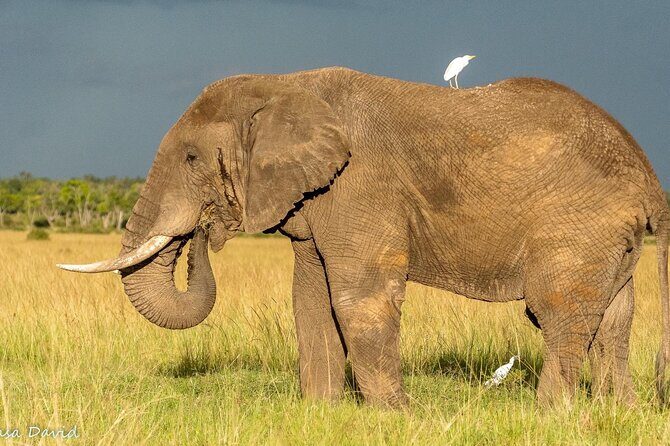
- Big Five focus alongside lots of other wildlife and birds
- Small group (up to 6) for a more controlled, less hectic safari pace
Why Masai Mara in 3 Days Can Feel Just Right
If you’ve only got a short window, the Masai Mara is a smart choice because it packs a lot into a small amount of time. In three days, you get two main days of game driving (plus the chance to wake up early on day 3) without turning the trip into a travel marathon.
What I like about this format is that it doesn’t treat the safari like a checklist. It treats it like a hunt for the best light and the best animal movement. You’ll be heading out from Nairobi early enough to reach the reserve in time for the afternoon window, and then you’ll spend the next day exploring all day. That rhythm matters, because wildlife sightings often come from being in the right place at the right time, not from rushing from one spot to another.
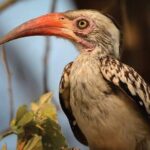
Also, the birdlife here is a big deal. You’ll see that the reserve supports 450+ bird species, so even if you’re focused on mammals, you’ll still have plenty to watch besides lions and elephants.
A few more Nairobi tours and experiences worth a look

Nairobi to the Rift Valley Viewpoint, Then Into Maasai Mara
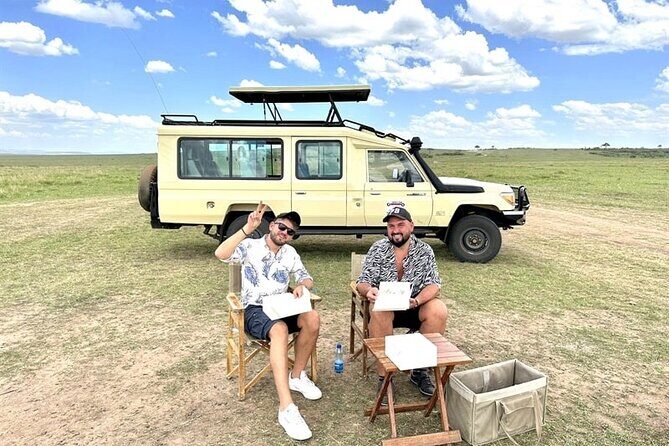
Your day starts with a morning departure from Nairobi, with pickup offered and a start time listed as 7:00 am (your exact departure can vary based on where you’re picked up). The drive heads toward the Rift Valley, with a quick stop to take in the view of the escarpment for about 10 minutes.
That short break is more than a stretch stop. It gives you a sense of how the land changes before you hit the Mara. Kenya’s geography can feel abstract on maps; a quick roadside view makes it real fast. Then you continue on and reach the reserve around 1:00 pm, which is perfect for an afternoon game drive.
Afternoon drive timing: why you won’t just waste the daylight
Afternoons can be great for sightings because animals are often moving to feed and water, and you can still enjoy a long stretch before the light fades. Your afternoon drive runs until about 6:30 pm, when you’ll wrap up and head to camp for dinner and night.
One practical plus: lunch is arranged as a quick packed lunch to take inside the park. That means you’re not stuck searching for food while your driver is watching for movement.
Big Five promise, with realistic expectations
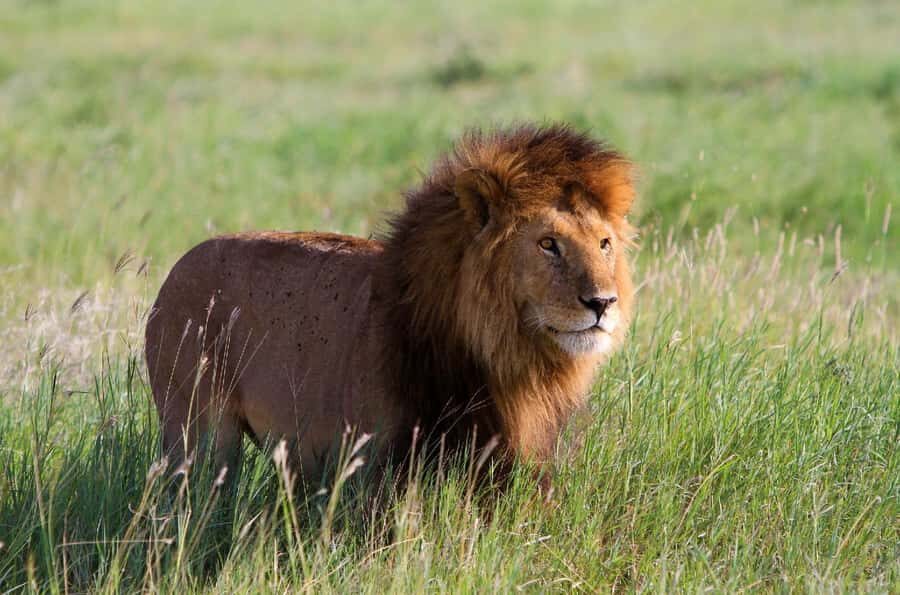
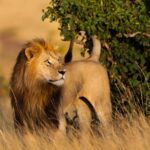
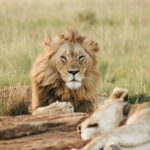
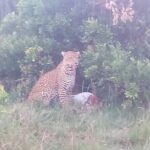
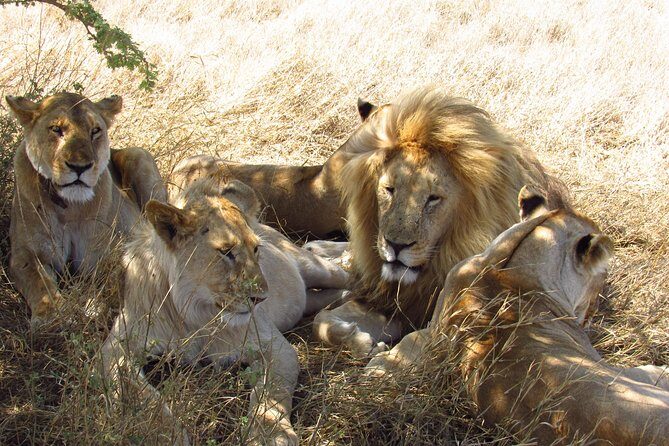
This is a Big Five-oriented itinerary, so you’ll be looking for rhino, lion, leopard, buffalo, and elephant. It’s worth keeping expectations grounded: in a place like the Mara, sightings depend on where animals are that day. But the structure here helps because you’re out in the reserve enough hours to give wildlife a fair chance to show up.
And when you do spot animals, it’s usually not one-and-done. The best moments are when your driver keeps tracking and you get to see how animals behave—grazing, moving peacefully, reacting to the landscape.
Full-Day Game Driving and a Picnic by the Mara River (Day 2)
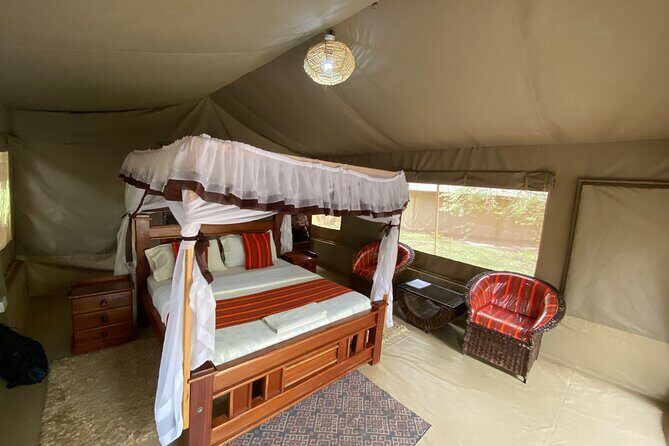
Day 2 is the day you’ll remember for the hours. You’ll have breakfast around 6:00 am, then leave the camp with a packed picnic lunch at 6:30 am. From there, you’re in the reserve for the kind of long exploring that makes it feel like a real safari, not a drive-by.
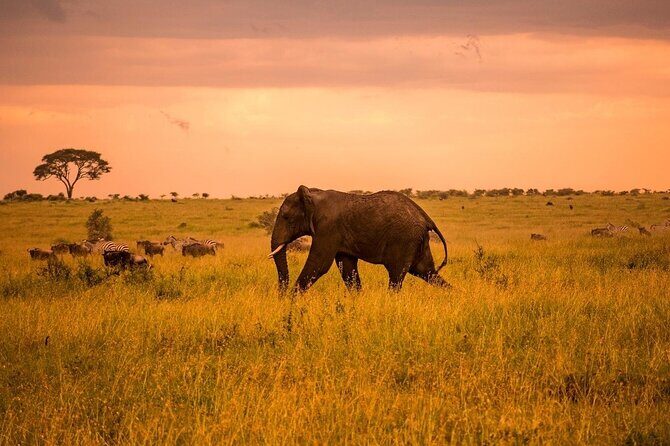
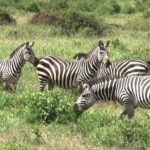
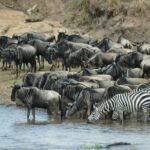
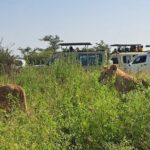
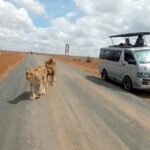
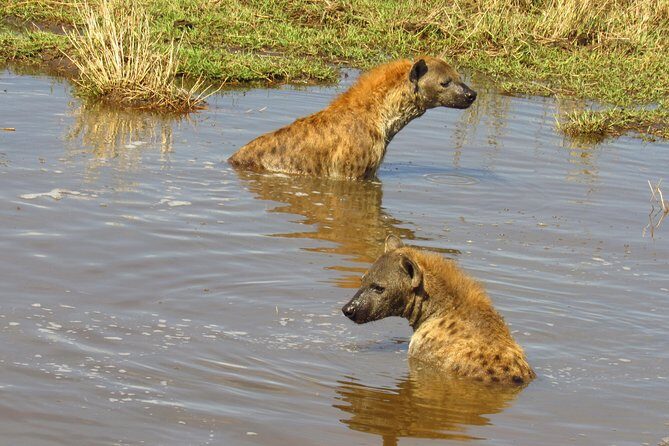
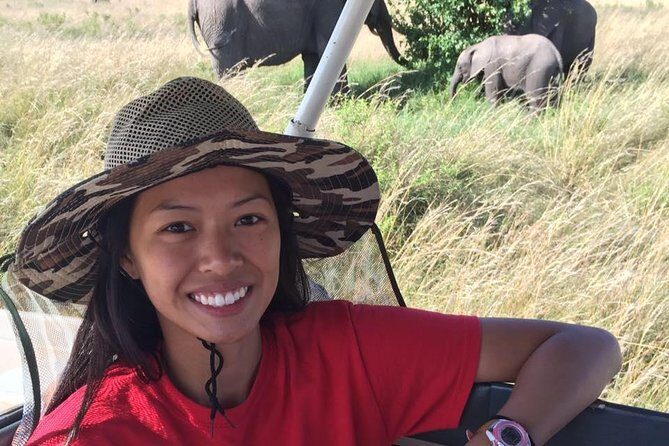
The itinerary emphasizes scanning for the Big Five again, but it also highlights the broader mix of wildlife you’re likely to encounter: wildebeest, zebra, warthog, jackals, antelopes, giraffe, and crocodiles (especially where the water edges matter). Lions and leopards can be trickier than elephants, but the longer time on the ground increases your odds.


Why a whole day beats “one more stop”
A common safari mistake is trying to maximize the number of “places.” This trip instead maximizes time inside the reserve and uses that time for repeated searching. That’s how you end up with better odds for animal variety, and it’s also how you get more chances for the animals you care about most.
If you’re the kind of person who loves birds, this day is especially rewarding. The Mara records over 450 bird species, so you’ll likely find yourself slowing down to check calls, colors, and movement in the trees and grasslines, even while you’re still watching for mammals.
Picnic lunch location: the Mara River factor
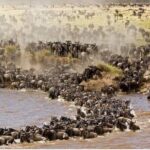
Lunch is served inside the reserve along the banks of the Mara River, which is also described as a key point for the wildebeest migration. Even if you don’t time your trip for the migration peak, being by a river system is often helpful for wildlife viewing. Water draws animals. And that’s what your driver is looking for—signs of activity and movement near resources.
Dinner and overnight in camp bring you back into “camp life” after the long day, which is a nice break from constant scanning.
Early Options on Day 3, Then Back to Nairobi
Day 3 starts early, and this is where you can shape the trip a little. After waking up, you have optional activities within the reserve such as a guided nature walk or a Masai Village visit. The tour notes these as options, so you’re not locked into them, and you can choose what fits your interests and energy.
Then you’ll check out and load your luggage for the return to Nairobi. The plan is to arrive back in Nairobi in the late afternoon, followed by a transfer to Jomo Kenyatta International Airport for your flight or to a Nairobi hotel, based on your drop-off request.
The trade-off with a short safari
With only three days, day 3 can’t be a full repeat of the earlier drives. That’s the trade. You’re gaining flexibility to add a cultural or on-foot nature component, but you’re giving up a full final day of extensive jeep time.
Still, if your top priorities are lions, elephants, and the Big Five, the real weight of the safari is already on days 1 and 2. Day 3 is your chance to round it out, not to replace the core wildlife hours.
The 4×4 Jeep and Driver-Guide: Where the Experience Usually Makes or Breaks
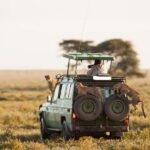
On safari, the vehicle is more than transport. A 4×4 jeep is what lets you follow tracks, adjust routes, and stay with the animal activity you’re seeing. Here, the route is built for spending real time in the reserve, not just driving between gates.
But the bigger factor is your driver-guide’s style. The best parts of this kind of Masai Mara trip often come down to how confidently the driver keeps working the landscape—whether they can read signs, position you for movement, and keep finding new activity rather than letting the drive fade.
In the feedback you provided, specific names come up—Jared, David, and Gorgia—and the common theme is professional guiding paired with a focus on not cutting short the search for wildlife. That matters because you’re paying for time in the field. A guide who treats that time like it’s valuable usually makes the day feel fuller.
How to get more from your seats
Since you’ll be riding in search mode, it helps if you’re ready to react quickly to sightings. Keep your camera accessible, know that dust and sun can be part of the deal, and be willing to move your attention from one species to the next without getting stuck on a single wish.
If you’re hoping for a specific animal—like lion—remember that you’re not just chasing a checklist. You’re watching patterns: where prey might be, where water might be, and where animals feel safe enough to stay visible.
What’s Included: Meals, Park Access, and How Value Actually Adds Up
This safari includes a lot of the stuff that usually eats up your time and energy. You’ll have breakfast (2), lunch (3), and dinner (2) included, which is a big deal in a remote park setting. Meals are often where people feel the pinch on safari budgets, so having it handled for you is a real convenience win.
The tour also notes admission ticket status by day. For day 1 and day 2, admission ticket is free. On day 3, admission ticket is not included, though day 3 is framed around optional activities inside the reserve and then your return. So you should think of the day-3 extras as something you may pay separately, depending on what you choose.
Not included:
- Parking fees
- Optional activities
Tented camp dinners are part of the package
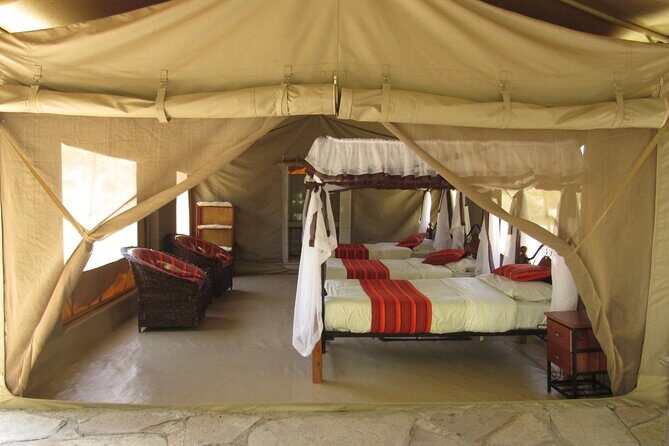
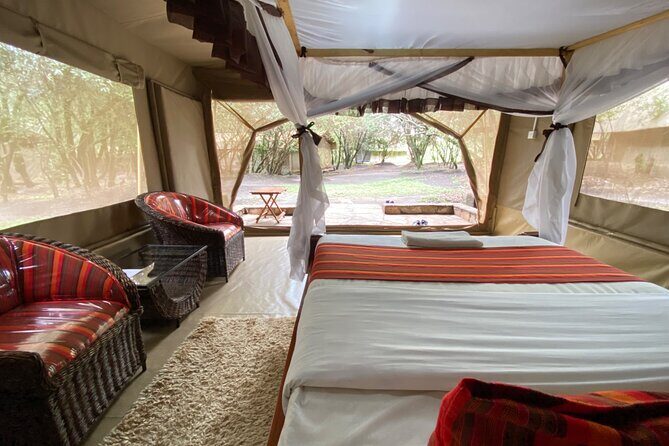
Camping isn’t just a place to sleep. It’s where you recover between drives. After an afternoon drive on day 1 and a full day on day 2, the included dinner and overnight give you a stable routine. That matters on a short trip: you want your body to reset so you can enjoy the next early start.
Price and Logistics: Is $955.89 Per Person Fair?
At $955.89 per person for about 3 days, this is positioned as a fairly focused, full-safari package rather than a cheap “grab-and-go” option. Value here comes from what’s bundled:
- Transport in a 4×4 jeep
- Nairobi pickup is offered
- Tented camp stay with dinner and overnight
- Meals: two breakfasts, three lunches, two dinners
- Long time in the reserve, especially day 2
- Small group limit (6 travelers max), which helps the day run smoothly
What you should watch is what’s not included: optional activities on day 3 and parking fees. If you add the nature walk or Masai Village visit, your all-in cost rises. But you’ll also get variety beyond jeep driving, which can be worth it if that’s your kind of safari.
Another logistics point: you’ll likely be doing an early start, long driving days, and then leaving in the late afternoon on day 3. If you hate early mornings, this isn’t the smoothest fit. If you like starting early and maximizing daylight, it’s a good match.
Tips for Planning Your Photos, Packing, and Comfort
The tour info doesn’t list packing specifics, so use common-sense safari prep:
- Bring sunglasses, a hat, and sunscreen for long daylight hours.
- Pack light layers you can adjust as morning shifts to late afternoon.
- Have a small day bag for water, camera gear, and what you need during game drives.
- If you wear glasses, consider a strap so they don’t go missing when you’re scanning from side to side.
- Expect dust on drives and plan to protect lenses and your camera.
Also, keep a flexible mindset about timing. Wildlife doesn’t move on schedules, so your comfort with waiting and scanning affects how you feel about each day.
Who This Masai Mara Safari Is Best For
You’ll get the most out of this tour if you:
- want a short Masai Mara trip that still includes meaningful time in the reserve
- care about the Big Five, but also enjoy seeing lots of other animals and birds
- like structure: early starts, packed meals, and minimal time spent figuring out logistics
- value a small group experience more than large-bus energy
It’s also a good fit if you want a mix of safari and options on day 3. The guided nature walk and Masai Village visit options can add a different angle beyond jeep viewing.
Should You Book This 3 Days Masai Mara Tented Camp & Jeep Safari?
I think you should book this safari if your goal is simple: maximize wildlife time in Masai Mara over just 3 days, with meals and transport handled for you. The combination of two substantial days in the reserve, tented-camp evenings, and a small group limit makes it feel efficient without feeling rushed.
I’d pause before booking if you know you want lots of optional activities on day 3, because those aren’t included. I’d also hesitate if you strongly dislike early starts, since day 2 especially runs on early morning timing for a full day of driving.
If you’re trying to decide, here’s the easy test: are you excited to spend long hours looking, waiting, and scanning from a 4×4 jeep? If yes, this is a strong choice. If not, you might prefer a slower safari rhythm with fewer drive hours.
FAQ
FAQ
Where does the safari start and how do transfers work?
The tour is set up around Nairobi, with the listed start point at Jomo Kenyatta International Airport (JKIA), Embakasi, Nairobi. Pickup is offered, and on day 3 you’ll be transferred either to JKIA or to a Nairobi hotel, based on your drop-off request.
What time does the tour depart?
The tour lists a 7:00 am start time. Day 1 also describes leaving Nairobi at about 7:30 am, so your exact departure may vary with pickup location.
How long is the safari?
It’s a 3-day experience (approx.).
What meals are included?
You’ll have breakfast (2), lunch (3), and dinner (2) included during the trip.
Is park admission included?
Admission is listed as free for day 1 and day 2. On day 3, admission is noted as not included, especially relevant if you choose optional activities.
How many travelers are in the group?
The group size is capped at a maximum of 6 travelers.