REVIEW · NAIROBI
Nairobi National park sun rise game drive with pickup & drop-off
Book on Viator →Operated by Nairobi and Beyond Safaris · Bookable on Viator
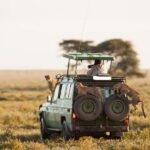
A 6 a.m. start changes the whole day. This sunrise game drive in Nairobi National Park gives you real wildlife time close to the city, with pick-up and drop-off that makes the logistics easy. I like how the early timing lines up with when animals are active, and you’ll also get an easy, structured route led by the safari team.
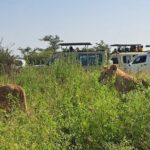
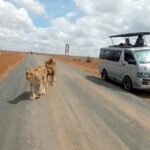
I also like the way the drive is built around Nairobi National Park’s key pull: you can reasonably hope for rhinos, lions, leopards, and buffaloes in a park that sits just a short distance from the capital. And because it’s a group tour with an air-conditioned vehicle and bottled water, you spend less energy on comfort details and more on scanning the plains for movement.
One thing to consider: one rider flagged that a vehicle can feel less than ideal, so if vehicle condition matters a lot to you, it’s worth asking what kind of vehicle you’ll be riding before you head out.
In This Review
- Key things to know before you go
- Sunrise at Nairobi National Park: why 6:00 am is the smart choice
- Nairobi National Park close to the capital: what animals you should picture
- Game drive time: how the morning route tends to work
- Nagolomani and hyena dam: the waterhole moments that stick
- Impala Picnic and the ivory-burning site: breaks that add meaning
- Outside-the-park coffee stop: a realistic end to your morning
- Price and value for $44: what you’re paying for
- Group size, comfort, and the one complaint worth taking seriously
- Who this sunrise game drive is best for
- Should you book this Nairobi sunrise game drive?
- FAQ
- What time does the Nairobi National Park sunrise game drive start?
- How long is the tour?
- Do I get pickup and drop-off?
- What wildlife can I expect to see?
- Is lunch included?
- Is the entrance fee to Nairobi National Park included?
- What is the cancellation policy?
Key things to know before you go
- A true sunrise schedule: the start time is 6:00 am, with the park drive beginning early enough to catch morning action.
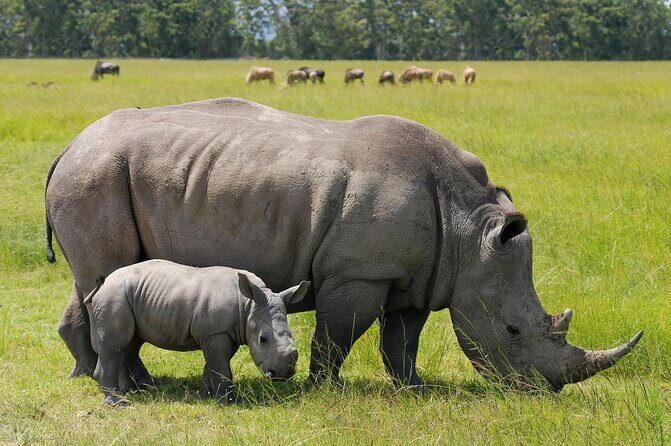
- Big wildlife, city-close: Nairobi National Park is known for black and white rhinos, lions, leopards, and buffalo in a compact area.
- A route with planned stops: you’ll pause around Impala Picnic and the park’s ivory-burning site, then exit around late morning.
- Waterhole and predator timing: stops are associated with spots like Nagolomani and hyena dam, where activity often connects to animal routines.
- Guides try hard for sightings: the name James came up in feedback, and the effort to move for animals is part of the experience.
- Return by late morning: you’re generally back around the 10:30 am window, plus a final coffee stop outside the park.
Sunrise at Nairobi National Park: why 6:00 am is the smart choice
The best safari lighting isn’t just about photos. Early morning changes animal behavior. When the day is still cool and the light is soft, wildlife often moves more—grazers start early, predators hunt with better visibility, and the whole park feels less tired than later in the day.
Your day kicks off with pickup at about 6:00 am from your hotel or the airport (if you’re arriving and want an activity that doesn’t swallow your whole layover). Then you drive straight to the park entry gate and begin the game drive with the morning sun coming up over the savannah.
This tour is also designed for real schedules. The total duration is listed as about 6 hours, and the plan typically runs until you’re exiting the park around 10:30 am, followed by a coffee stop outside before drop-off. That makes it a strong pick if you’re trying to fit Nairobi National Park into a busy itinerary without spending the day on the road.
You can also read our reviews of more tours and experiences in Nairobi.


Nairobi National Park close to the capital: what animals you should picture
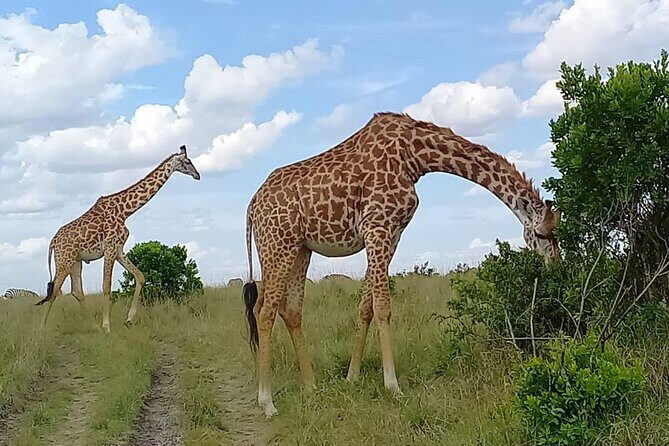
Nairobi National Park is famous for a simple idea: big wildlife right next to a major city. That’s not marketing fluff. The park’s setting means you can see the kind of animals people travel hours to reach, without leaving Nairobi’s orbit.
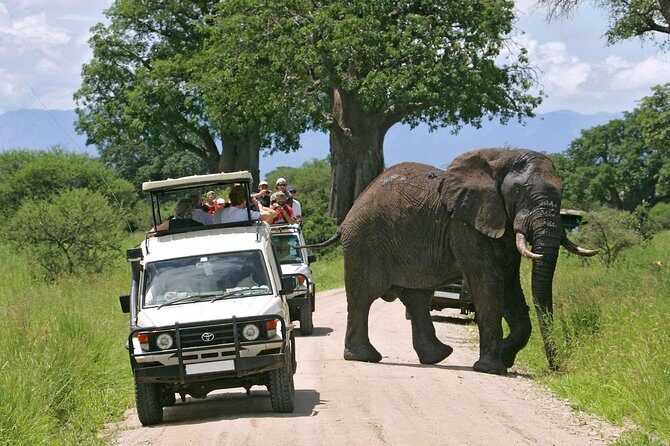
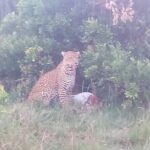
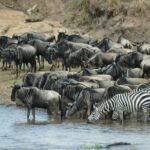
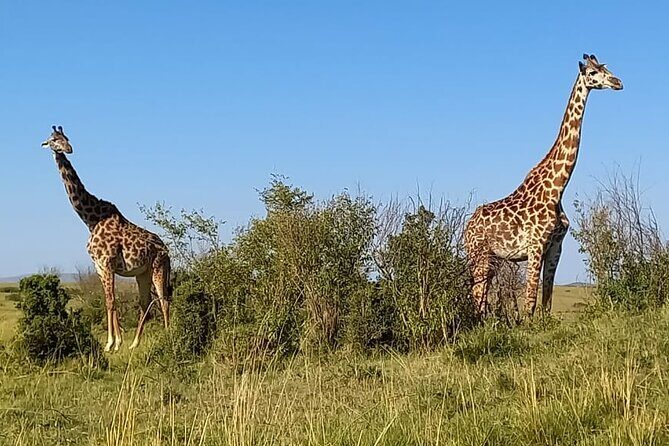
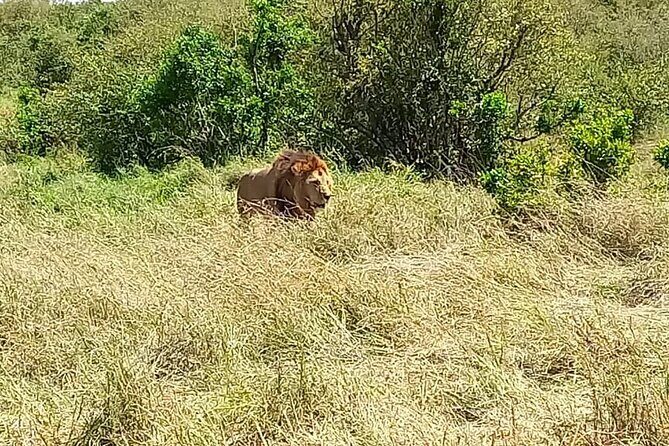
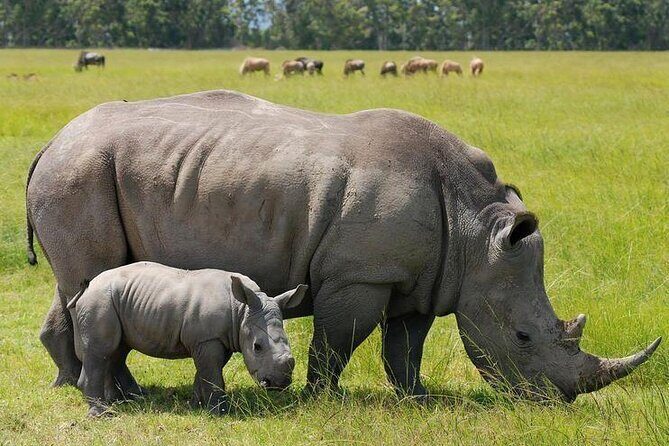
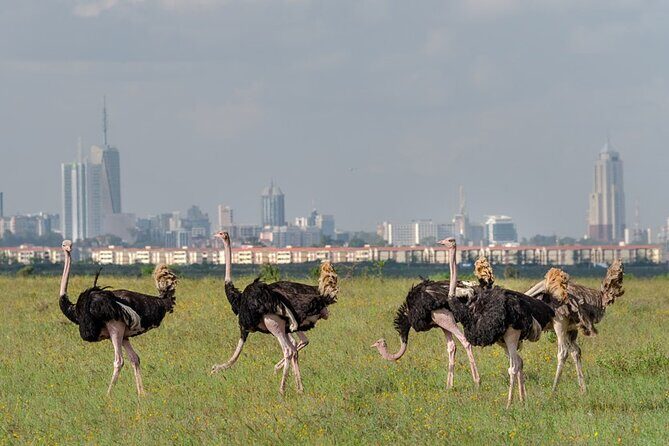
From the tour description, the main draw is that the park is home to black and white rhinos, plus lions, leopards, and buffaloes. It’s also a place for other sightings like giraffes and zebras, and it even brings in water-based wildlife such as crocodiles. You’re not just chasing one or two species—you’re driving through a system of plains, waterholes, and habitat where different animals use different spots at different times.
The group setting matters here. You’re in a group tour, and the safari vehicle will be scanning constantly. That can be great because it spreads the eye-power. When somebody spots movement, the group reacts quickly, and you get a better chance of catching a moment before it’s gone.
Keep expectations grounded, though. A safari is always “wildlife depends.” Even with a skilled guide, you might not see every species in a single morning. The good news is that the park’s variety—savannah, birds around the vegetation, and water areas—gives you multiple chances for different kinds of sightings.
Game drive time: how the morning route tends to work
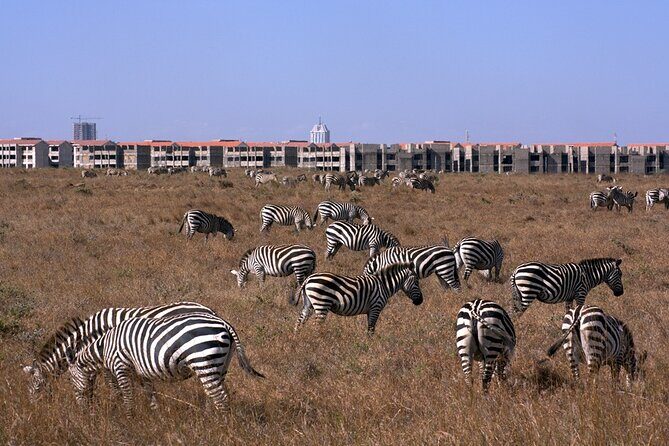
Once you enter the park, your morning is structured around active wildlife zones and strategic short stops. The drive is designed for the morning’s best window, and you’ll spend that time scanning for predators and grazers rather than rushing from one far spot to another.
You’ll also get a couple of named stop moments that help break up the drive and give you better viewing time. These are especially useful on a sunrise tour, because your attention is split between watching animals and soaking in the changing light.
One important practical detail: the vehicle is air-conditioned and comes with bottled water. That matters because you’ll likely be up early, and you don’t want the comfort level to be the limiting factor. In hot places, especially on mornings that start cool but can warm up quickly, having water and a cooler cabin helps you stay focused outdoors.
Nagolomani and hyena dam: the waterhole moments that stick
Two spot names are part of the experience story: Nagolomani and hyena dam. These areas matter because water is where timing collects. Grazers return for overnight recovery, and that movement often pulls in other wildlife—sometimes predators, sometimes scavengers.
The tour description specifically points to crocodiles around these water-related stops as animals return to pods after overnight grazing. It also flags hyena dam as a place tied to those routines. In plain terms: if the park is doing its usual thing, waterholes tend to create repeatable action, even when it feels like the rest of the savannah is quiet.
For you as a photographer, this is where you’ll likely slow down and get shots that look more like “a moment in the wild” than “a distant silhouette.” Water edges also give you better chances of seeing animal behavior—positioning, movement, and interaction—because so many animals converge there.
Impala Picnic and the ivory-burning site: breaks that add meaning
A morning drive can turn into nonstop looking if the schedule never breaks. This tour includes stopovers that do more than stretch legs.
One stop is at Impala Picnic, which works as a natural pause during the game drive—useful when the sun is climbing and wildlife activity is shifting. Another planned moment is at the park’s ivory-burning site. That stop adds context and a different kind of attention than the animals-focused scanning. If you care about conservation themes, it gives your morning more substance than just spotting.
The key drawback to know: these are short stops. You won’t get a long cultural lesson. You’ll get enough to understand the purpose and then get back out into the park while conditions are still good.

Outside-the-park coffee stop: a realistic end to your morning
After the game drive, you generally exit around 10:30 am. Then there’s a coffee shop stop outside the park before you’re returned to your hotel.
This is a smart design choice. You’re not dropped back at your lodging empty and exhausted. You’re also not stuck in “what do we do for food now?” mode immediately after the safari.
Lunch, though, is not included. If you’re hungry later, plan for a late breakfast-to-lunch shift. Sunrise tours make you think you can go all day on adrenaline. You’ll probably need real food by afternoon.
Price and value for $44: what you’re paying for
At $44 per person, this tour is positioned as a practical Nairobi activity. It’s not trying to be a luxury private safari. It’s built for value: morning timing, a shared guide-led route, and transport that covers pickup and drop-off.
Here’s what you get for your money:
- Air-conditioned vehicle for the early drive
- Bottled water
- Convenient pickup and drop-off
- Admission ticket is indicated in the tour summary, but the list of what’s not included also points to park entrance fees being separate
That last point needs a quick reality-check before you book. The info you have suggests admission may be included, but the park entrance fee is listed as not included. So for best value, confirm what’s covered at checkout or in your confirmation message. When you do, you’ll know whether $44 is truly all-in for entry or whether there’s an add-on.
Either way, the real “value” is time. With a sunrise schedule and a late-morning return, you’re buying a wildlife experience without sacrificing your whole day in Nairobi. If you only have a short stay or you’re on a layover, this format is usually the best way to get a strong first taste of Kenya without a longer safari commitment.
Group size, comfort, and the one complaint worth taking seriously
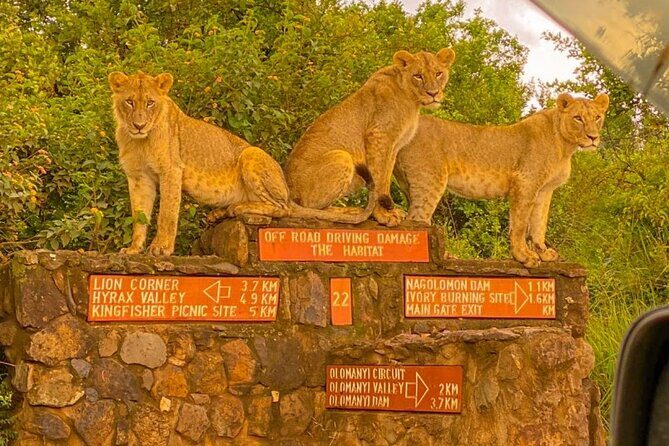
This tour is capped with a maximum group size of up to 100 travelers. That’s big, but remember: the vehicle you ride in and how sightings are handled matters more than the headcount on paper. In a big group, you still want the guide to be effective at keeping everyone informed and positioned.
Comfort is usually handled by the air-conditioned vehicle and bottled water. Still, one rider gave the tour 4 out of 5 and mentioned the vehicle was in poor condition, which affected comfort. The provider response indicated they took that feedback seriously and planned to rectify it.
So here’s my advice: if you know you’re sensitive to ride quality, check the vehicle details ahead of time. Ask what the vehicle is like, whether it’s in good working order, and if you can request a specific type of vehicle. It’s a small step that can keep your sunrise from feeling like a rough commute.
Who this sunrise game drive is best for
This is a good fit if you:
- Have limited time in Nairobi and want a wildlife hit early
- Want pickup and drop-off to reduce stress, especially if you’re flying in
- Prefer a structured morning experience rather than arranging a self-drive setup
- Want a group tour price that’s easier to manage than private safaris
It may be less ideal if you:
- Expect guaranteed big cat sightings every time (no safari can promise that)
- Are very picky about vehicle condition and won’t tolerate a ride that doesn’t feel well maintained
If you’re the type who enjoys the process—scanning, waiting, and reacting when something moves—this morning plan plays to your strengths.
Should you book this Nairobi sunrise game drive?
I’d book it if you want a close-to-the-city safari that fits real schedules. The 6:00 am start, the park’s mix of species (rhinos, lions, leopards, buffalo, and water-based wildlife), and the late-morning return make it a solid “high payoff for limited time” choice.
But I’d also do one practical thing first: confirm what’s included for entry, since the details you have mention both admission and park entrance fees in different ways. Then ask about vehicle condition if comfort is a priority for you. If those boxes are clear, this is a straightforward way to experience Nairobi National Park at the hour when the day is young and wildlife is most active.
FAQ
What time does the Nairobi National Park sunrise game drive start?
The start time is 6:00 am.
How long is the tour?
It runs for about 6 hours (approx.).
Do I get pickup and drop-off?
Yes. Convenient pickup and drop-off are included.
What wildlife can I expect to see?
Nairobi National Park is described as home to black and white rhinos, lions, leopards, and buffaloes, along with animals such as giraffes and zebras and water wildlife like crocodiles.
Is lunch included?
No, lunch is not included.
Is the entrance fee to Nairobi National Park included?
The details you have show admission ticket included, but also list park entrance fee as not included. Confirm what applies to your booking before you go.
What is the cancellation policy?
Free cancellation is allowed up to 24 hours in advance for a full refund. If you cancel less than 24 hours before the start time, the amount paid is not refunded.