REVIEW · NAIROBI
Nairobi National Park Daily Game drives.
Book on Viator →Operated by Live in Love Kenya tours and travel · Bookable on Viator
Nairobi National Park is wildlife where your watch still matters. This half-day game drive is one of the fastest ways to see Big Four animals from inside the city limits, with an air-conditioned 4×4 and an open pop roof for photos. You also get a professional guide and a route that focuses on the park’s key waterholes and scenic spots, so your time doesn’t vanish in long stops and dead driving.
I love the practicality here: hotel pickup and drop-off anywhere in Nairobi, plus a tightly planned 4 to 6 hours. You’ll also appreciate the small group size (up to 16), which makes it easier for your guide to pause often and reposition for better sightings. One thing to keep in mind: the half-day format moves fast, and gates/traffic can stretch the schedule, so I’d plan extra breathing room if your day is packed.
In This Review
- Why Nairobi National Park Feels Like a City Safari
- Price and Logistics: What Your $60 Covers (and What It Doesn’t)
- Getting Picked Up in Nairobi Without Losing Your Mind
- Inside the Park: How Your Half-Day Game Drive Gets Structured
- Hippo Dam: Where Waterbrings the Drama
- Hyena Dam: A Strong Bet for Predators and Scavengers
- Ivory Site Burns and River Lines: Scenery With Purpose
- Big Four Sights: What You Might See and What to Expect
- Choosing the Best Time: Morning Views and Photo-Friendly Timing
- Guides Make the Difference: Names, Styles, and What to Watch For
- Who Should Book This Nairobi Game Drive (and Who Might Want More)
- A Simple Booking Verdict: Should You Book This?
- FAQ
- How long is the Nairobi National Park daily game drive?
- Do I get hotel pickup and drop-off in Nairobi?
- What’s included in the tour price?
- Are the park entrance fees included?
- Where does the tour start and end?
- How many people are in a group?
- What’s the cancellation rule?
Why Nairobi National Park Feels Like a City Safari
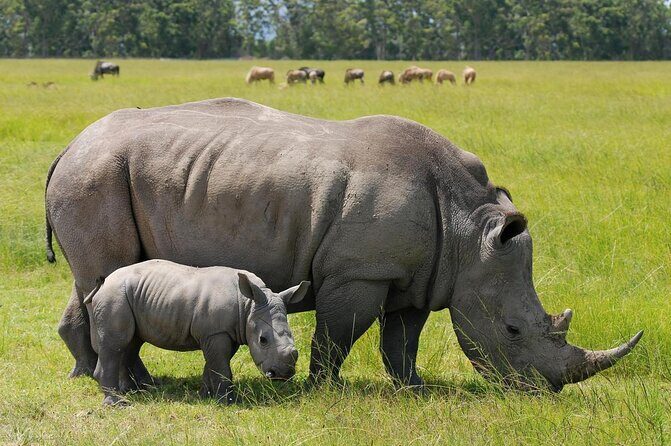
Nairobi National Park sits about 7 km south of Nairobi, established back in 1946. It’s fenced on three sides, but the southern boundary is open—so wildlife can move between the park and the nearby Kitengela plains. That mix is part of why the park can feel alive, even though you’re still in the city’s orbit.
The park is also famous for one simple reason: it’s the only place in Nairobi where you can do a proper wildlife drive without leaving the city. You get the classic safari tension—will that movement be a lion, or just another patient shadow?—without the multi-day travel grind.
For animal viewing, the park shines especially during the dry season, when herbivores often gather in the park. When prey is easier to find, predators tend to get more attention, too. And yes, you’re in Big Four territory: lions, leopards, rhinos, and elephants are all part of the park’s story.
If you can time your drive for an early start, you may catch the dramatic Nairobi-in-the-morning look—fog over the city with savanna stretching beyond it. One group specifically praised an early option (around 5:30 AM) for the foggy skyline feel and strong sightings right as the day wakes up.
Price and Logistics: What Your $60 Covers (and What It Doesn’t)
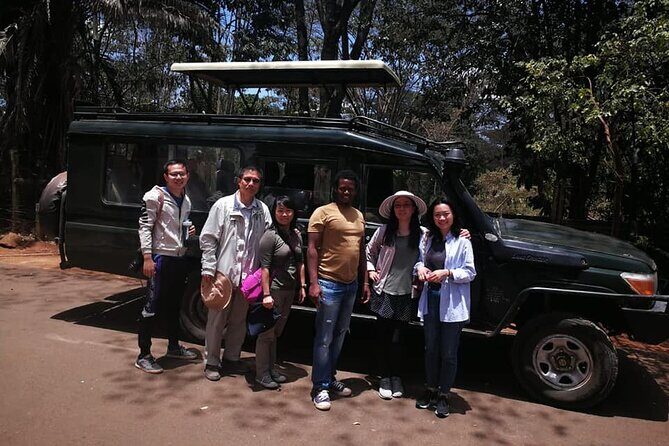
At $60 per person for a half-day, this tour is built for travelers who want wildlife now, not later. You’re paying for more than “a seat in a car.” You’re paying for: an air-conditioned vehicle, 4×4 transport, a professional guide, and hotel pickup/drop-off across Nairobi. Add in mobile ticketing and the day can feel unusually efficient.
Here’s the value angle: many Nairobi-based wildlife plans either cost more for convenience or lose time to messy logistics. This one is designed to keep the day tight—around 4 to 6 hours—so you can still do other Nairobi stops the same day.
What’s not included matters:
- The park admission/entrance fee is not included.
- Snacks and water are listed as not included, even though the highlights say bottled water is provided. Translation: plan to bring your own snacks, and don’t assume you’ll have a full “snack-and-drink” package waiting.
Also worth noting: it’s often booked about 17 days in advance on average. If you’re traveling during a busy window, booking earlier usually helps you lock in the timing you want.
Group size is capped at 16 travelers, which is a big deal on safari-style drives. Small groups tend to move and stop more cleanly, and your guide can manage the viewing without feeling like a bus tour.
You can also read our reviews of more tours and experiences in Nairobi.



Getting Picked Up in Nairobi Without Losing Your Mind
The tour starts at Nairobi National Park Safari Walk (Langata Rd) and ends back at the same place. If you’re using hotel pickup, you can be collected anywhere within Nairobi, which saves you the hassle of finding transport that can actually handle the park entry process.
Two practical tips based on what tends to affect the day:
- Traffic happens. Even when your drive is short on paper, Nairobi roads and park gate checks can add time.
- Gate procedures take time. The park entrance can involve step-by-step processing and vehicle queues.
In other words, you’re not dealing with a “quick in, quick out” zoo trip. This is wildlife logistics in real time.
One more small detail that can matter for timing and comfort: the tour is near public transportation, but the pickup/drop-off service is there for a reason—use it if you want the easiest day.
Inside the Park: How Your Half-Day Game Drive Gets Structured
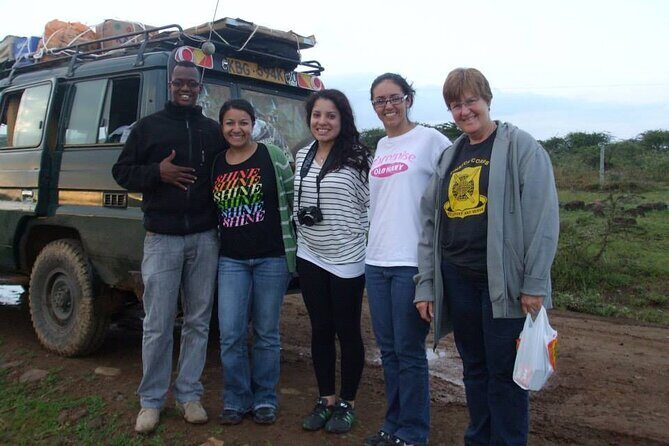
This experience keeps things simple: you’re inside Nairobi National Park for the core of the day. There’s just one main stop, but your guide can build the drive around the park’s most productive areas.
Here’s what you can expect to focus on once you enter:
- Wildlife viewing across multiple sighting zones
- Photo stops and repositioning to improve sightlines
- Scenic nature areas and picnic areas, when the moment calls for a pause
You’ll travel through the protected park in a 4×4 vehicle with an open pop roof, which is made for watching animals at eye level. From inside a closed vehicle, it can feel like you’re shooting through glass. With the roof open, you can get more natural angles—especially for giraffes, rhinos, and anything low-slung near the road.
Hippo Dam: Where Waterbrings the Drama
The Hippo dam is a standout feature in the park’s viewing mix. Dams like this concentrate life because water concentrates attention. Hippos and crocodiles are associated with the area, and even when you don’t see them instantly, you’re in the right kind of habitat for the “blink and you’ll miss it” moments.
This is also a great place for patient viewing. When animals are near water, they often show up in waves: first a flash, then a slow reveal.
Hyena Dam: A Strong Bet for Predators and Scavengers
Another named spot is the Hyena dam, tied to a hyena territory. Hyena viewing can feel like luck at first—until you understand the pattern: where there’s activity around a water source, scavengers and opportunists have an easier job.
If you’re hoping for predator action without a guaranteed kill scene, this kind of zone can deliver the “something is happening right there” feeling.

Ivory Site Burns and River Lines: Scenery With Purpose
You’ll also hear about the Ivory site burns and several rivers that shape animal movement:
- Mokoyeti River (permanent)
- seasonal rivers (which can change where animals spend time)
These features matter because wildlife follows water and the edges where it’s easiest to move and drink. Permanent rivers can be more consistent, while seasonal rivers can bring animals into focus during wetter stretches or after recent rains.
Even if you don’t see a dramatic animal parade every minute, these geographic anchors help explain why the guide can keep the drive “alive” rather than wandering.
Big Four Sights: What You Might See and What to Expect
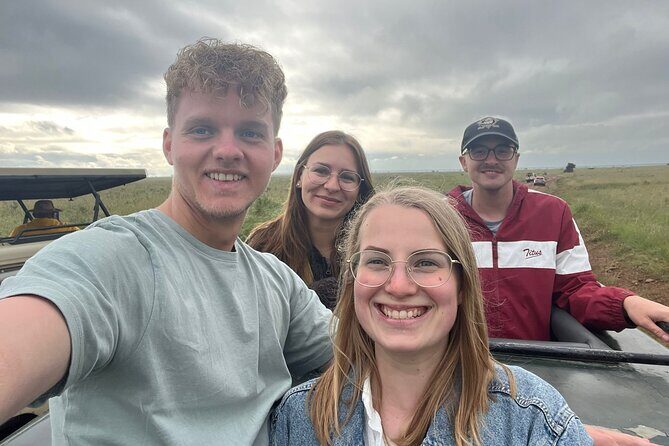
Nairobi National Park is described as having the Big Four, and that’s the headline you should use to set expectations. Still, remember safari viewing is never a vending machine. Your actual sightings depend on season, weather, time of day, and where animals feel safe.
Based on the animal types repeatedly mentioned, you should be ready for more than just the Big Four:
- Lions
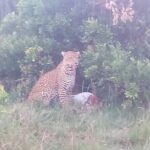
- Leopards (sometimes less frequent than lions or rhinos, but possible)
- Rhinos (many groups specifically celebrate rhino sightings)
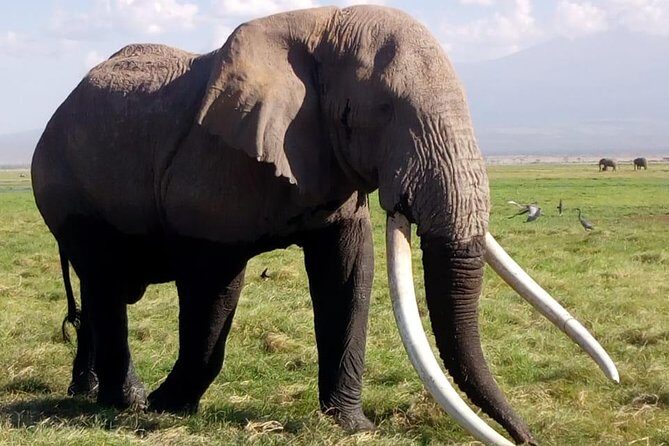
- Elephants
- Giraffes
- Gazelles and other antelope types
- Warthogs
- Crocodiles and hippos around water zones
One of the most enthusiastic comments praised watching lion hunting. That’s the kind of moment you remember for years because it’s raw behavior, not just a distant sighting. You can’t schedule it, but early starts and good guide positioning increase your odds of seeing something real.
Choosing the Best Time: Morning Views and Photo-Friendly Timing
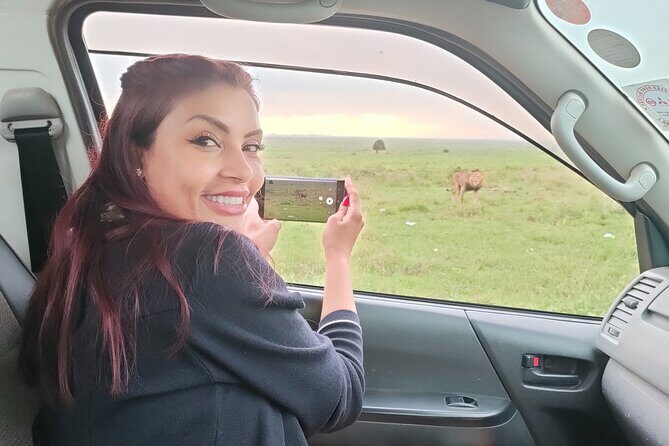
This tour works as a half-day, so timing shapes your whole experience. When people loved their drive, they often connected it to early morning light—especially that fog-over-city look and cooler conditions.
If your schedule allows, consider an early slot. You’re more likely to see:
- active animals near roads and water
- calmer conditions for photography
- that sunrise or pre-sunrise “Kenya waking up” feeling
The open pop roof also helps in the early light. When animals are close and moving, you want your camera angle to be quick and natural, not blocked by window frames.
If you’re going later in the day, you can still have an excellent drive. Just adjust your expectations toward slower behavior and longer animal stops rather than sudden action.
Guides Make the Difference: Names, Styles, and What to Watch For
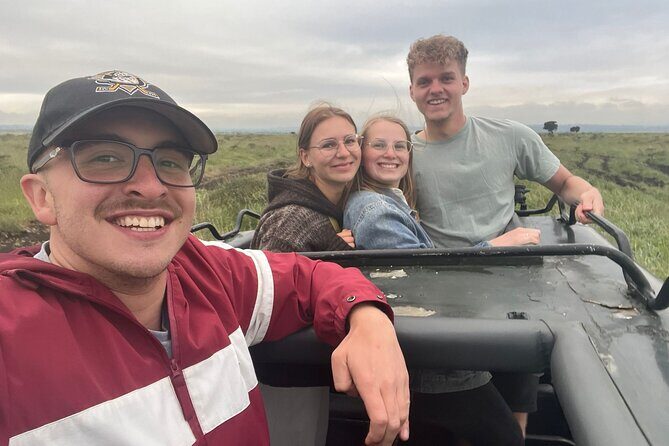
The biggest praise pattern here isn’t the vehicle—it’s the guides. The names that come up again and again include Peter, Peace, Jackson, Sugoow (also written Sugow), Yesla, Pius, and Mustafa.
Across these guides, you’ll notice the same strengths:
- They take time to stop and allow closer looks when animals appear
- They can spot wildlife from far away, which matters when animals blend into acacia and grass
- They stay respectful of the park rules and animal space
- They’re friendly and answer questions in a way that makes the drive feel personal, not rushed
If you want to get more out of your game drive, ask your guide for a simple game plan early on:
- Where are we likely to start today?
- If we miss one of the Big Four, what zone helps us most?
- Are there any river or dam areas we should prioritize?
Good guides do this naturally, but asking once helps you get the best version of their skill set.
Also, notice how your guide positions the vehicle. Even a great sighting can become a disappointing memory if the car is in the wrong spot. The guides credited for the best experiences often made lots of intentional stops and repositioned for the view.
Who Should Book This Nairobi Game Drive (and Who Might Want More)

This is a smart fit if:
- you have limited time in Nairobi
- you want safari-style wildlife without leaving the city
- you’re trying to complete your Big Five or Big Five-adjacent list before moving on
- you’d like a friendly, guided day that doesn’t swallow your whole itinerary
It can also work well for first-time safari visitors. You get the basic safari rhythm—spot, stop, look longer, take photos—without a long travel day.
You might want a longer safari option instead if:
- you’re only chasing one specific species and you need a full-day strategy
- you want a slower pace with fewer logistical constraints
- your schedule is so tight that any traffic delay could ruin your plans
Half-day tours are great tools, but they reward flexible days.
A Simple Booking Verdict: Should You Book This?
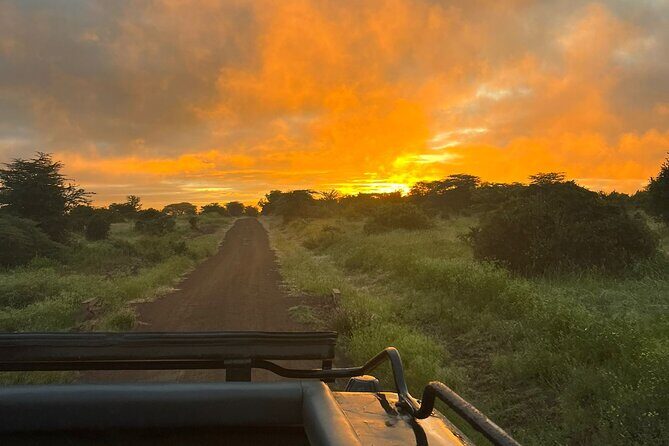
Yes, I’d book this Nairobi National Park daily game drive if your goal is wildlife in a half-day with real safari viewing. The hotel pickup, the open pop roof 4×4, and the professional guided focus on key park areas make it feel like good value for time-crunched travelers.
Just go in with two practical expectations:
- Entrance fees are extra, so budget for the park admission.
- Even with a short itinerary, traffic and gate processing can stretch the day. If you’re catching a flight or another timed activity, give yourself buffer time.
If you want a memorable Nairobi wildlife fix that doesn’t require a multi-day safari, this is a solid choice.
FAQ
How long is the Nairobi National Park daily game drive?
It runs about 4 to 6 hours.
Do I get hotel pickup and drop-off in Nairobi?
Yes. Pickup and drop-off are offered anywhere within Nairobi.
What’s included in the tour price?
You get an air-conditioned vehicle with a 4×4, a professional guide, and hotel pickup/drop-off. The highlights also mention bottled water, and the tour includes a mobile ticket.
Are the park entrance fees included?
No. The admission ticket to Nairobi National Park is not included.
Where does the tour start and end?
It starts at Nairobi National Park Safari Walk, Langata Rd, Nairobi, and ends back at that meeting point.
How many people are in a group?
The maximum group size is 16 travelers.
What’s the cancellation rule?
You can cancel for a full refund up to 24 hours in advance. If you cancel within 24 hours, it’s not refunded. Weather can also affect the experience, with an option to choose a different date or get a full refund if canceled due to poor weather.