REVIEW · NAIROBI
Karura Forest Nature Trail
Book on Viator →Operated by Safari Port · Bookable on Viator
A forest walk beats the city gym. In Karura Forest, this guided 3–5 hour outing lets you walk, jog, or bike through tree cover, river bends, and waterfall-and-cave stops; I love the marked 5-, 10-, and 15-km loops that help you set your pace, and I love the wildlife odds, including a Colobus sighting led by guide Obed. The main catch is that $90 can feel steep if you only want a short stroll, and bicycle hire costs extra.
You start at 8:00 am with hotel pickup and drop-off, and it runs as a private tour for your group. That means fewer awkward pauses and more time doing the actual forest thing.
In This Review
- Key highlights at Karura Forest
- Karura Forest Nature Trail: a Nairobi workout with real wildlife odds
- How the 8am pickup turns into 3–5 hours of forest time
- Inside Karura Forest: choosing your pace on 5, 10, and 15 km trails
- Waterfalls and caves: the route’s payoff moments
- Birdwatching in a 200-species forest: what to look for
- Walking, jogging, and cycling: which option is best for you?
- Price and value for $90 with guide, water, and transport
- Other things to do around Karura (without changing your main plan)
- Practical tips: bottles, shoes, and leashed dog rules
- Should you book the Karura Forest Nature Trail?
- FAQ
- How long is the Karura Forest Nature Trail experience?
- What time does the tour start?
- Do I get hotel pickup and drop-off?
- Is the tour private?
- What is included in the price?
- Is the admission ticket included?
- Can I rent a bicycle for this experience?
- What kinds of trails can I choose from?
- What birds might I see in Karura Forest?
- What is the cancellation policy?
Key highlights at Karura Forest
- Marked 5-, 10-, and 15-km trails so you can choose your workout level
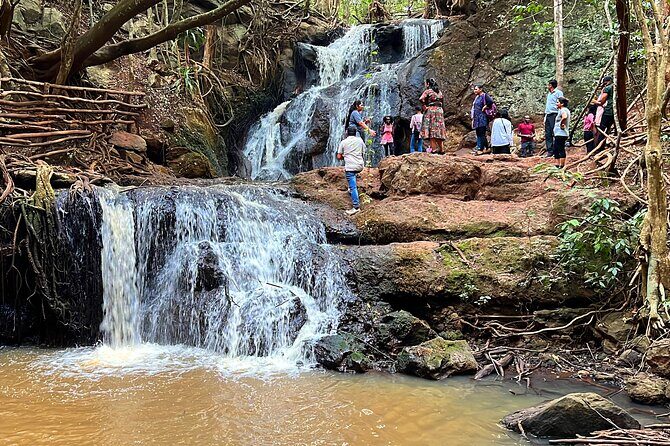
- Falls and caves as the standout scenery stops on the route
- Birdwatching for 200 species, with real targets like crowned eagles and wood owls
- Guide Obed-style spotting and explanations that make the greenery feel usable, not just pretty
- Walking, jogging, and cycling options, with bike hire available for Ksh 500
- On-site rules for dogs: leashed walking only, except in designated sign-posted areas
Karura Forest Nature Trail: a Nairobi workout with real wildlife odds
Karura Forest is one of those places where you step in and your body instantly understands the assignment: move, breathe, look around. This nature trail tour is built for fitness plus nature time, not a rushed checklist. And unlike many urban “green spaces,” Karura feels like a functioning habitat, with birds, small primates, and water features that give your walk a sense of payoff.
What I like most is that you are not limited to a single pace or style. You can walk for a relaxed circuit, jog if you want a sweat, or switch to biking if that fits your mood. The trails are marked in distances (5-, 10-, and 15-km), which is rare. It helps you avoid the guesswork of, How far are we really going?
The other big win is the wildlife potential. This area is tied to around 200 bird species, and the bird list is not just generic names. You have a chance to spot raptors like the Ayres hawk-eagle and African crowned eagle, plus birds like African wood owl and grey crested cranes. Even when you do not tick every species off your list, having a guide who knows what to look for changes the walk from sightseeing to actual birding.
One more consideration: the tour is priced at $90 per person and typically booked about 10 days in advance. That price is not “throwaway money,” so it’s smart to come prepared and treat it like a half-day with a plan—good shoes, a water bottle, and the mindset that you’re here for the forest, not just a photo break.
You can also read our reviews of more tours and experiences in Nairobi.


How the 8am pickup turns into 3–5 hours of forest time
This experience starts at 8:00 am, and you get hotel pickup plus drop-off. That matters in Nairobi, because getting to a nature area can eat time if you do it on your own. Here, you remove the logistics drag and you’re already moving when the day is still calm.
The tour duration is about 3 to 5 hours, which is a sweet spot. Long enough to feel like you did something—especially if you’re aiming for a 10 km stretch or want to combine walking with bird-watching. Short enough that you still have room for the rest of your day afterward.
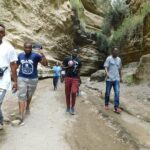
It’s also private: only your group participates. If you’re traveling as a couple, a small family, or a group of friends who want a consistent pace (and not a “everyone wait” pace), this structure helps. Your guide can adjust stops based on what you’re seeing—like waterfall views, caves, or a primate sighting.
The tour includes bottled water, plus a local guide, entrance fee (listed as included), and private transportation. That bundle is part of the value story. You’re paying for more than walking trails; you’re paying for access, interpretation, and getting there comfortably.
Inside Karura Forest: choosing your pace on 5, 10, and 15 km trails
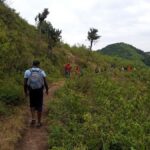
Karura Forest is the main event, and your time inside is built around moving through forest paths with a guide. The big practical benefit here is the distance markers. When a place marks 5-, 10-, and 15-km trails, you can make a real decision: Are you here for an hour-ish walk, a solid workout, or a longer route with more chances to spot wildlife?
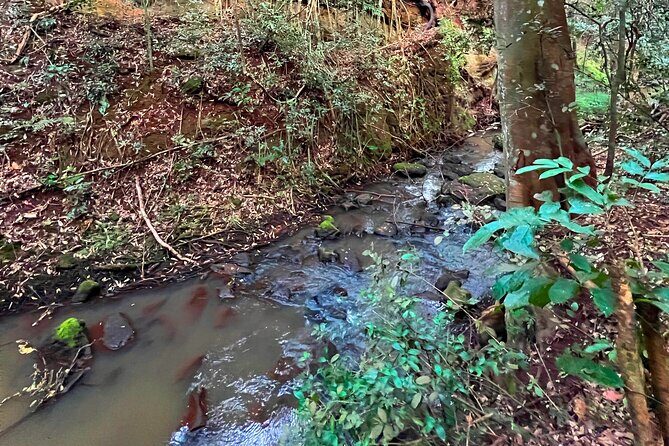
For many people, the forest is also a fitness upgrade without the boredom. Walking under shade changes how your body feels. It’s easier to keep going, and jogging feels less like punishment. And because there’s so much to look at—trees, river flow, birds, and water features—you get natural “rest moments” where you slow down to watch instead of checking your watch every five minutes.
I also like that your guide’s role is not just to point forward. A knowledgeable guide helps you read the environment: where birds tend to move, where the light can be better for seeing movement, and which parts of the route tend to deliver those signature scenery moments.
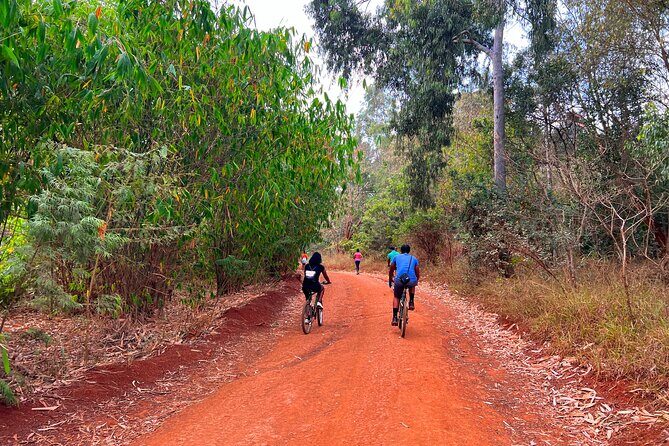
The tour description includes options like walking, jogging, and bicycle riding around the trails. If you’re trying to decide between walking and cycling, here’s the practical rule of thumb: walk if you want maximum birding time and fewer “stay with the group” interruptions. Bike if your goal is cardio and covering more trail distance with less stopping.
Waterfalls and caves: the route’s payoff moments
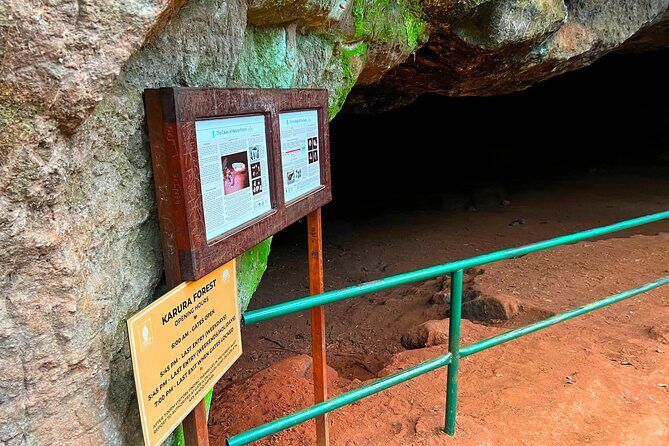
If you want your forest walk to feel worth it, you need a few peak moments. In this tour, those peaks are the waterfall and cave areas.
One strong thread from the experience feedback is that the falls and caves are the special attractions. That matches what you’ll feel on the ground: waterfalls create a natural destination, and caves add a sense of adventure and variety. They also help break up the walk into sections, so the time feels structured even if you’re going at different paces.
When you get to these stops, it’s not just about the view. It’s about the change in sound and airflow. Water areas tend to pull more animal activity and attract birds that feed or hunt nearby. Caves and rocky features can also change where you look—less wide scanning, more focused watching.
If you’re someone who usually walks in cities without much attention to detail, this part can flip your habit. You start noticing how the forest funnels movement. Even if you do not see a specific animal, you’ll likely notice signs: call patterns, flight direction, and sudden pauses in the canopy.
Birdwatching in a 200-species forest: what to look for
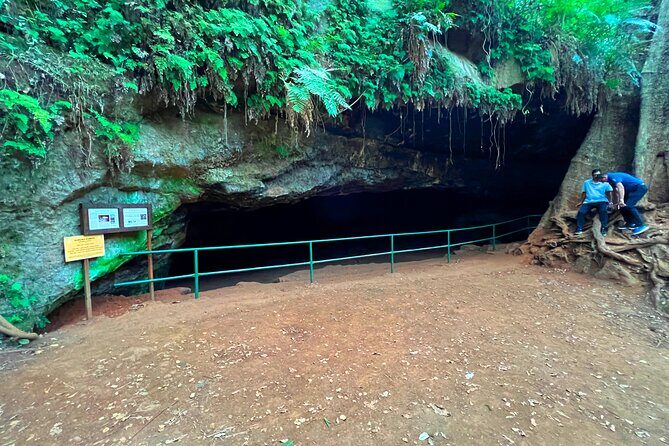
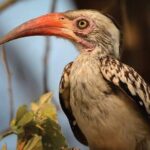
Karura Forest is serious about birds. The tour’s bird targets include Ayres hawk-eagle, African crowned eagle, African wood owl, and grey crested cranes. That list is a big hint: this is not only a birding walk for early mornings and binoculars-and-featherheads. It’s a nature trail where a guide can put your eyes in the right spots.
Here’s the honest way to think about birdwatching on a half-day walk: you’re not guaranteed every species. What you are guaranteed is that you’ll learn where to focus—like listening for calls, watching for sudden canopy movement, and using the route’s water and open areas to improve your odds.
The other value is interpretation. When a guide explains greenery and what you’re seeing, the forest stops being a blur of leaves. You start noticing why a bird might choose that spot—cover, water proximity, and food behavior. That kind of learning sticks, and it makes future nature walks easier.
If you’re traveling for birding, I’d treat this as an efficient introduction. Spend enough time here to practice seeing movement, then decide if you want to build a longer bird-focused day later in your Nairobi trip.

Walking, jogging, and cycling: which option is best for you?
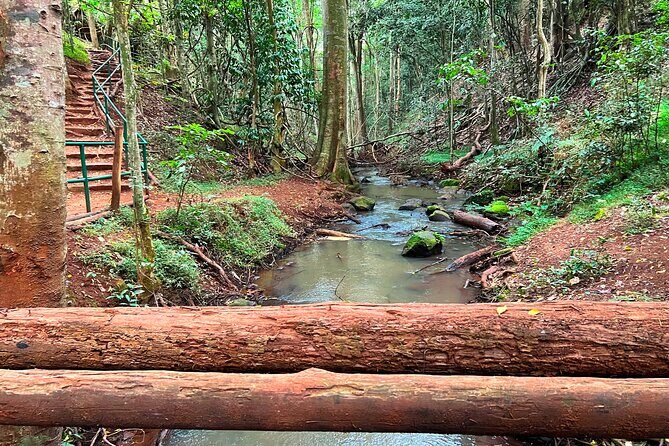
The tour fits multiple fitness goals, which is one reason people book it. Your choices are basically:
- Walking: best for slow birding and frequent stops.
- Jogging: best when you want steady movement with occasional slowdowns.
- Biking: best if you want to cover more trail and reduce time spent on slower segments.
Bicycle hire is available for Ksh 500, and it is not included in the base package. So if cycling is your plan, budget for that. Also remember that cycling can reduce the time you spend stopped for birds or cave/waterfall viewing. You can still enjoy the scenery, but your pace will shape what you notice.
My practical advice: pick the option that matches your travel style. If you’re on vacation and you want to be present, walking usually wins. If you’re in “I need exercise” mode, jogging or biking will feel more satisfying.
Also, wear shoes you trust. Forest paths can be uneven, and wet patches are possible near water features. Not glamorous advice, but it keeps your energy for the fun parts.
Price and value for $90 with guide, water, and transport
At $90 per person, this is not a cheap activity. The value comes from what’s bundled: local guide, private transportation, hotel pickup and drop-off, and entrance included, plus bottled water during the outing.
When you compare it to doing it solo, the price starts making sense. In Nairobi, getting to and from a forest area takes time and planning. You’re paying to remove that friction and to add a guide who can improve what you see and how fast you recognize what matters.
Is $90 worth it? For me, it is worth it when you:
- want a guided route through a natural area (not just random wandering),
- care about birds, caves, and waterfall stops,
- plan to use the 3 to 5 hour window fully.
If you only want a quick walk and you’re mostly after a few photos, then the cost might feel too high. The bicycle option adds cost too, so it can become pricier if you switch to cycling.
One more note on water: the experience includes bottled water, and there is a practical expectation that the forest has rules about water handling. The park can be strict about using reusable bottles, so it’s smart to bring one if you can. If you forget, you still get bottled water during the tour, but I’d rather you be prepared than surprised by rules on the ground.
Other things to do around Karura (without changing your main plan)
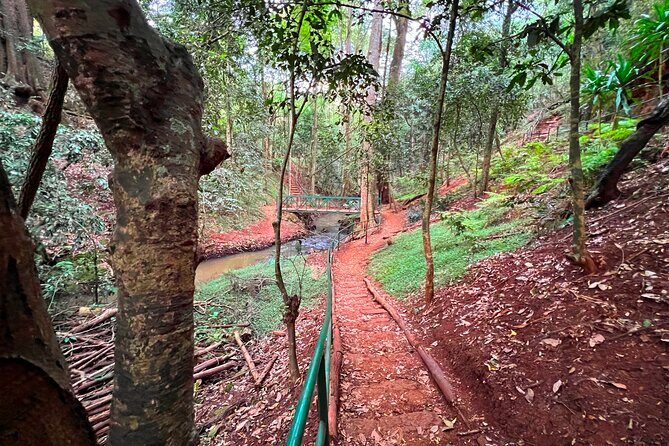
Even though this tour focuses on the nature trail, Karura is part of a broader recreation setting. The area includes options like tree planting, bird-watching in general downtime, and dog-walking where allowed on-leash outside designated sign-posted areas.
There are also event-style uses mentioned for the space, like educational tours, concerts, weddings, team-building, exhibitions, and dog-training. The point for you: Karura can handle different group needs, so the environment is not only for private nature walks.
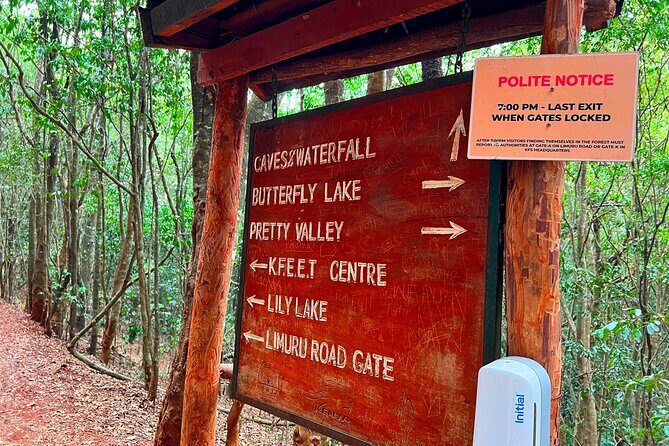
For active types, other sports are associated with the area too, including horse-riding, mountain-biking, and tennis at the KFEET Centre grounds. If you want to make a full day, it can be easier to add an extra activity nearby instead of just ending after the forest walk.
Practical tips: bottles, shoes, and leashed dog rules
Here’s how to make your day smoother:
- Bring a reusable water bottle if you can. The park can be strict about bottle rules. You still get bottled water, but reusable is the safer bet.
- Wear shoes for forest paths: grip matters more than style.
- If you’re bringing a dog, plan on on-leash walking only, except in designated sign-posted areas.
- If you care about birds and caves, keep your pace flexible. Trying to power through every minute can cost you sightings.
Also, plan for weather. Kenya’s conditions can change fast, and a forest path can get slick near water features. If you’re uncertain, stick to slower walking when the ground looks questionable.
Should you book the Karura Forest Nature Trail?
Book it if you want a Nairobi nature experience that feels active and meaningful in a half-day. I’d recommend it especially if:
- you like guided walks and want someone to help you spot birds and animals,
- you want the waterfall and cave stops rather than a random stroll,
- you’re traveling with a group that values pickup, comfort, and a private pace.
Skip it or rethink it if you only want a short, low-cost walk. At $90, you should treat it like a real activity, not filler time.
If you do book, go in with the right mindset: bring good shoes, keep an eye on the guide’s birding directions, and be ready for the day to feel a bit like an outdoor training session—except the scenery actually delivers.
FAQ
How long is the Karura Forest Nature Trail experience?
It lasts about 3 to 5 hours.
What time does the tour start?
The start time is 8:00 am.
Do I get hotel pickup and drop-off?
Yes. Hotel pickup and drop-off are included.
Is the tour private?
Yes. It is a private tour/activity, and only your group participates.
What is included in the price?
Included items are a local guide, bottled water, private transportation, entrance fee, and hotel pickup and drop-off.
Is the admission ticket included?
Entrance fee is listed as included, but you should check your confirmation for any ticket notes tied to entry.
Can I rent a bicycle for this experience?
Bicycle hire is not included, but it is available for Ksh 500.
What kinds of trails can I choose from?
The trails are marked at 5 km, 10 km, and 15 km along forest paths.
What birds might I see in Karura Forest?
The experience notes about 200 bird species, including Ayres hawk-eagle, African crowned eagle, African wood owl, and grey crested cranes.
What is the cancellation policy?
You can cancel for a full refund up to 24 hours before the experience’s start time.