REVIEW · NAIROBI
From Nairobi: Maasai village and cultural experience
Book on GetYourGuide →Operated by sahara tours and safaris · Bookable on GetYourGuide
A Maasai village day trip hits you fast. In about 5–6 hours from Nairobi, you get an authentic welcome with traditional songs, dances, and the adumu (jumping dance), plus time to walk a real homestead. I especially like the hands-on parts, like seeing how mud-thatched houses are built and watching traditional fire-making. One thing to consider: part of the experience cost is separate, since entry fees and a Maasai guide fee are not included.
You’ll leave the city for Bisil (near Kajiado) and spend the day in a community setting, not a staged stop. The English guidance is solid, and the village chief has been able to explain things clearly in English for at least some groups. Still, this is a cultural interaction, so expect it to feel more like a meeting than a theme-park—time, pacing, and access to photo moments can be more relaxed than you might expect.
Real Maasai welcome with adumu jumping dance
Walk a genuine manyatta and learn about mud-thatched homes
Traditional fire-making demonstration on site
Meet Maasai women and understand beadwork color meaning
Small groups or private options available
Air-conditioned vehicle plus bottled water included
In This Review
- From Nairobi to Bisil: the ride that sets the tone
- The Maasai welcome: songs, dances, and adumu in context
- Manyatta walk: mud-thatched homes and how life is organized
- Warrior fire-making: watching tradition made physical
- Beadwork with meaning: meeting Maasai women up close
- Price and what you’re really paying for ($50 plus fees)
- Timing, energy level, and how to prepare
- Who should book this Maasai village experience?
- Should you book it?
- FAQ
- How long is the Maasai village and cultural experience from Nairobi?
- What’s included in the tour price?
- What isn’t included?
- Do I need cash?
- Is the tour guided in English?
- What cultural activities are part of the day?
- Is it accessible for wheelchair users?
From Nairobi to Bisil: the ride that sets the tone
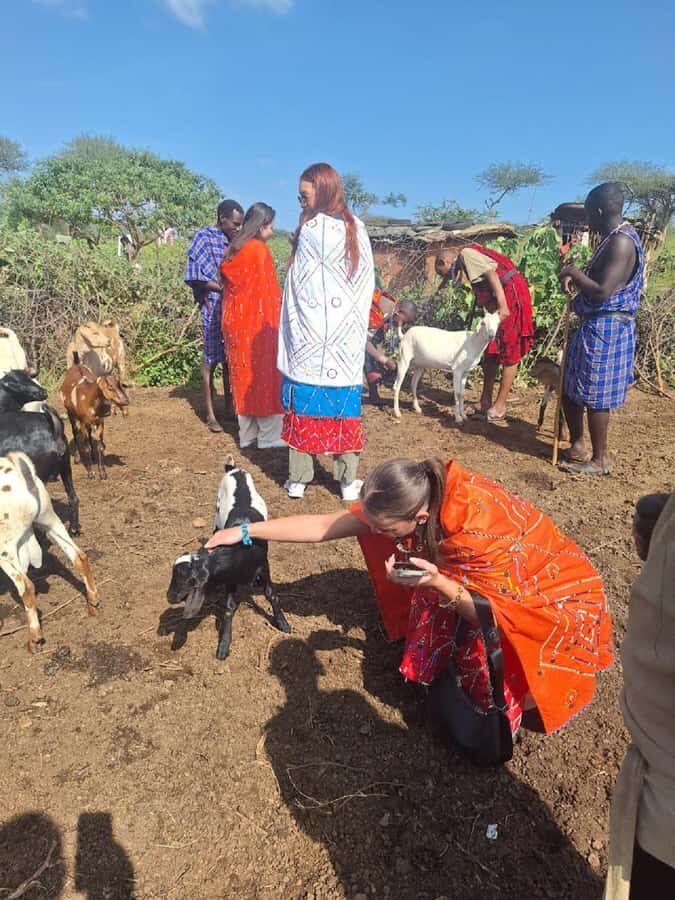
This is a straight-up Nairobi day trip. A safari guide meets you and you head out in an air-conditioned vehicle, with bottled water on board. The drive includes scenic views and an off-road stretch as you move toward Bisil, so the day starts with “leave-the-city” energy right away.
What I like about this format is that it saves you from planning a route and logistics on your own. You’re also not just dropping in for a quick photo. You’re going out with a guide who can translate what you’re seeing into something you can actually understand—why cattle and community matter so much, how daily routines connect to tradition, and what the manyatta setup means.
Keep one practical note in mind: this is only 5–6 hours total. That’s enough time to see the key moments, but it’s not enough time to slow down endlessly. If you’re the type who wants to linger at every craft table and ask endless questions, you may want a private or small group option so the pace fits you better.
The Maasai welcome: songs, dances, and adumu in context
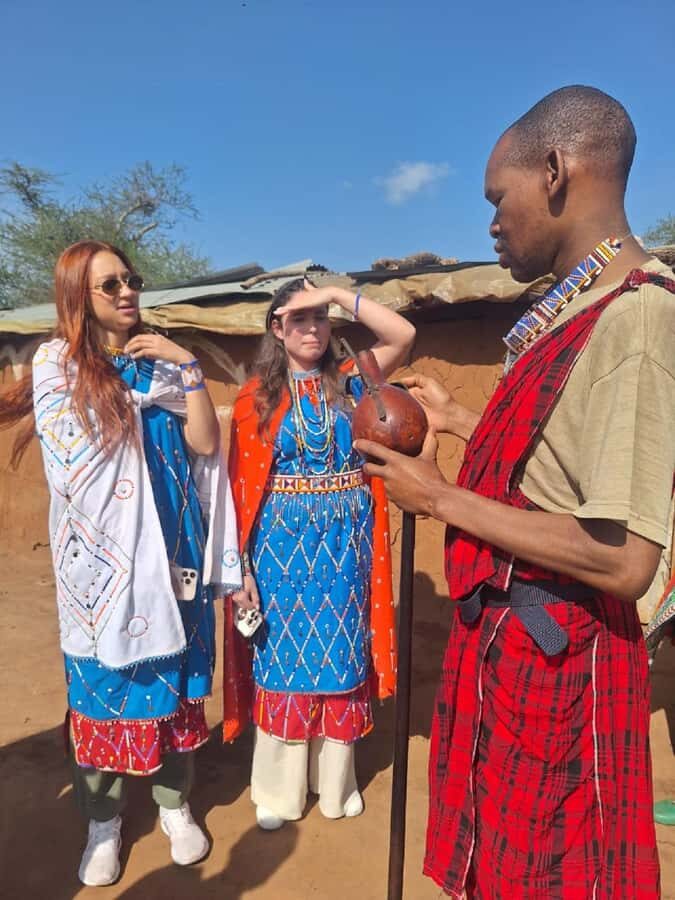
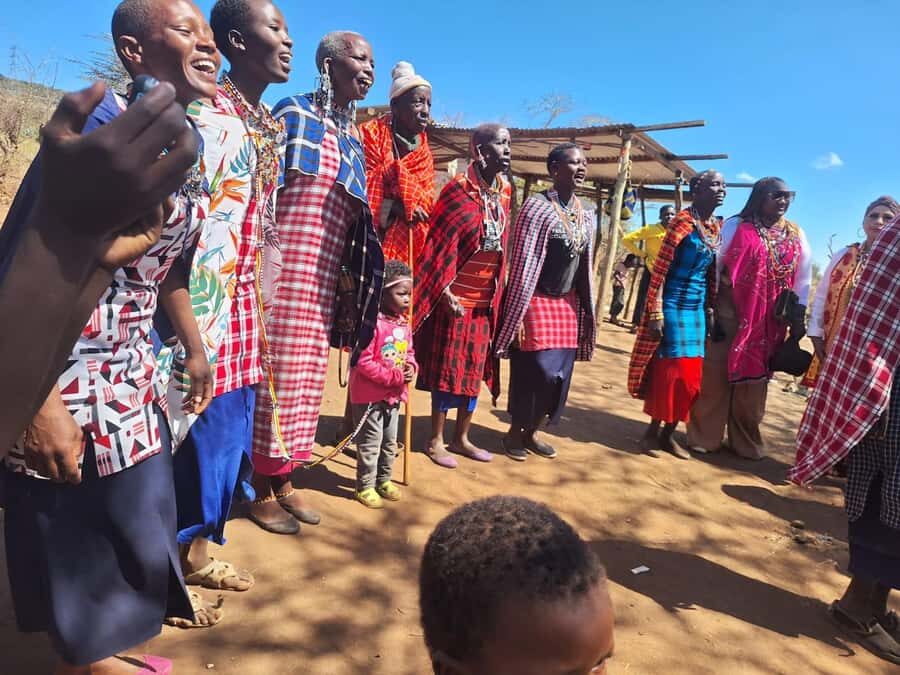
The highlight moment often comes early: a Maasai greeting with traditional songs and dances. You’re welcomed on arrival, then brought into the rhythm of the day. The adumu (jumping dance) is the headline feature here, and it’s more than performance. It’s tied to warrior tradition and community celebration, and it tends to draw attention because of the energy and focus.
This part matters because it frames everything else you’ll do. Once you’ve felt the welcome, the later walk through the homestead doesn’t feel like a random visit—it feels like the next page in the story. You’ll also notice that you’re not only watching. You’re being guided through what the movements and setting represent.
A small caution: adumu can be loud and physically intense. If you’re sensitive to noise or you don’t like crowd-style moments, position yourself thoughtfully at the edge of the activity zone. You’ll still see well, and you’ll avoid getting too close to the busiest area.
You can also read our reviews of more tours and experiences in Nairobi.



Manyatta walk: mud-thatched homes and how life is organized
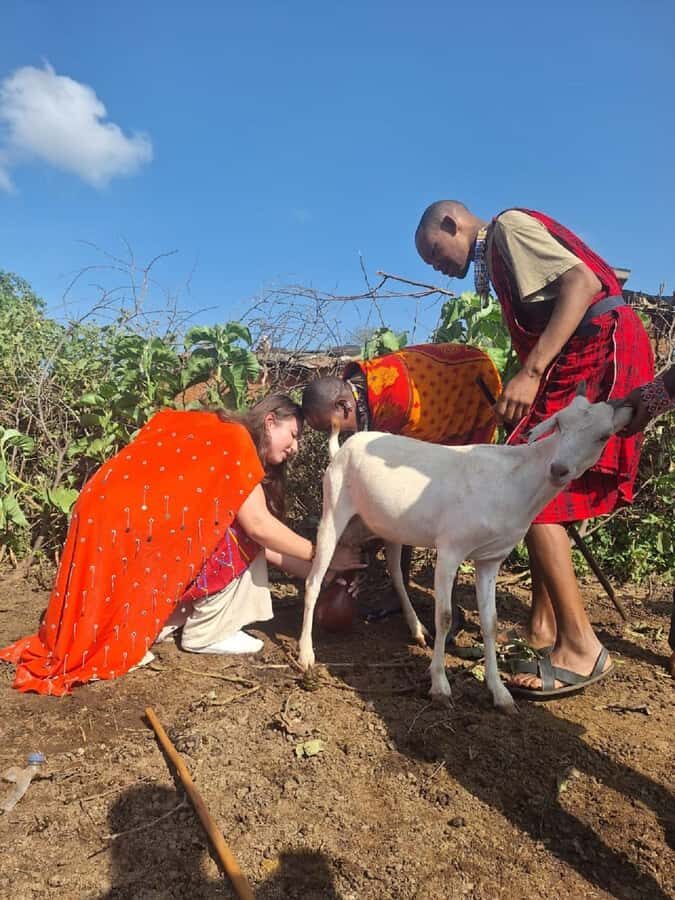
After the welcome, you get a guided walk through homesteads in a real Maasai village area (a manyatta). This is where the experience becomes grounded. You’ll learn how the houses are built, including the mud-thatched construction method, and you’ll hear stories passed down through generations.
I like that the focus here is “how it works,” not just “what it looks like.” When someone explains the structure and purpose of the home layout, you start to understand the logic behind the community rather than treating it like a set of images. And seeing materials and building style with your own eyes makes the cultural explanation stick.
There’s also a natural rhythm to the walk. You’re moving from point to point—homestead structures, everyday spaces, and conversation points—so you’re not stuck in one location. The tradeoff is that you should be comfortable doing some walking on uneven ground. Wear shoes with grip, not slick soles.
Warrior fire-making: watching tradition made physical
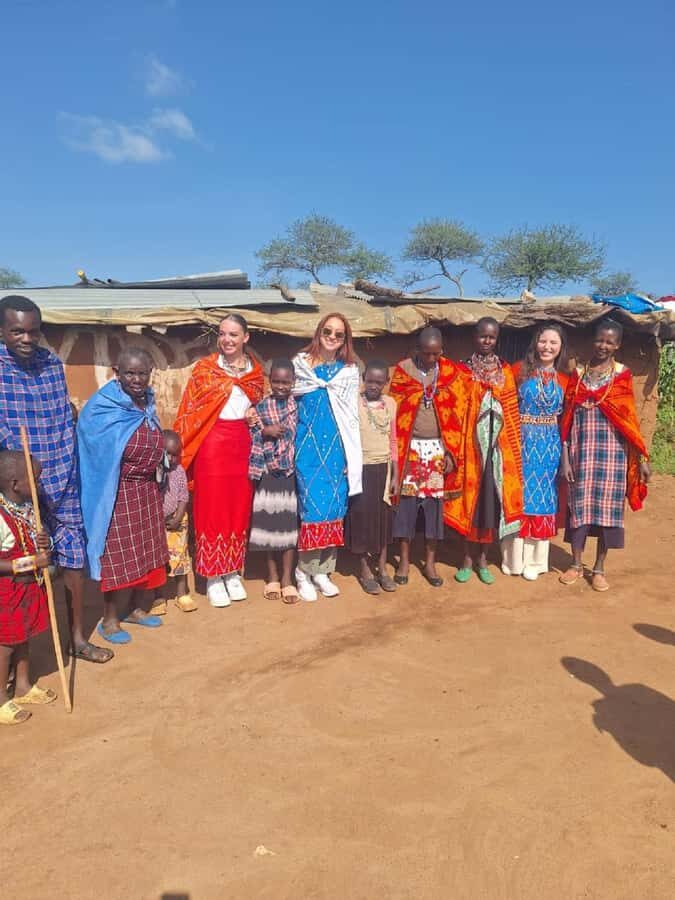
Next comes a fire-making demonstration using traditional methods. This is one of those activities that seems simple until you watch it up close and realize how much skill and knowledge it takes. A guide shows the process, and you’re also given context about the Maasai connection to cattle, nature, and community.
This part is valuable for two reasons. First, it’s visual and physical, so you learn through observation. Second, it reinforces the idea that tradition isn’t only about clothing or songs—it’s about practical knowledge that supports daily life in a rural environment.
One practical consideration: fire-making demonstrations depend on the setting and day conditions. If it’s a breezy day or the ground is damp, the demonstration might take a bit longer. Staying patient helps. You’re not there for speed; you’re there to understand method.
Beadwork with meaning: meeting Maasai women up close
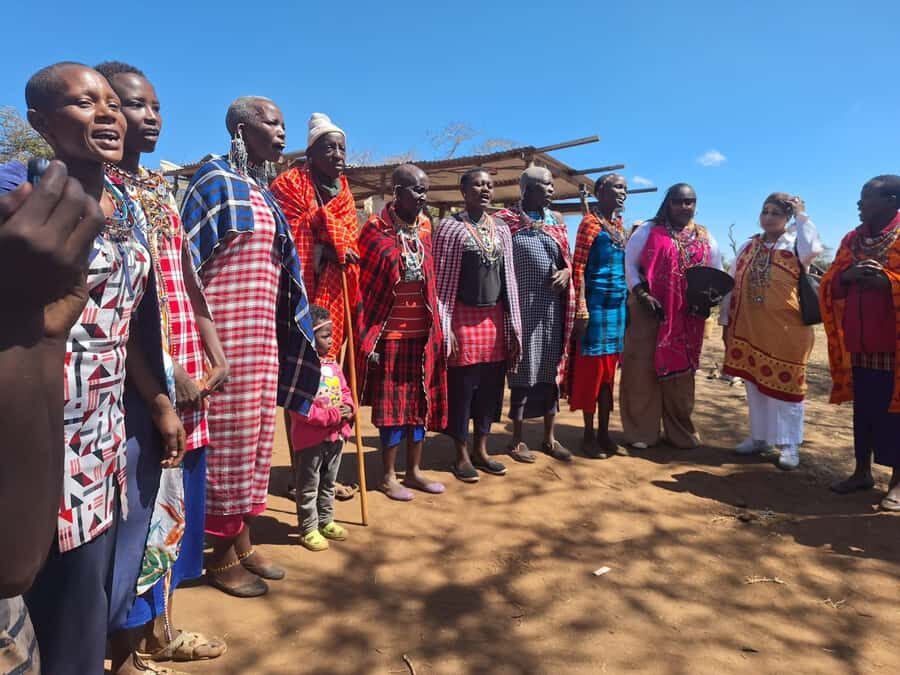
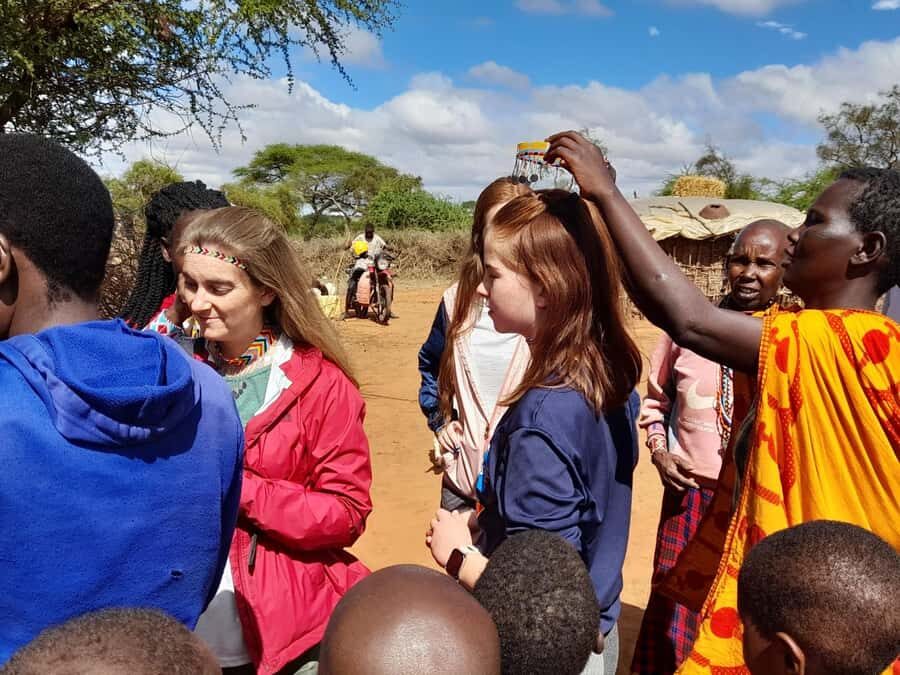
A big portion of the cultural interaction focuses on Maasai women and their handcrafted beadwork and jewelry. You’ll have time to interact, browse pieces, and hear about the symbolism behind the colors—each color tied to important identity meaning.
I really like this section because beadwork is often treated like decoration by outsiders, but here it’s presented as communication. When you understand that colors can carry identity and significance, the buying and browsing feels less like shopping for souvenirs and more like learning to read a visual language.
This is also where you’ll want to slow down. Ask questions, take your time, and treat the craftspeople like people with stories, not like vendors. If you want to purchase, bring cash and keep purchases thoughtful and fair.
And yes, you’ll likely want photos, but ask first and respect boundaries. In many cultural settings, the best way to get a good experience is also the simplest: be polite, be patient, and let conversation lead.
Price and what you’re really paying for ($50 plus fees)
The tour price is listed at $50 per person, lasting about 5–6 hours. For Nairobi, that’s a reasonable day-trip cost when you factor in transport, a guide, and the structured experience components—welcome, homestead visit, fire-making, and beadwork time. You’re also getting bottled water and an air-conditioned vehicle, which helps on a longer drive.
However, budget for one extra cost: entry fees and a Maasai guide fee of $30 per person are not included. So the all-in cost is more than the headline $50. If you’re comparing options, make sure you’re comparing the total.
Also note what’s not included. Food and drinks are not provided, and alcohol is available to purchase. That means you should plan to eat before you go or bring money for a meal during the day if there’s time.

Timing, energy level, and how to prepare
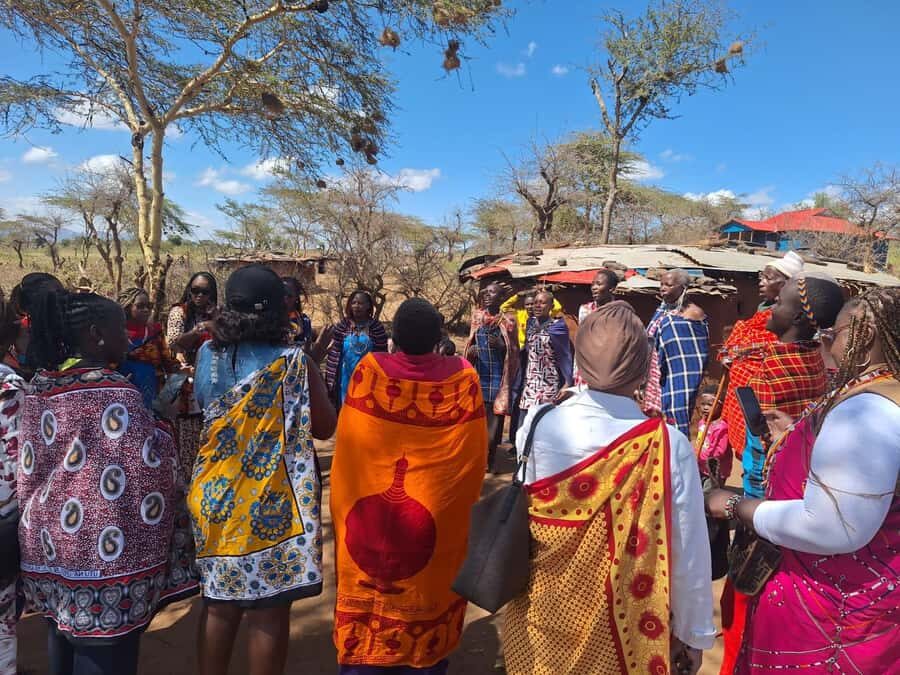
This tour runs 5–6 hours, so it’s a solid half-day commitment. You’ll be picked up from your Nairobi hotel, then spend the day in Bisil before returning to Nairobi. The overall pacing is usually a mix of driving time plus activity blocks—welcome, walk, demonstration, interaction—so you’ll stay busy without feeling rushed every minute.
To prepare well:
- Bring cash for shopping and the Maasai guide or entry-related costs.
- Wear closed-toe shoes with good traction for uneven ground during the homestead walk.
- Dress for warm daytime conditions and bring a light layer if evenings feel cooler.
- If you need snacks or a meal, plan ahead since food and drinks aren’t included.
If you’re tight on energy, this still works, because you’re not hiking long distances. But you are moving around a bit, and you’ll likely stand during the welcome and adumu segment.
Who should book this Maasai village experience?

This tour is a great match if you want a culture-first day trip. It’s best for travelers who enjoy meeting people, asking questions, and learning the meaning behind traditions—especially adumu, manyatta life, fire-making methods, and beadwork symbolism.
It’s also a good fit if you prefer a guided structure. You get an English live guide, plus local interpretation through the village chief and community members during key moments. That combination helps you make sense of what you’re seeing instead of just collecting images.
It might be less ideal if you’re expecting a polished, high-speed itinerary with lots of downtime and modern amenities. This experience is about connection and learning, and it can feel more personal than mechanical.
Should you book it?
If you want a Nairobi day trip that goes beyond sightseeing and into real community interaction, I’d say yes—especially because the day includes the full arc: welcome, manyatta walk, fire-making, and beadwork time. The value is strongest when you budget for the extra fees and keep expectations aligned with a 5–6 hour cultural visit rather than a long, slow tour.
Book it if you’re curious, respectful, and okay with cash-based shopping and a bit of walking. Skip it if you need food included and prefer a totally predictable, urban-style schedule. If you’re choosing between options, this one is worth your attention for the way it connects performance, daily life, and craft into one day.
FAQ
How long is the Maasai village and cultural experience from Nairobi?
It lasts about 5–6 hours.
What’s included in the tour price?
The tour includes a driver/guide, airport pickup, bottled water, and an air-conditioned vehicle.
What isn’t included?
Food and drinks aren’t included, and entry fees and a Maasai Guide fee of $30 per person are not included.
Do I need cash?
Yes. Cash is specifically mentioned as something to bring.
Is the tour guided in English?
Yes, the live tour guide is English.
What cultural activities are part of the day?
You can expect an authentic welcome with traditional songs and dances, the adumu (jumping dance), a guided walk through a manyatta, a fire-making demonstration, and interaction focused on Maasai women’s beadwork and jewelry.
Is it accessible for wheelchair users?
Yes, the tour is listed as wheelchair accessible.